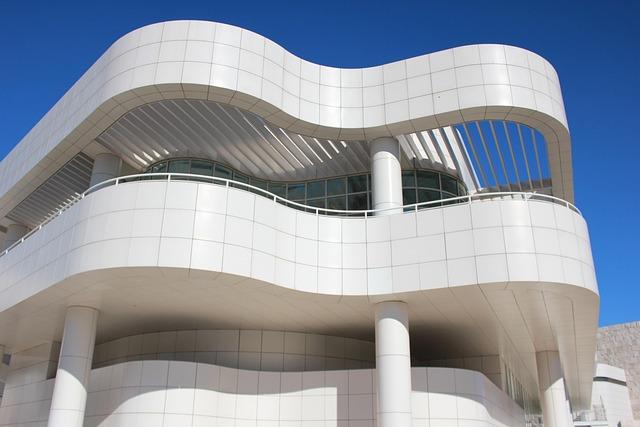
In the heart of Southern California, the sprawling metropolis of Los Angeles has long been synonymous with dreams of prosperity and opportunity. However, beneath the glitzy surface lies a harsh reality: the city’s relentless expansion has led to an unprecedented crowding crisis. As one of America’s most overcrowded regions, Los Angeles reveals a troubling narrative where the allure of the American Dream is overshadowed by deepening inequality and profound social challenges. In this investigative piece, we explore how the city’s love affair with sprawl has not only contributed to a saturation of urban space but also forced its most vulnerable residents-many living in poverty-to contend with a deadly price for a place to call home. Through personal stories and expert analysis, we delve into the implications of this growth, seeking to understand the human cost of a city that continues to expand outward while leaving its poor behind.
The Hidden Costs of Urban Sprawl: How Los Angeles’ Expansion Fuels Inequality
The relentless expansion of Los Angeles has not only altered its physical landscape but has also deepened the socioeconomic divides within the city. With the proliferation of low-density housing and sprawling developments, essential services become increasingly distant for low-income residents. They often face a lack of affordable housing options, leading to a vicious cycle of displacement and inequality. As neighborhoods gentrify, the original inhabitants are frequently pushed out, while newcomers move in, driven by the allure of lower housing costs elsewhere.
This geographic transformation has profound implications for public health and safety. The sprawling nature of L.A. necessitates a dependency on automobiles, resulting in longer commutes that disproportionately affect the city’s poorer populations. A study highlighted several critical factors exacerbating this issue:
- Limited Access to Transit: Many low-income areas are underserved by public transportation, making it challenging for residents to reach jobs and essential services.
- Environmental Hazards: Poorly planned expansion leads to more pollution and health risks, as industrial zones often encroach on residential areas.
- Increased Traffic Fatalities: Higher vehicle dependency correlates with higher accident rates, impacting the vulnerable communities the hardest.
| Cost Factor | Impact on Low-Income Residents |
|---|---|
| Housing Affordability | Rising rents push residents further from job centers. |
| Transportation Costs | Increasing expenses due to reliance on personal vehicles. |
| Healthcare Access | Limited access leads to delayed medical care and worsening health outcomes. |
Overcrowding and Environmental Impact: The Toll on Public Health in Vulnerable Communities
The sprawling landscape of Los Angeles is a paradox, where dreams of prosperity collide with the stark reality of overcrowding. As urban sprawl continues to encroach upon previously open spaces, vulnerable communities bear the brunt of this expansion. The overpopulation of certain neighborhoods leads to a multitude of public health issues, primarily affecting low-income families. Access to essential services such as healthcare, sanitation, and clean air becomes limited, exacerbating existing health disparities. Emergency services often find themselves overwhelmed, resulting in longer response times, which can prove fatal in critical situations.
The environmental ramifications of overcrowding cannot be overlooked. With increased population density comes heightened pollution and waste, which disproportionately affects marginalized groups. Studies show that residents in these communities are more likely to experience health complications due to elevated levels of airborne toxins and inadequate waste management. Additionally, the following factors play a crucial role in the rising public health crisis:
- Increased Respiratory Issues: Higher levels of air pollution have been linked to asthma and other chronic respiratory diseases.
- Poor Mental Health: Overcrowding contributes to stress, anxiety, and depression among residents.
- Inaccessible Healthcare: Limited availability of medical facilities leads to untreated health conditions.
- Food Deserts: Lack of access to nutritious food exacerbates chronic diseases like diabetes and obesity.
Addressing these challenges requires both immediate action and long-term strategies to ensure that the health of these communities is prioritized. By implementing sustainable urban planning practices and investing in public health initiatives, Los Angeles can address the consequences of its sprawl, ultimately paving the way for healthier futures.
Reimagining Urban Planning: Strategies for Sustainable Development and Inclusive Housing Solutions
Los Angeles, with its sprawling urban landscape, has become a microcosm of the challenges inherent in modern city planning. As the city grapples with an ever-increasing population, the consequences of this sprawl are starkly evident. Overcrowding has reached alarming levels, particularly in low-income neighborhoods, where residents face significant hurdles in accessing essential services such as healthcare, education, and affordable housing. According to recent reports, the gap between housing availability and demand has widened, leading to soaring rental prices that disproportionately affect the most vulnerable populations. The impact on health is equally concerning, as those living in densely populated areas contend with elevated levels of air pollution and inadequate infrastructure, which can lead to serious chronic conditions.
To counteract these issues, innovative solutions rooted in sustainability and inclusivity must be at the forefront of urban planning initiatives. City planners and policymakers are recognizing the need to implement measures that prioritize affordable housing, efficient public transportation, and green spaces. Strategies such as mixed-use developments and community-led housing projects can foster a sense of belonging while alleviating some of the pressures caused by sprawl. By actively engaging residents in the planning process, cities can create environments that not only address immediate housing needs but also promote long-term economic stability and community resilience. The future of urban development lies in a commitment to creating equitable spaces that nurture diverse populations and enhance the overall quality of life for all Angelenos.
| Key Factors | Current Situation |
|---|---|
| Housing Affordability | Soaring rent prices impacting low-income families |
| Public Health | Increased prevalence of chronic diseases due to pollution |
| Community Engagement | Need for inclusive planning processes |
| Sustainable Solutions | Focus on mixed-use developments and green spaces |
Wrapping Up
In conclusion, the sprawling expanse of Los Angeles not only reflects the city’s storied allure but also highlights the underlying issues of overcrowding and socioeconomic disparity. As the city expands outward, the struggle for affordable housing, access to essential services, and safe living conditions intensifies, disproportionately affecting the most vulnerable populations. The findings outlined in the Los Angeles Times illustrate a critical intersection of urban development and social justice, urging policymakers and community leaders to address the growing inequities. As L.A. continues to grapple with its identity amid relentless growth, it is essential to prioritize equitable solutions that safeguard the well-being of all residents, ensuring that the promise of the City of Angels is inclusive and attainable for everyone.