‘Rodents of Unusual Size’ (20 pounds!) star in a new documentary
The new documentary “Rodents of Unusual Size” looks at the nutria population plaguing Louisiana wetlands.
USA TODAY
Nutria, a large invasive rodent species, was recently discovered in the Sacramento-San Joaquin River Delta in Contra Costa County, causing concern among wildlife experts. They want residents to report their sightings so that damage to an already frail ecosystem can be mitigated.
What is a nutria?
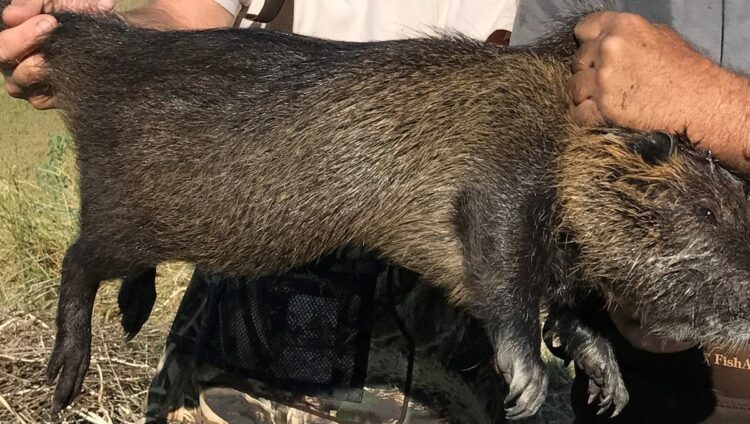
A nutria is a large, semi-aquatic rodent native that is approximately 2 feet long. Its features include a large head, short legs, and a stout body that appears hump-backed on land. Their fur is typically a dark brown, but light-colored and albino animals can also be observed.
These rodents are often easy to mistake for beavers or muskrats, but their most distinctive features include large front teeth that are yellow to orange; a heavy, rat-like tail thinly covered in bristly hairs; and noticeable white whiskers that protrude from either side of their nose.
Where did they come from?
Nutria are native to South America. They were originally brought to the United States in 1889 for the fur trade, but when the fur market collapsed in the 1940s, thousands escaped or were released into the wild.
They are considered an invasive wildlife species in the United States and have been found in at least 20 states. In 2017, a reproducing population was discovered in California’s San Joaquin Valley. Since then, they’ve been spotted in the Sacramento-San Joaquin Delta and its various islands, Suisun Marsh area (Solano County) and San Joaquin River.
Are they dangerous to people?
Nutria can impact public health. The rodents can serve as hosts for several pathogens, including tuberculosis and septicemia, which can infect people, pets, and livestock. Additionally, they can carry parasites, such as blood flukes, tapeworms, liver flukes, and a nematode, which can cause a rash called “nutria itch,” according to the United States Department of Agriculture. Many of these organisms — found in nutria feces and urine — can contaminate drinking water supplies and swimming areas.
What effects do they have on the environment?
Nutria can also have devastating effects on our ecosystem.
The California Department of Fish and Wildlife states that while they eat weeds and overabundant vegetation, they also destroy native aquatic vegetation, crops and wetland areas. Additionally, they destroy the banks of ditches, lakes, and other water bodies. Their most harmful effects are the permanent damage they can cause to marshes and other wetlands.
Nutria consume up to 25% of their body weight in above- and below-ground plant material each day, and as a result, up to 10 times the amount of plant material consumed is destroyed, causing extensive damage to the native plant community, soil structure, and nearby crops, according to the state department. That destruction results in severe erosion of soils, which may convert marsh to open water. Nutria also burrow into banks and levees, creating complex dens that span as far as 6 meters deep and 50 meters into the bank. This often causes severe streambank erosion, increased sedimentation, levee failures, and roadbed collapses.
What should I do if I spot one?
The state department urges residents to photograph and immediately report any suspected observations or potential signs of nutria to the CDFW’s Invasive Species Program online, by e-mail to [email protected], or by phone at 866-440-9530. Observations on state or federal lands should be immediately reported to local agency staff on the property.
Photos of animals should include views of the whiskers, front or hind foot, or tail. The department states that for optimal photos of tracks, include an object for size reference (e.g., pencil, quarter, wallet) and take the photo from the side, at an angle (around 45 degrees) to cast shadows into the track.
Ema Sasic covers entertainment and health in the Coachella Valley. Reach her at [email protected] or on Twitter @ema_sasic.
Source link : http://www.bing.com/news/apiclick.aspx?ref=FexRss&aid=&tid=670085137ca34f9082995f3761ee6949&url=https%3A%2F%2Fwww.recordnet.com%2Fstory%2Fnews%2F2024%2F10%2F04%2Fnutria-invasive-rodent-species-cause-concern-in-california%2F75514999007%2F&c=14357792887786329460&mkt=en-us
Author :
Publish date : 2024-10-04 08:53:00
Copyright for syndicated content belongs to the linked Source.