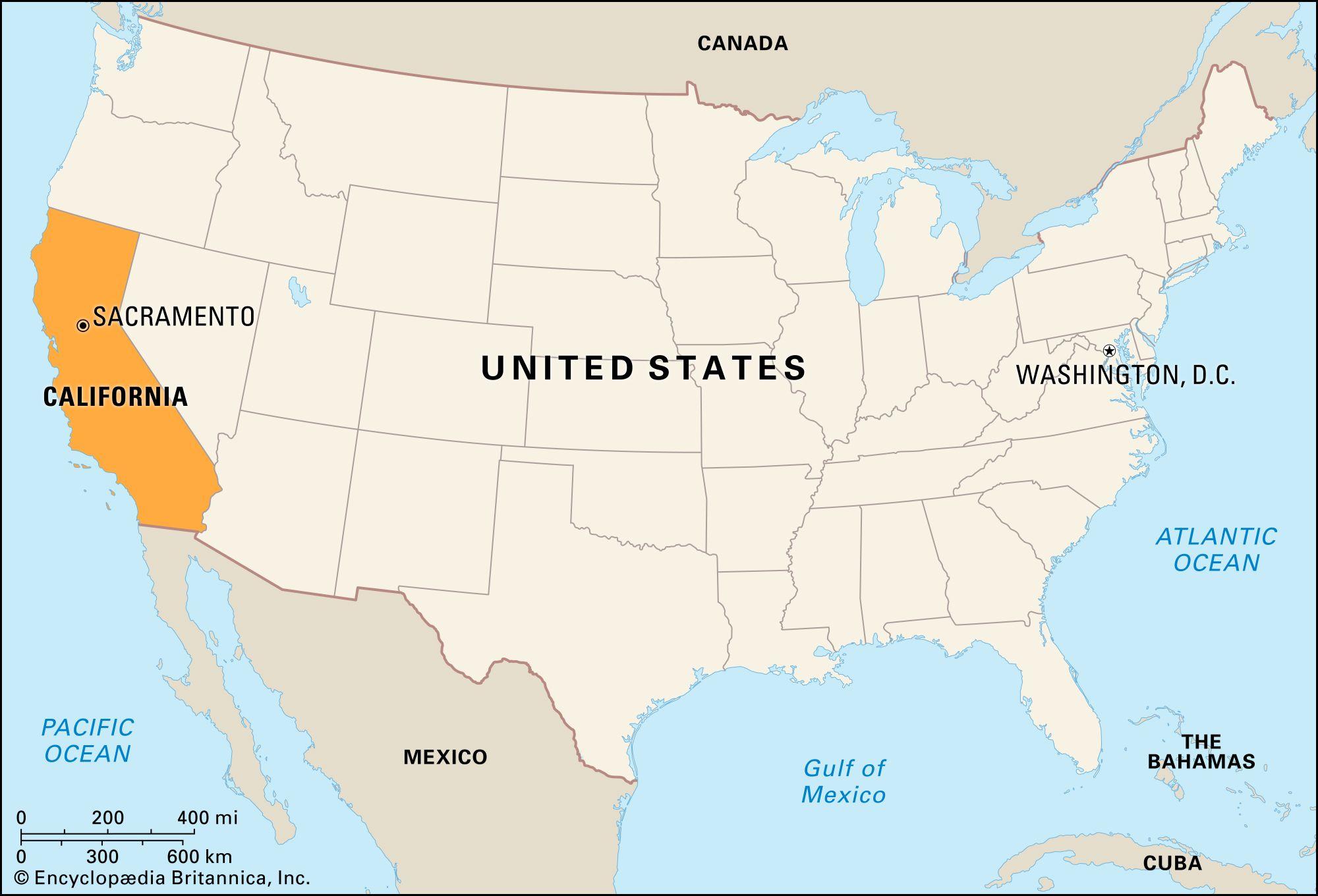
In recent years, a significant demographic shift has been observed as more Americans trade the vibrant coastal life of California for the expansive landscapes and burgeoning opportunities in Texas. This migration trend, which has accelerated in the wake of the COVID-19 pandemic, raises important questions about the underlying motivations driving individuals and families to leave the Golden State. Factors such as high living costs, housing crises, and evolving work dynamics are compelling many to seek a fresh start in the Lone Star State. In this article, we delve into the reasons behind this notable exodus and explore how it reflects broader economic and social changes across the United States.
Shifting Landscapes: Analyzing the Economic Drivers Behind the Migration from California to Texas
In recent years, a noticeable trend has emerged: a significant number of residents are leaving California for Texas, driven by a multitude of economic factors. High living costs, especially in housing, have created an exodus of families and individuals seeking more affordable alternatives. California’s soaring real estate prices, not to mention the costly taxes that accompany them, have prompted many to look for sanctuary in states where their income can stretch further. By relocating to Texas, individuals benefit from a more favorable housing market, lower taxes, and the potential for higher disposable income.
Beyond the financial allure, the job market in Texas has been expanding rapidly, attracting those seeking new career opportunities. Industries such as technology, healthcare, and energy are burgeoning, providing a plethora of options for skilled workers. Many individuals and families are making the choice to migrate in pursuit of not just lower living expenses, but also promising employment prospects. The following factors are critically influencing this demographic shift:
- Affordable Housing: Texas offers a range of housing options at a fraction of California’s prices.
- Lower Tax Burden: Texas has no state income tax, making it an appealing choice for high earners.
- Diverse Job Market: The growing economy offers jobs across multiple sectors.
| Factor | California | Texas |
|---|---|---|
| Median Home Price | $800,000 | $300,000 |
| State Income Tax | 13.3% | 0% |
| Unemployment Rate | 4.6% | 3.8% |
Cultural and Lifestyle Transformations: Understanding the Appeal of the Lone Star State
The migration from California to Texas illustrates a shifting cultural and social landscape, as many individuals seek a blend of economic opportunity and lifestyle enhancements that the Lone Star State offers. A significant draw for newcomers is the comparatively lower cost of living, which allows families to purchase more affordable housing and enjoy a higher standard of living. Moreover, Texas’s absence of a state income tax is particularly appealing for those who feel burdened by California’s tax structures. This financial incentive, coupled with robust job market growth in sectors like technology and energy, has made Texas an attractive place for professionals seeking stability and prosperity.
Beyond financial motivations, the allure of Texas’s culture and lifestyle cannot be overlooked. The state boasts a unique blend of Southern hospitality and Western ruggedness, fostering a strong sense of community among its residents. Many newcomers are lured by the promise of a more relaxed pace of life, featuring spacious suburbs, vibrant small towns, and a focus on outdoor activities. The diverse array of cultural influences-from the traditions of Mexican heritage to the roots of American cowboy culture-further enriches the Texan experience, offering residents a chance to immerse themselves in a vibrant tapestry of heritage and modernity. As more people are drawn to these appealing aspects, Texas continues to shape its identity as a state of opportunity and lifestyle transformation.
Recommendations for Future Movers: Essential Considerations for Transitioning to Texas
For those considering a move to Texas, understanding the local culture and economy is crucial. Research the job market in your field; Texas boasts a thriving economy with significant opportunities in sectors such as technology, healthcare, and energy. However, it’s equally important to be aware of the cost of living variations across different cities. Major urban areas like Austin and Dallas may have higher housing costs than smaller towns, so evaluate where you want to settle based on both employment prospects and your budget. Additionally, networking with local communities can provide valuable insights into the job market and cultural expectations.
Another key aspect to ponder is the climate and geography. Texas is known for its hot summers and diverse landscapes, from rolling hills to coastal areas. If you’re moving from a cooler climate, preparing for the heat and humidity is essential. Consider the education system if you have children; researching schools and districts can greatly affect your family’s transition. Lastly, familiarize yourself with state laws, particularly those related to taxes and property ownership, as these can differ significantly from California’s regulations. By taking these factors into account, your transition to Texas can be a smoother and more successful endeavor.
In Conclusion
In conclusion, the trend of Americans relocating from California to Texas reflects broader economic, social, and political dynamics shaping the nation. As individuals and families seek more affordable living conditions, job opportunities, and a change in lifestyle, Texas appears increasingly appealing. While the Golden State has long been a beacon for innovation and diversity, the factors driving this migratory wave cannot be overlooked. As both states continue to navigate their evolving identities, the implications of this demographic shift will likely resonate across the country for years to come. For further insights and stories on this topic, stay tuned to Voice of America.