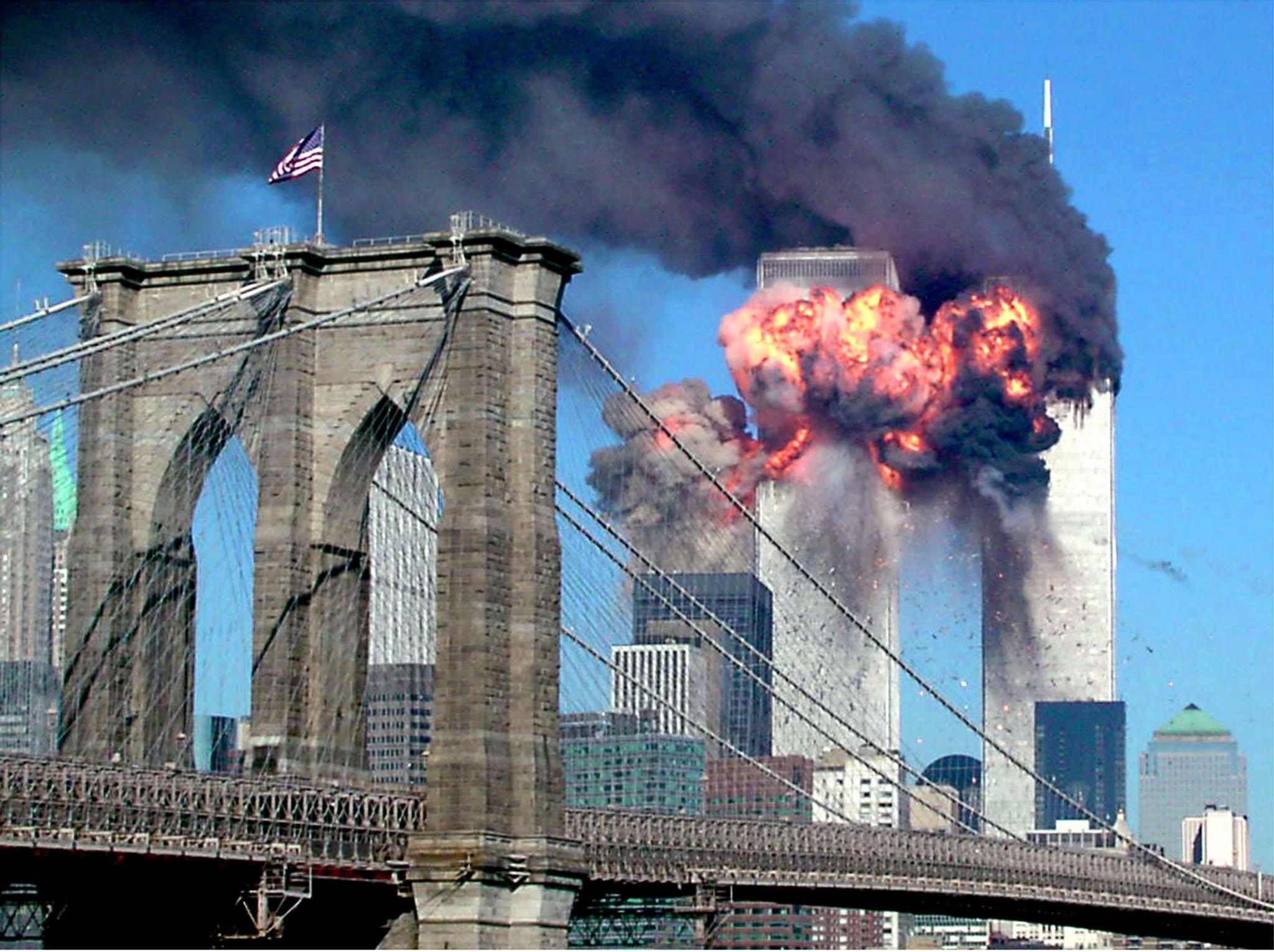
How 9/11 Changed America: A University of California Perspective
On the crisp morning of September 11, 2001, a series of unprecedented events unfolded, forever altering the trajectory of American society, politics, and culture. The coordinated terrorist attacks on the World Trade Center and the Pentagon not only claimed nearly 3,000 lives but also marked a pivotal turning point in the collective consciousness of the nation. As we approach the 22nd anniversary of this tragic day, the University of California aims to explore the far-reaching impacts that 9/11 has had on the United States. From sweeping policy changes and shifts in national security to the rise of xenophobia and the redefinition of civil liberties, the seismic shifts triggered by these events continue to influence American life in profound ways. Join us as we delve into expert analyses, personal narratives, and historical reflections that illustrate how 9/11 reshaped the framework of modern America and explore what we can learn from this pivotal moment in history.
Understanding the Impact of 9/11 on National Security Policies
The tragic events of September 11, 2001, fundamentally reshaped the landscape of national security in the United States. In response to the unprecedented attacks, the government implemented a series of robust measures aimed at safeguarding the nation. These changes manifested through various initiatives, including:
- The creation of the Department of Homeland Security, consolidating multiple agencies to streamline security efforts.
- The USA PATRIOT Act, expanding surveillance capabilities and enabling law enforcement to monitor communications more effectively.
- Increased airport security, resulting in the establishment of the Transportation Security Administration (TSA) and stricter protocols for air travel.
Additionally, the U.S. engaged in a more aggressive foreign policy, initiating the Global War on Terror, which led to military interventions in Afghanistan and Iraq. This shift not only aimed to dismantle terrorist organizations but also influenced a host of international alliances and intelligence-sharing agreements. The impact on civil liberties has been significant, with ongoing debates surrounding privacy and security becoming more pronounced. The following table summarizes the key national security policies implemented post-9/11:
| Policy | Description |
|---|---|
| USA PATRIOT Act | Enhanced surveillance and investigative powers for law enforcement |
| Homeland Security Act | Established the Department of Homeland Security |
| TSA Implementation | Created stricter security protocols for air travel |
| Military Interventions | Engagement in Afghanistan and Iraq |
The Transformation of American Society in the Aftermath of 9/11
The attacks of September 11, 2001, served as a catalyst for transformation across multiple facets of American society. In the wake of the tragedy, a palpable shift in national security policy emerged, prioritizing homeland security over previously established liberties. The implementation of the Patriot Act marked a significant expansion of government surveillance and law enforcement powers, leading to debates surrounding civil liberties and individual privacy. This atmosphere of heightened alertness instigated a collective response, where citizens increasingly supported measures aimed at preventing further attacks. Consequently, American life became tinted with an undercurrent of vigilance that affected daily activities, from increased airport security protocols to the prioritization of intelligence gathering.
Moreover, the cultural landscape evolved as public sentiment leaned towards an ethos of unity, yet also experienced a resurgence of xenophobia and Islamophobia. Communities banded together for solidarity, demonstrating resilience through memorials and commemorative events, while simultaneously increasing scrutiny and distrust towards Muslim Americans and immigrants. The evolution of media narratives also played a critical role, as coverage of the wars in Afghanistan and Iraq shaped national perception of foreign policy and military intervention. This multifaceted transformation redefined American societal values, yielding an era marked by both communal cohesion and divisive rhetoric.
Strategies for Building Resilience in a Post-9/11 America
In the wake of the September 11 attacks, America faced an unprecedented challenge that reshaped national identity and catalyzed a movement towards resilience. Communities across the nation came together to support one another, fostering a collective strength that proved vital in navigating the aftermath. Key strategies emerged, helping individuals and organizations to build a more resilient society:
- Community Engagement: Encouraging local involvement through volunteer programs and support networks strengthened social ties.
- Education and Awareness: Schools and organizations implemented curricula focused on conflict resolution and cultural sensitivity.
- Mental Health Access: Expanding resources for mental health support helped communities cope with trauma and loss.
The importance of adaptability cannot be overstated. As threats evolved, so too did strategies for maintaining security while preserving civil liberties. Highlighted below are innovative approaches that emerged in the post-9/11 landscape, designed to enhance resilience:
| Approach | Description |
|---|---|
| Public-Private Partnerships | Collaboration between government and businesses to improve infrastructure and security measures. |
| Emergency Preparedness Practices | Workshops and drills focused on readiness for various crises, from natural disasters to security threats. |
| Cultural Exchange Programs | Initiatives fostering understanding among diverse communities to build bridges and mitigate division. |
Wrapping Up
In conclusion, the September 11 attacks not only marked a tragic chapter in American history but also served as a catalyst for profound changes across the nation. From the reshaping of national security policies to the evolution of socio-political dynamics, the impact of that fateful day continues to resonate in modern America. As we reflect on the enduring legacy of 9/11, it is crucial to recognize the resilience of the American spirit in the face of adversity. The events that unfolded in the wake of the attacks demanded not only a reevaluation of our security and foreign relations but also prompted a deep and often painful examination of civil liberties and community cohesion. As the University of California dives into these complexities, it becomes clear that understanding this pivotal moment in history is essential for grasping the ongoing narrative of the United States. The lessons learned from 9/11 remain relevant, urging us to remain vigilant in our pursuit of security, justice, and unity in an ever-evolving global landscape.