
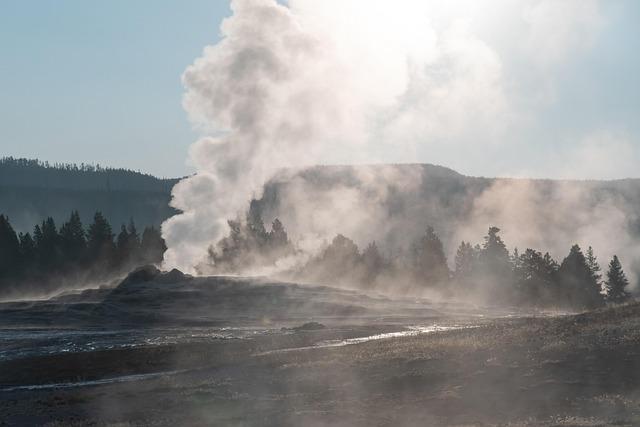
National Parks Implement ‘America-First’ Pricing Strategy, Increasing Costs for Visitors
In a move that aims to prioritize domestic tourists, the National Park Service (NPS) has announced a new pricing strategy that will affect millions of visitors to America’s treasured natural landscapes. Dubbed the “America-first” pricing model, the initiative will see significant fee hikes for entry and amenities at popular national parks, prompting concerns among advocates and visitors about accessibility and economic equity. As these changes take effect, many are left wondering how they will impact tourism, conservation efforts, and the overall experience for the millions who rely on these iconic spaces for recreation and refuge. This article delves into the specifics of the pricing adjustments, the rationale behind them, and the potential implications for the future of America’s national parks.
Rising Entrance Fees Reflect New National Park Pricing Strategy
The introduction of increased entrance fees at national parks across the United States follows a strategic shift aimed at prioritizing domestic visitors over international tourists. Under the new pricing model, visitors will notice higher charges at popular destinations as part of an initiative to enhance the quality of park facilities and services. Key highlights of this policy include:
- Heightened focus on maintenance and conservation efforts to protect natural resources.
- Additional funding for park programs, visitor education, and infrastructure upgrades.
- Implementation of tiered pricing based on peak seasons and specific park features.
Critics argue that increasing costs could limit accessibility for families and individuals with lower incomes. However, proponents maintain that the adjustments are necessary to ensure that these natural treasures receive the investment they deserve. The following table outlines the current and new entrance fees at select national parks:
| Park Name | Current Fee | New Fee |
|---|---|---|
| Yosemite National Park | $35 | $45 |
| Grand Canyon National Park | $35 | $40 |
| Zion National Park | $35 | $40 |
Impacts on Visitor Access and Conservation Funding Explored
The recent adjustments to visitor pricing at national parks have raised significant concerns regarding both access and funding for conservation efforts. Higher admission fees, aimed at prioritizing domestic visitors, could inadvertently limit access for low-income families and international tourists. Critics argue that while the intention may be to funnel revenue into essential park services, the end result could lead to fewer visitors overall, particularly during peak seasons when parks traditionally see their largest crowds. Access barriers might alienate key demographics who play a crucial role in supporting the narrative of conservation.
Moreover, the debate around these pricing changes raises critical questions about the sustainability of conservation funding. National parks are tasked with maintaining delicate ecosystems and historical sites, yet without adequate revenue, the challenges of conservation can become overwhelming. This new pricing model could mean that financial resources for necessary maintenance and preservation projects may be improved, but only at the risk of excluding a portion of the park’s valuable visitors. As park officials navigate this complex situation, the balance between visitor access and effective conservation funding remains a critical topic for ongoing discussions.
Strategies for Affordable Experiences in America’s Natural Treasures
As national parks implement new pricing strategies, travelers seeking budget-friendly adventures should explore a range of cost-effective options. Prioritizing off-peak visits can significantly reduce expenses; not only do entrance fees tend to be lower, but accommodations and local attractions may also offer discounts during these times. Additionally, consider the benefits of exploring less popular parks, which can provide equally stunning natural beauty without the hefty price tag. These locations often grant visitors the chance to experience solitude amidst nature, making for a more peaceful retreat.
To further enhance affordability, planning ahead is essential. Here are a few recommendations to ensure visitors can enjoy America’s natural treasures without breaking the bank:
- Utilize National Park Passes: An annual pass can save frequent visitors money compared to individual entry fees.
- Group Travel: Carpooling or forming groups allows travelers to split costs, making transportation more economical.
- Pack Your Own Meals: Dining within national parks can be pricey; preparing meals can help manage food expenses.
- Look for Free Public Events: Many parks host free ranger-led programs or community events that enrich the visit without additional costs.
To Conclude
As the debate over the “America-first” pricing model unfolds, the impact on visitors to national parks raises important questions about accessibility, conservation funding, and the future of these cherished landscapes. While the initiative aims to bolster revenue for park maintenance and protection, it risks alienating some of the very individuals who cherish and support these natural treasures. As stakeholders grapple with the implications of these changes, it remains essential to strike a balance that ensures national parks remain accessible to all while securing the funds necessary for their preservation. The coming months will undoubtedly bring more discourse on this topic, and how the public responds could shape the policies governing America’s vast natural heritage for years to come. For now, visitors and advocates alike will be watching closely as the implications of this pricing strategy unfold across the country’s most beloved outdoor spaces.









