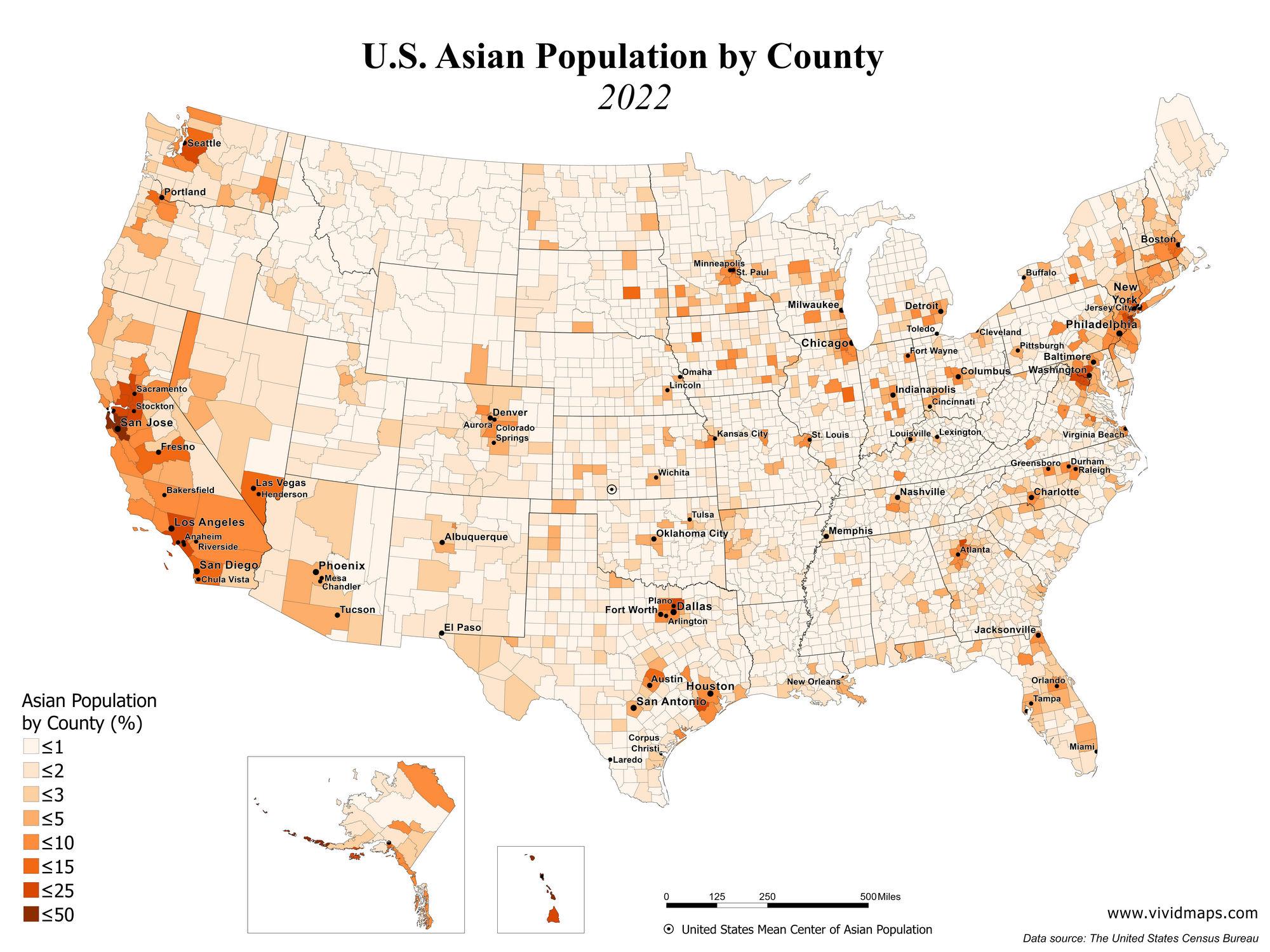
As the demographic landscape of the United States continues to evolve, Asian Americans represent one of the fastest-growing segments of the population. According to recent findings from the Pew Research Center, this diverse group encompasses a wide array of cultures, ethnicities, and experiences that significantly contribute to the nation’s social fabric. In this article, we delve into key facts and statistics that illuminate the unique challenges and triumphs faced by Asians in the U.S., shedding light on their role in shaping the economic, educational, and cultural dimensions of American life. From population growth trends to socioeconomic status, the insights provided by Pew Research offer a comprehensive overview of a community that is both influential and often underrepresented in mainstream narratives.
Understanding the Demographics and Growth of the Asian American Population
The Asian American population has seen remarkable growth in recent years, contributing to the country’s increasingly diverse demographic landscape. From 2000 to 2020, the Asian American community expanded significantly, with a growth rate of approximately 81%. This surge can be attributed to a combination of immigration patterns, higher birth rates, and the increasing visibility of Asian Americans in various sectors of society, including education, technology, and politics. Key groups within this demographic include individuals of Chinese, Indian, Filipino, Vietnamese, and Korean descent, each bringing unique cultural influences and experiences that enrich the national tapestry.
According to the latest data from the Pew Research Center, Asian Americans now make up about 6% of the total U.S. population, with a considerable concentration in urban areas. Major states like California, New York, and Texas host large Asian American communities, contributing to vibrant cultural enclaves. A deeper analysis reveals that 70% of Asian Americans are foreign-born, illustrating the essential role immigration plays in this group’s demographic composition. As Asian Americans continue to rise in socioeconomic status and political representation, understanding their growth and diversifying needs becomes critical for policymakers and community leaders alike.
| Population Group | Percentage of Asian Americans |
|---|---|
| Chinese | 24% |
| Indian | 20% |
| Filipino | 19% |
| Vietnamese | 10% |
| Korean | 9% |
Cultural Contributions and Economic Impact of Asians in the United States
The Asian American community plays a pivotal role in shaping the cultural landscape of the United States. From cuisine to arts, the influences are profound and widespread. Some notable contributions include:
- Culinary Diversity: Popular dishes such as sushi, pho, and dim sum have been embraced and integrated into mainstream American cuisine.
- Artistic Innovation: Asian American artists and filmmakers are breaking barriers and garnering critical acclaim, contributing to genres such as literature, cinema, and music.
- Festivals and Celebrations: Events like Lunar New Year and Diwali have found significant recognition, enriching the American cultural calendar.
Economically, the impact of Asians in the U.S. is equally significant. A report by the Asian American Federation highlights that Asian Americans contribute to around $1 trillion in economic output annually. Additionally, Asian-owned businesses have been on the rise, creating jobs and fostering innovation. The following table illustrates key statistics:
| Statistic | Value |
|---|---|
| Total Asian-Owned Businesses | 1.9 million |
| Growth Rate (2017-2022) | 24% |
| Employment Provided | 3 million jobs |
These figures underscore the significant role that the Asian community plays not only in enriching the cultural fabric of the nation but also in bolstering the economy and fostering growth across various sectors.
Addressing Challenges and Opportunities for Asian Communities in America
The Asian American community is a tapestry woven from diverse cultures, languages, and histories, comprising over 22 million individuals. Within this group, there are significant disparities in socioeconomic status and educational attainment. For instance, while some subgroups such as Indian Americans boast the highest median household income among all racial and ethnic groups, others, like Hmong and Cambodian Americans, continue to face significant economic challenges. These differences highlight the necessity for tailored policy interventions and community support systems that acknowledge the unique circumstances each subgroup faces.
Opportunities for the Asian community in America are also on the rise, particularly in the realms of business and technology. Asian entrepreneurs are playing a crucial role in the nation’s economy, with many establishing successful startups and contributing to innovation. Furthermore, representation in various sectors, including government and academia, is increasingly improving. However, it remains essential to combat the stereotypes and biases that persist, particularly in light of the challenges posed by the COVID-19 pandemic, which has exacerbated anti-Asian sentiment. By fostering civic engagement and promoting educational initiatives, the Asian American community can harness its strengths to confront these obstacles head-on.
| Aspect | Statistic |
|---|---|
| Median Household Income | $93,000 (Indian Americans) |
| Poverty Rate | 20% (Hmong Americans) |
| Entrepreneurship Rate | 25% (Asian Americans) |
| Population Growth (2010-2020) | 35% |
Wrapping Up
In conclusion, the landscape of Asian Americans in the United States is marked by diversity and dynamic growth. As highlighted by the Pew Research Center’s findings, Asian populations are contributing significantly to the nation’s social, cultural, and economic fabric. With varying experiences influenced by ethnicity, immigration status, and generational differences, the Asian American community showcases a rich tapestry of narratives that challenge stereotypes and foster understanding. As demographics continue to shift, it will be imperative to pay close attention to the issues and achievements within this vibrant community. Continued research and awareness will not only inform policy decisions but also enhance the broader discourse on race and identity in the United States. As we move forward, embracing this diversity will be crucial in shaping an inclusive future for all Americans.