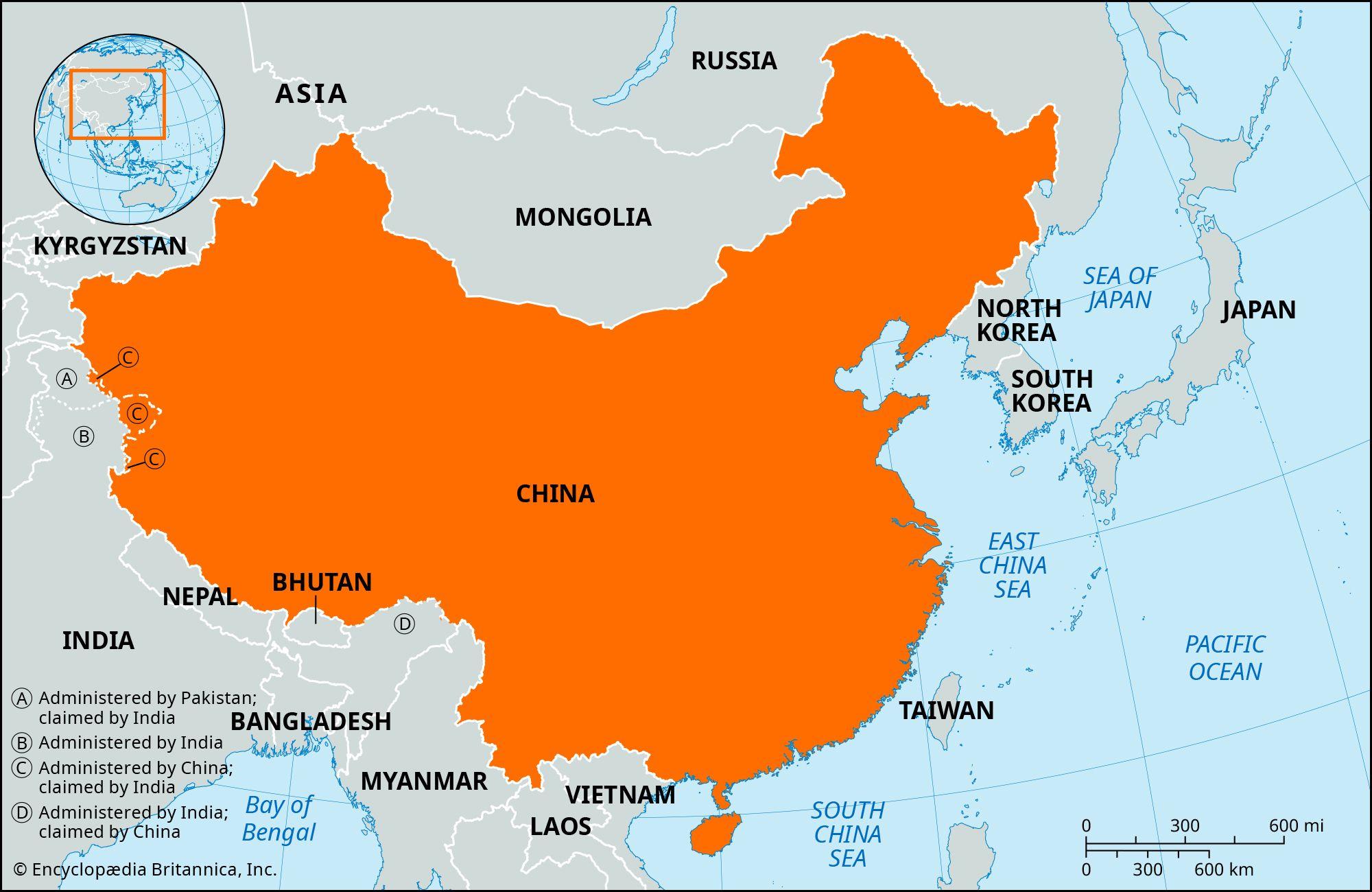
In a significant shift in global agricultural trade dynamics, China has reportedly reduced its purchases of U.S. soybeans, a move that could have far-reaching implications for American farmers and the agricultural sector as a whole. The American Farm Bureau Federation has highlighted this development as part of a complex interplay of economic and political factors that are influencing China’s importing strategies. As the world’s largest consumer of soybeans, China’s decisions directly impact U.S. farmers who have relied heavily on this lucrative export market. With trade tensions continuing to simmer and domestic agricultural policies evolving, stakeholders are closely monitoring how these changes will affect prices, supply chains, and the broader agricultural landscape in the United States.
China’s Shift in Soybean Procurement Signals New Challenges for U.S. Farmers
Recent shifts in China’s soybean purchasing strategy have raised significant concerns among U.S. farmers, who have long relied on the Asian superpower as a major market for their crops. As China diversifies its sources, seeking to reduce dependency on U.S. agricultural products, farmers are facing a landscape marked by uncertainty. This change is influenced by various factors including:
- Domestic Production Improvements: China has bolstered its domestic soybean production, aiming to become self-sufficient.
- Alternative Suppliers: Brazil and Argentina have emerged as formidable competitors, attracting Chinese buyers with competitive pricing.
- Geopolitical Tensions: Ongoing trade tensions between the U.S. and China have led to a cautious approach from Chinese importers.
The ramifications of these developments are significant, prompting U.S. farmers to rethink their strategies and adapt to a potentially shrinking market. Expanding their operations and exploring new markets is becoming essential for survival. Recent data illustrating U.S. soybean export trends highlight this challenge:
| Year | U.S. Soybean Exports to China (in million bushels) |
|---|---|
| 2020 | 1,500 |
| 2021 | 1,100 |
| 2022 | 900 |
| 2023 | Projected: 700 |
As the data indicates, there has been a steady decline in exports, underscoring the urgency for farmers to innovate and seek alternatives. Engaging with new international markets and enhancing local production capabilities will be vital as the global agricultural landscape undergoes this transformative phase.
Impact on Global Markets Amidst Heightened Trade Tensions
As China withdraws from purchasing U.S. soybeans, the repercussions on global markets are becoming increasingly evident. Analysts predict a ripple effect that could undermine trade relationships and exacerbate existing tensions. The decision from the world’s largest soybean importer to look elsewhere for supply not only signifies a shift in agricultural trade dynamics but also raises concerns over the stability of commodity prices globally. The immediate response has been a decline in soybean futures, leaving U.S. farmers grappling with uncertainty regarding their exports and revenue streams.
The instability in the agricultural market due to these trade tensions might result in several notable consequences, including:
- Increased volatility in global commodity prices
- Potential shifts in supply chains as countries seek alternative sources
- A reevaluation of agricultural policies among U.S. and global farmers
Given these developments, stakeholders are keenly observing how both governments and market participants will respond. Trade negotiations could take center stage, with the U.S. aiming to regain its foothold in the Chinese market, while China evaluates its reliance on American agricultural products. The stakes are high, not just for the farmers but for the broader economic landscape dependent on agricultural exports. Below is a summary of potential shifts in trade volumes:
| Exporting Country | Current Soybean Export Volume | Projected Increase |
|---|---|---|
| United States | 50 million tons | ↓ 15% due to Chinese withdrawal |
| Brazil | 45 million tons | ↑ 20% as China reallocates imports |
| Argentina | 30 million tons | ↑ 10% capitalizing on altered trade flows |
Strategic Recommendations for American Farmers Facing Evolving Trade Policies
As American farmers grapple with the shifting landscape of trade policies, they must adopt proactive strategies to safeguard their interests and sustain their operations. One recommendation is to diversify export markets. By seeking opportunities beyond traditional partners, farmers can buffer themselves against market volatility and new tariffs. This approach includes exploring emerging markets in Southeast Asia and Africa that exhibit growing demand for agricultural products. Additionally, it’s crucial for farmers to engage with trade associations and industry stakeholders to stay informed about changes and leverage collective negotiation power.
Another critical strategy is investing in technology and sustainable practices to enhance productivity and reduce costs. As global competition increases, adapting to innovative agricultural techniques such as precision farming and crop rotation can lead to higher yields and more resilient crops. Farmers should also consider forming cooperatives to pool resources for sustainable investments, which can lead to economies of scale and improved bargaining power. Lastly, establishing clear communication channels with policymakers can ensure that the voices of farmers are heard in discussions about trade agreements, allowing for a more favorable environment in which they can operate.
In Conclusion
In summary, the recent decision by China to step back from purchasing U.S. soybeans marks a significant shift in agricultural trade dynamics that could have far-reaching implications for American farmers and the broader agricultural market. As the world’s largest consumer of soybeans reassesses its sourcing strategies, U.S. producers find themselves grappling with increased competition and market volatility. The trends outlined by the American Farm Bureau Federation underscore the need for farmers to adapt to changing global circumstances while advocating for favorable trade policies. Looking ahead, the agricultural community will be closely monitoring the developments in this evolving landscape, as the stakes for U.S. farmers-and the economy as a whole-could not be higher. The coming months will be crucial in determining the future of U.S.-China agricultural relations and the overall health of the American soybean industry.