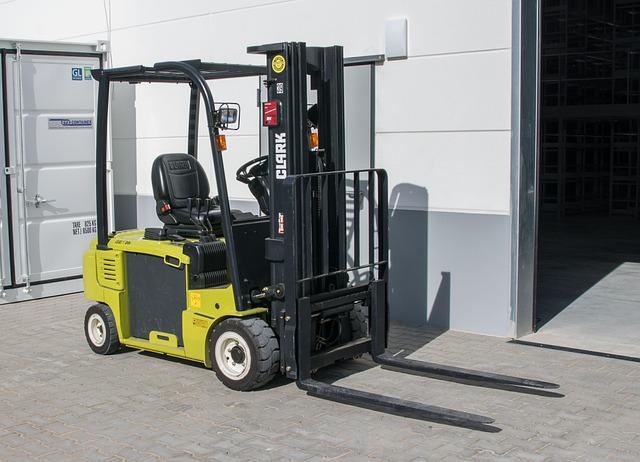
In a significant development highlighting the complexities of global trade and manufacturing ethics, multiple Colorado companies have come under scrutiny for allegedly mislabeling Chinese-manufactured forklifts as “Made in America.” According to a report by KRDO, the charges reflect a growing concern regarding transparency in product origins, as consumers increasingly demand accountability and authenticity from domestic brands. This situation not only raises questions about the integrity of sourcing practices but also underscores the broader implications for businesses navigating the delicate balance between cost-efficiency and ethical marketing. As these allegations unfold, industry experts and watchdog organizations are calling for stricter regulations to ensure that consumers can trust the labels on the products they purchase.
Colorado Firms Face Legal Scrutiny Over Misleading Forklift Marketing
In a troubling development for the Colorado manufacturing sector, a number of companies have found themselves under investigation for allegedly marketing Chinese-manufactured forklifts as “Made in America.” This has sparked outrage among consumers and competitors alike, with accusations of deceptive advertising and unfair trade practices coming to the forefront. The companies involved are believed to have misled customers regarding the origin of their products, raising concerns about consumer trust and the integrity of local businesses. Regulators aim to scrutinize these marketing claims to ensure compliance with federal truth-in-advertising laws.
The alleged misrepresentation encompasses various aspects of the forklifts’ specifications and manufacturing origins. Key points of contention include:
- Product labels: Many forklifts carried stickers claiming they were assembled in the U.S., even when components were sourced overseas.
- Advertising campaigns: Promotional materials featured American imagery and language suggesting domestic manufacturing.
- Consumer reports: Complaints from buyers and businesses have triggered deeper investigations, highlighting gaps in transparency.
As the investigation unfolds, affected companies could face significant penalties, including hefty fines and mandated changes to their marketing practices. The outcome of this legal scrutiny will not only impact the involved businesses but could also set a precedent for how other firms present their products in a highly competitive industry.
Investigating the Impacts of Deceptive Manufacturing Claims in American Industry
In a shocking revelation that raises serious concerns about the integrity of manufacturing claims, several Colorado companies have been charged with misleading consumers by marketing Chinese-made forklifts as “Made in America.” This misrepresentation not only compromises consumer trust but also undermines American manufacturers who genuinely adhere to strict standards of quality and authenticity. The allegations signal a need for increased scrutiny and accountability within the industry, especially as more businesses embrace global supply chains while claiming domestic origins.
The implications of such deceptive practices extend beyond legal penalties. Key impacts include:
- Erosion of consumer confidence: Customers expect transparency regarding the products they buy, and misleading claims can lead to disillusionment.
- Harm to legitimate manufacturers: Domestic companies that produce authentic American-made products may suffer financial losses as consumers opt for cheaper, falsely marketed alternatives.
- Regulatory repercussions: This case is likely to encourage stricter regulations and increased oversight to protect consumers and uphold industry standards.
To illustrate the disparities in claims versus reality, the following table summarizes the allegations against the Colorado companies:
| Company Name | Claimed Manufacturing Origin | Actual Manufacturing Origin |
|---|---|---|
| Company A | USA | China |
| Company B | Made in America | China |
| Company C | American Crafted | China |
Strategies for Enhancing Transparency and Integrity in Product Sourcing
The recent charges against Colorado companies for misrepresenting Chinese-manufactured forklifts as ‘Made in America’ highlight a critical need for businesses to bolster transparency and uphold integrity in their product sourcing practices. To safeguard both consumer trust and reputational standing, organizations should implement robust strategies that ensure clear and honest communication about product origins. Key measures include:
- Supplier Audit Protocols: Regularly auditing suppliers to confirm adherence to ethical standards and verifying the authenticity of product claims.
- Traceability Systems: Utilizing technology to track products from source to sale, enabling better accountability and verification of sourcing practices.
- Transparent Labeling: Providing clear labeling that accurately reflects a product’s origin, materials, and manufacturing processes to inform consumers accurately.
Another essential aspect of enhancing transparency involves engaging with stakeholders and consumers in a meaningful way. This can be achieved through:
- Consumer Education Initiatives: Informing customers about the significance of sourcing integrity and the implications of misleading product claims.
- Partnerships with Third-Party Verifiers: Collaborating with independent organizations to validate claims and promote a culture of transparency within the supply chain.
- Feedback Mechanisms: Establishing channels for consumers to report discrepancies and share their concerns regarding product authenticity.
Concluding Remarks
In conclusion, the allegations against Colorado companies selling Chinese-manufactured forklifts as “Made in America” raise significant concerns about transparency and consumer trust in the marketplace. As regulatory scrutiny intensifies, it remains crucial for both businesses and consumers to uphold ethical practices and standards. This case not only highlights the complexities of global manufacturing but also serves as a reminder of the importance of clear and honest labeling in an increasingly interconnected economy. Moving forward, the outcome of this investigation may well shape the future landscape of manufacturing and marketing in the United States. As developments unfold, stakeholders will be keenly observing how this issue impacts both the reputations of those involved and the broader implications for American manufacturing.