
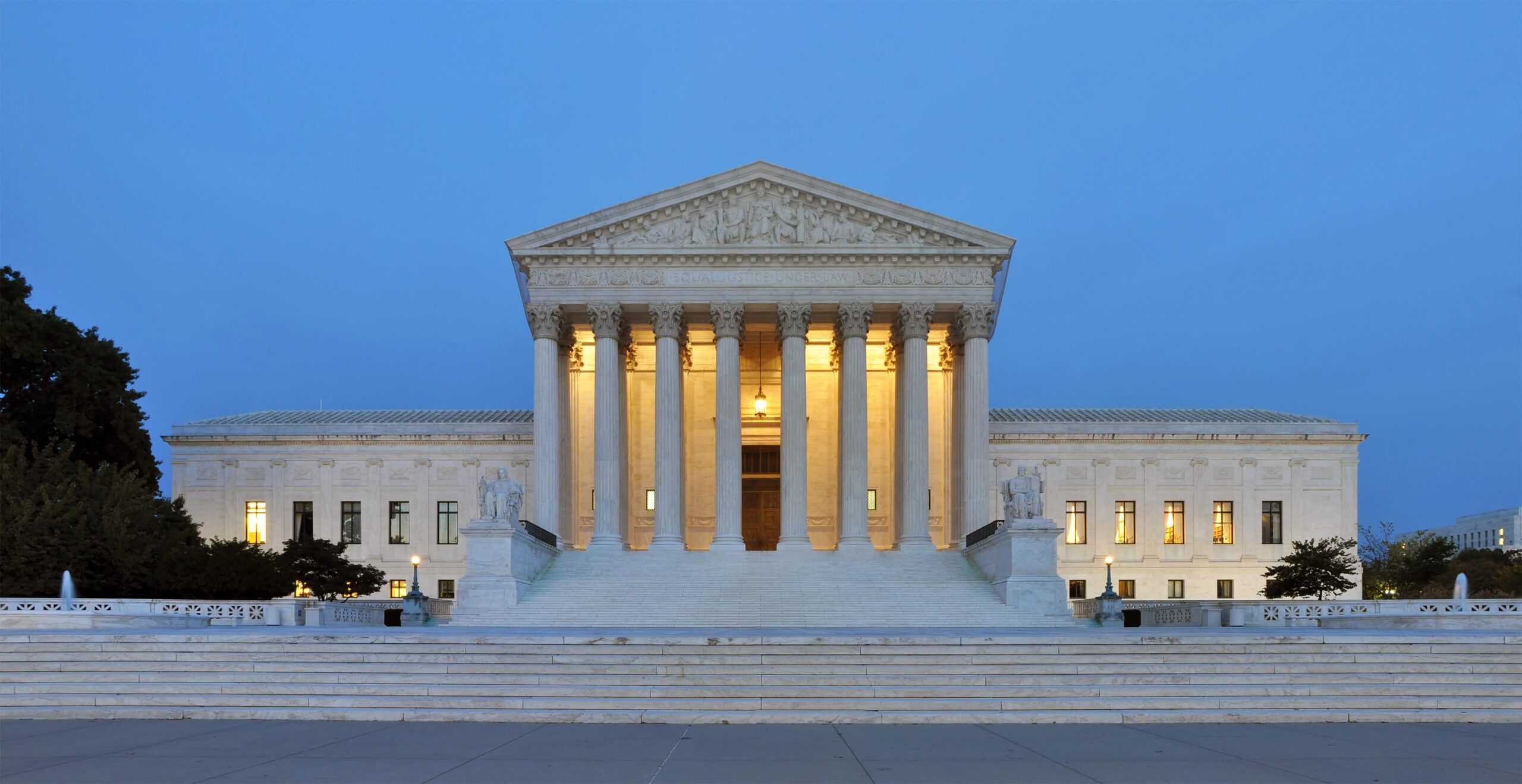
In a significant legal showdown, the U.S. Supreme Court is set to review a case challenging Colorado’s ban on conversion therapy for minors, a controversial practice that seeks to change an individual’s sexual orientation or gender identity. This high-profile review comes amid a broader national debate over the rights of LGBTQ+ individuals and the protections afforded to minors in therapeutic settings. Advocates for the ban argue that conversion therapy poses severe psychological risks, while opponents claim that the law infringes on parental rights and freedoms of speech. As the nation watches closely, the Supreme Court’s decision could have profound implications for similar laws across the country, potentially reshaping the legal landscape surrounding LGBTQ+ youth and mental health care.
Supreme Court’s Upcoming Review of Colorado’s Conversion Therapy Ban for Minors Raises Ethical Concerns
As the Supreme Court prepares to scrutinize Colorado’s ban on conversion therapy for minors, the implications of the review extend far beyond state lines. Advocates on both sides of the debate argue passionately about the ethical ramifications of such practices. Proponents of the ban assert that conversion therapy can have severe psychological consequences, including increased rates of depression and anxiety among LGBTQ+ youth. They emphasize that minors should be protected from discredited and harmful methods that seek to change an individual’s sexual orientation or gender identity, framing the ban as a necessary measure to safeguard the mental health and well-being of vulnerable populations.
Conversely, the legal challenge against the ban reflects a broader conversation about parental rights and freedom of speech. Opponents argue that the ban infringes on the rights of parents to seek counseling for their children, potentially limiting access to diverse therapeutic options. They contend that the ability to choose one’s treatment-regardless of its controversial nature-should be preserved, especially when it comes to parental guidance. This case thus highlights a critical intersection of ethics, mental health policy, and individual rights that may set a precedent for future legislation across the United States.
Legal Implications and Societal Impact of Conversion Therapy: A Deep Dive into the Colorado Case
As the Supreme Court prepares to hear the case challenging Colorado’s ban on conversion therapy for minors, the legal ramifications of this issue are far-reaching. The ban, established to protect vulnerable youth from harmful practices aimed at changing sexual orientation or gender identity, faces scrutiny from opponents who argue it infringes on parental rights and religious freedoms. Proponents of the ban highlight findings from numerous medical and psychological associations that deem conversion therapy not only ineffective but potentially damaging. The case raises fundamental questions about the balance between protecting minors from psychological harm and respecting individual liberties.
Moreover, this case is emblematic of broader societal debates surrounding LGBTQ+ rights and mental health. The implications of the court’s decision could set a crucial precedent, influencing similar legislation across the country. Key points of consideration include:
- Ethical Considerations: The ethical responsibility of protecting minors versus the right to parental control.
- Public Health Impact: The potential long-term effects of conversion therapy on mental well-being.
- Community Response: The ways in which different communities mobilize around or against such laws.
Ultimately, the outcome of this case could either fortify or undermine protections for LGBTQ+ minors, shaping the future landscape of mental health and civil rights in America. With ongoing advocacy efforts from various organizations, the societal impact extends beyond Colorado, indicating a turning point in the fight for equality and mental health advocacy.
Recommendations for Policymakers: Ensuring Children’s Rights and Mental Health in Legal Decisions
As policymakers grapple with the implications of legal frameworks surrounding conversion therapy, it is essential to prioritize children’s rights and mental health in every decision made. To support safe and affirming environments for all minors, the following strategies should be considered:
- Establish Comprehensive Regulations: Develop and enforce rigorous guidelines that prohibit harmful practices while promoting evidence-based mental health care for LGBTQ+ youth.
- Facilitate Training and Awareness: Provide training for mental health professionals, educators, and parents on the psychological harm associated with conversion therapy and the best practices for supporting LGBTQ+ youth.
- Engage Stakeholders: Involve a diverse range of stakeholders, including mental health experts, legal advisors, and community organizations, to ensure that policies are well-informed and reflect the needs of affected children and families.
Moreover, the impact of legal decisions on children’s mental health can be profound. To address this, a framework should integrate mental health considerations into legal processes used in determining the best interests of minors, which includes:
| Legal Consideration | Mental Health Implication |
|---|---|
| Child’s Voice in Legal Matters | Encourages self-advocacy and confidence |
| Access to Affirming Services | Reduces risks of depression and anxiety |
| Support Networks | Enhances resilience and emotional well-being |
This approach promotes the holistic development of children and reinforces a commitment to their safety and well-being, ultimately guiding legal frameworks towards better outcomes for vulnerable youth.
The Way Forward
As the Supreme Court prepares to hear the pivotal case challenging Colorado’s ban on conversion therapy for minors, the implications of their decision will reverberate far beyond state lines. Advocates for both sides are gearing up for a battle that not only questions the legality of these practices but also touches on deeper issues of parental rights, mental health, and the regulation of therapeutic practices. As the nation watches closely, the outcomes of this case could set a significant legal precedent that may affect similar laws across the country. With arguments set to unfold in the coming months, the dialogue surrounding this controversial issue is poised to reignite, prompting renewed discussions on the rights of minors and the responsibility of the state to protect vulnerable populations. The Supreme Court’s ruling will undoubtedly wield profound influence in shaping the future of conversion therapy regulations and the broader context of LGBTQ+ rights in America.











