
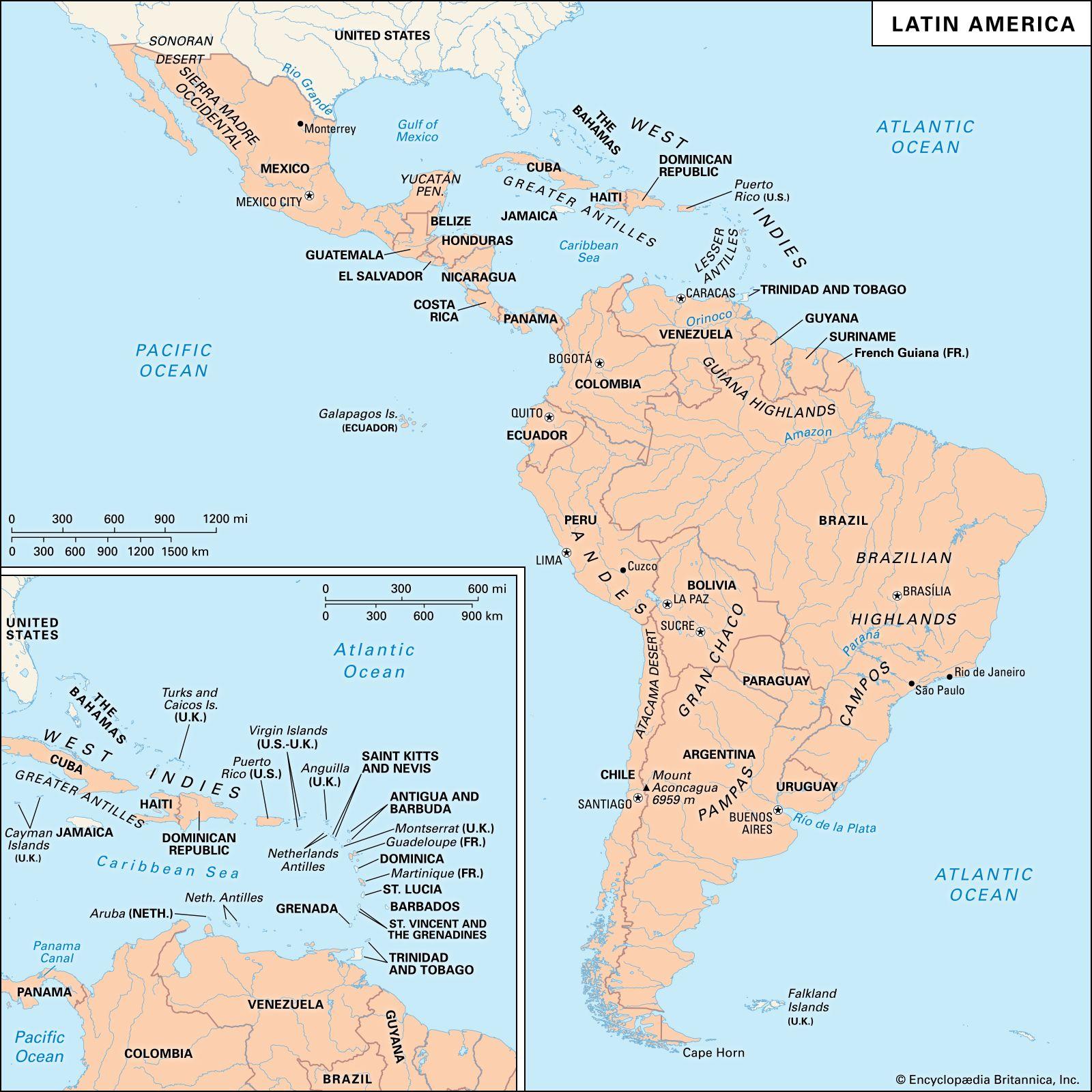
Latin America Economic Outlook 2025: A Comprehensive Analysis by Deloitte
As the world grapples with the lingering effects of the COVID-19 pandemic and shifting geopolitical dynamics, the economic future of Latin America remains a critical area of focus. In its latest report, Deloitte offers a detailed forecast for the region’s economy in 2025, highlighting key trends, opportunities, and challenges that will shape the financial landscape over the next few years. From potential growth sectors to governmental policies aimed at recovery and sustainability, this report provides a valuable roadmap for investors, policymakers, and business leaders alike. With insights drawn from extensive research and expert analysis, Deloitte’s outlook not only serves as a reflective gaze into the region’s economic trajectory but also positions itself as a vital resource for understanding the complexities and potential of Latin America’s diverse markets.
Latin America’s Economic Growth Projections and Key Challenges Ahead
Latin America is projected to experience a moderate economic recovery through 2025, with GDP growth rates expected to hover around 3.5% annually. This rebound is driven in part by revitalized commodity prices and a gradual return of foreign investment. However, the region faces significant hurdles that could dampen these optimistic forecasts. Key challenges include:
- Political Instability: A fluctuating political climate in several countries could undermine investor confidence.
- Inflationary Pressures: Rising costs, particularly in food and energy, threaten to erode consumer spending and savings.
- Supply Chain Disruptions: Ongoing global supply chain issues may hinder recovery in manufacturing and export sectors.
Moreover, structural inefficiencies and inequality remain persistent barriers to sustainable growth. Governments are now called to implement reforms that stimulate productivity and enhance the business environment. Areas requiring focus include:
- Education and Workforce Development: Improving education systems to equip the workforce with necessary skills for evolving industries.
- Sustainable Practices: Investing in green technologies and sustainable practices to combat climate change and promote long-term growth.
- Regulatory Improvements: Streamlining bureaucratic processes to make it easier for businesses to operate and innovate.
Navigating Inflationary Pressures and Currency Volatility in 2025
As Latin America braces for the economic landscape of 2025, businesses and consumers alike are grappling with significant inflationary pressures. Across the region, soaring prices are prompting governments to take swift action, focusing on policies that stabilize domestic currencies and dampen inflation rates. Analysts predict that the following strategies will be paramount in mitigating these economic challenges:
- Monetary Policy Adjustments: Central banks may need to tighten their monetary policies to curb inflation.
- Fiscal Responsibility: Governments must prioritize budget discipline to inspire confidence among investors.
- Structural Reforms: Addressing supply chain inefficiencies could help reduce price pressures.
Simultaneously, currency volatility remains a critical concern that could complicate international trade agreements and investments. With fluctuating exchange rates, companies may face difficulties in forecasting costs and revenues. To navigate this uncertainty, businesses are advised to consider these tactics:
- Hedging Strategies: Implementing financial instruments to mitigate currency risks.
- Diverse Sourcing: Engaging suppliers from multiple countries to balance currency exposure.
- Market Analysis: Continuously monitoring economic indicators to adjust strategies swiftly.
| Country | Expected Inflation Rate (%) | Currency Resilience |
|---|---|---|
| Brazil | 6.5 | Moderate |
| Argentina | 45.0 | High |
| Chile | 3.8 | Low |
Strategic Recommendations for Sustainable Development and Investment Opportunities
To ensure a resilient future, stakeholders in Latin America should prioritize investments in renewable energy, sustainable agriculture, and infrastructure development. These sectors not only hold tremendous growth potential but also address pressing environmental concerns. Governments should facilitate policy frameworks that incentivize green technologies and practices while promoting public-private partnerships. By harnessing local resources and fostering talent, countries can drive innovation and job creation, crucial for economic stabilization.
Furthermore, aligning investments with sustainable development goals (SDGs) can position Latin America as a leader in responsible investment. Noteworthy opportunities exist in the following areas:
- Climate Resilience Projects: Investments aimed at mitigating climate risks can safeguard agricultural outputs and urban areas.
- Circular Economy Initiatives: Projects focused on waste reduction and resource efficiency can transform local industries.
- Smart City Developments: Modernizing urban infrastructure to enhance livability and reduce emissions is paramount for sustainable growth.
Monitoring and measuring the impact of these initiatives will be critical. Establishing metrics and benchmarks allows stakeholders to evaluate progress and refine strategies. As countries in the region navigate economic recovery, prioritizing sustainability will not only attract foreign investment but also ensure long-term resilience in an ever-evolving global market.
To Wrap It Up
As we look ahead to 2025, the economic landscape of Latin America is poised for significant transformation, driven by a mixture of challenges and opportunities. Deloitte’s latest outlook underscores the importance of strategic policy-making, investment in innovation, and sustainable practices as key factors that could shape the region’s recovery and growth trajectory. With diverse economies and varying degrees of resilience, the path forward will require collaboration among governments, businesses, and civil society to harness the full potential of this vibrant and dynamic region. As global markets continue to evolve, the stakes have never been higher for Latin America to position itself as a player on the world stage. As we navigate the complexities ahead, stakeholders must remain vigilant and proactive in adapting to the shifting economic paradigms that will define the years to come. The findings and insights outlined in Deloitte’s report serve as a crucial roadmap for navigating this intricate landscape, reminding us that while challenges abound, so too do the prospects for a more prosperous and inclusive future.











