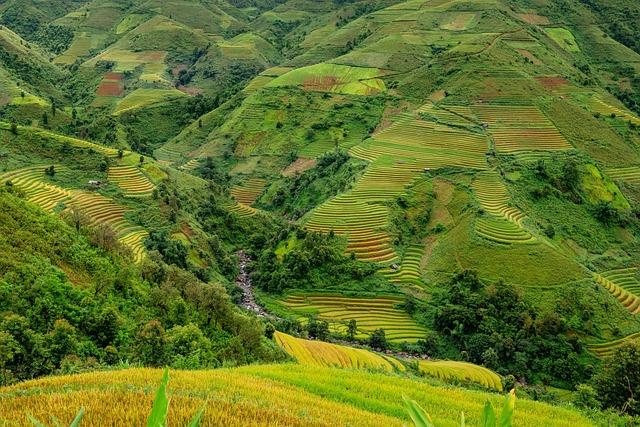
In a groundbreaking initiative aimed at fostering global agricultural collaboration, the 2025 International Rice Leadership Class is set to embark on an enlightening tour of key rice-producing regions in South America, organized by the USA Rice Federation. This endeavor, which coincides with a time of growth and challenge in the global rice market, provides an invaluable opportunity for emerging leaders in the rice industry to gain firsthand insights into the practices, challenges, and innovations shaping rice production in South America. Participants will connect with local farmers, industry experts, and agricultural organizations, enhancing their knowledge and skills while promoting cross-cultural exchanges. As the demand for sustainable rice cultivation increases worldwide, this tour promises to strengthen relationships and cultivate new ideas that can benefit the global rice community. Stay tuned for a detailed overview of the itinerary, key participants, and the potential impact of this unique educational experience.
International Rice Leadership Class Explores South American Agricultural Innovations
The 2025 International Rice Leadership Class embarked on a transformative journey through South America’s rice-producing regions, where they gained invaluable insights into innovative agricultural practices that are shaping the future of rice cultivation. This immersive experience took participants to key locations in countries such as Brazil and Argentina, enabling them to engage directly with local growers and researchers. The class focused on advancements in sustainable farming techniques, water management strategies, and the latest technologies in seed development that are critical to enhancing productivity and resilience in the face of climate challenges.
Throughout their tour, participants encountered a variety of groundbreaking initiatives including:
- Precision Agriculture: Utilizing data analytics to optimize field operations and resource use.
- Integrated Pest Management: Innovative approaches to combat pests while minimizing chemical inputs.
- Agroecology: Emphasizing biological interactions and local biodiversity to improve crop yields.
To further illustrate the impact of these innovations, the class also visited research facilities dedicated to developing climate-resilient rice varieties. A comparison of traditional versus innovative practices highlighted the potential benefits:
| Practices | Traditional Methods | Innovative Techniques |
|---|---|---|
| Yield per Acre | 4,000 lbs | 7,000 lbs |
| Pesticide Use | High | Reduced by 30% |
| Water Usage | 1,200 gallons | 800 gallons |
Key Takeaways from the Tour: Lessons in Sustainability and Production Efficiency
The recent tour of South American rice production highlighted essential techniques that can be employed to enhance sustainability and promote efficiency within the industry. Participants observed cutting-edge practices such as precision rice farming, which utilizes advanced technology to monitor crop health and optimize input usage. This method not only decreases resource consumption but also significantly boosts yield potential. Furthermore, the emphasis on integrated pest management demonstrated how eco-friendly practices can effectively protect crops while minimizing chemical intervention, underscoring the importance of balancing productivity with environmental stewardship.
Additionally, the tour revealed crucial insights into water management strategies adopted by local producers. Techniques such as alternate wetting and drying (AWD) were discussed as an effective means to conserve water resources while still ensuring robust growth. The group engaged in meaningful discussions surrounding soil health management, noting that practices like cover cropping and reduced tillage can enhance soil fertility and promote biodiversity. These takeaways reflect a growing recognition within the industry that commitment to sustainability not only benefits the environment but also fosters long-term economic viability for rice farmers across South America.
Recommendations for Enhancing Global Rice Practices from South America Insights
Insights gained from the greenhouse tours in South America have unveiled several key strategies that can significantly enhance global rice production practices. Experts recommend fostering collaboration between farmers and researchers to drive innovation in sustainable practices. Adopting precision agriculture technologies, such as drone monitoring and soil moisture sensors, can optimize inputs and increase yield efficiency. Additionally, understanding local biodiversity and incorporating traditional farming techniques can help in developing resilient rice varieties that are adapted to climate challenges.
Moreover, creating strong partnerships between government entities and agricultural cooperatives is essential for knowledge sharing and resource allocation. Investments in infrastructural improvements-like irrigation systems and transportation networks-can mitigate post-harvest losses and ensure better market access for farmers. To encapsulate these recommendations, the following table highlights the key strategic areas for development:
| Strategic Area | Focus |
|---|---|
| Collaboration | Farmers and Research Institutions |
| Technological Adoption | Precision Agriculture |
| Traditional Practices | Biodiversity Incorporation |
| Infrastructure Investment | Irrigation and Transport |
The Way Forward
As the 2025 International Rice Leadership Class wraps up its enlightening tour through South American rice country, the participants return home armed with invaluable insights into global agricultural practices and the dynamic rice industry. Organized by the USA Rice Federation, this immersive experience not only fostered international cooperation but also equipped the future leaders of the rice community with the knowledge and skills necessary to navigate the complexities of a rapidly evolving market.
The journey highlighted the shared challenges and opportunities faced by rice producers worldwide, underscoring the importance of collaboration in the pursuit of sustainable agricultural development. With their enhanced understanding and fresh perspectives, the emerging leaders are poised to contribute significantly to the resilience and innovation of the U.S. rice sector. As they carry the lessons learned back to their own communities, the impact of this program promises to resonate well beyond the fields of South America, shaping the future of rice cultivation on a global scale.