
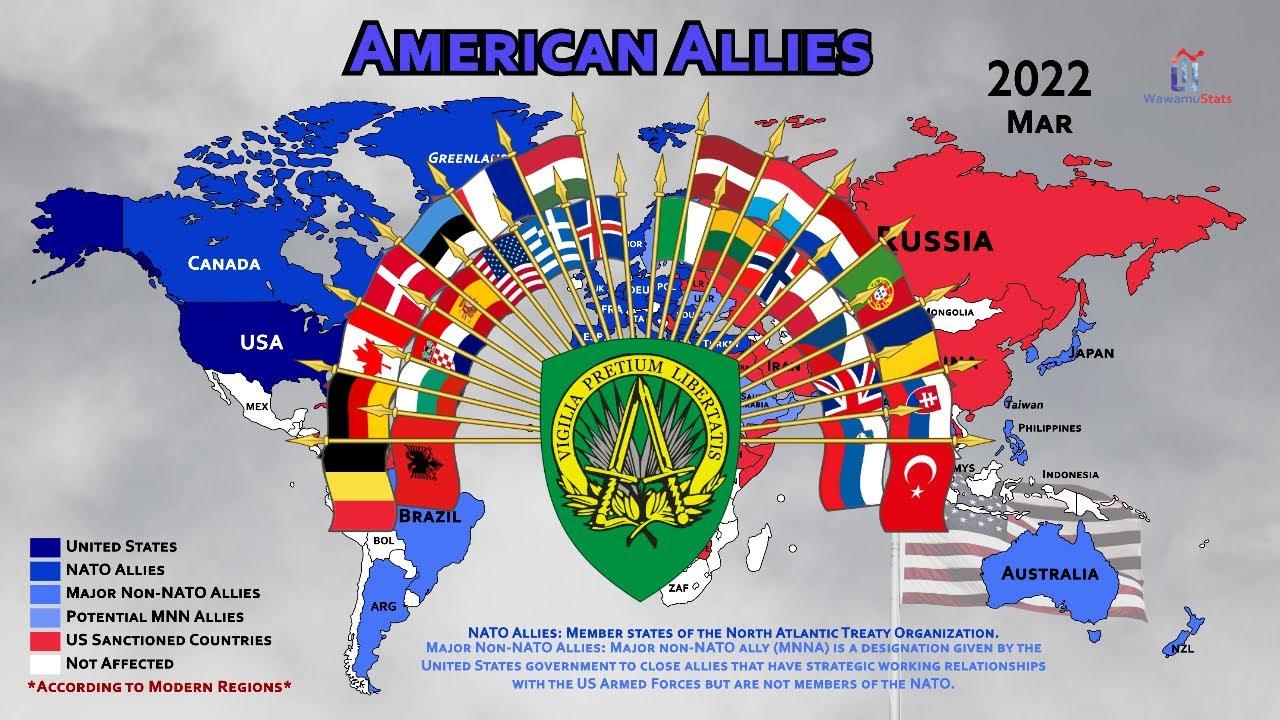
In a significant shift that could reshape global economic dynamics, key American allies are actively exploring the establishment of new trade agreements that exclude the United States. This initiative, highlighted in a recent report by The New York Times, reflects growing discontent among nations that have historically depended on American economic leadership. As these allies seek to forge their own path-prioritizing regional cooperation and alternative partnerships-the implications for international trade and U.S. influence on the world stage are profound. With discussions centered on creating a more interconnected trade map absent of American dominance, the potential for a redefined economic landscape looms large, prompting critical questions about the future role of the U.S. in a rapidly changing world marketplace.
Global Trade Alliances Shift Focus Away from the U.S
The shift in global trade dynamics has become increasingly apparent as key American allies reassess their economic partnerships. In recent months, a growing number of countries have initiated or expanded trade agreements that deliberately exclude the U.S. This realignment is driven by a mix of geopolitical considerations and a desire for greater economic independence. Countries from Asia to Europe are prioritizing collaborations that promise mutual benefits without the complexities and uncertainties often associated with American-led initiatives. The motivations behind this strategic pivot include:
- Increased Economic Security: Nations aim to bolster their supply chains by relying on closer regional alliances.
- Geopolitical Alliances: Aligning with likeminded countries can help counterbalance U.S. influence in global economic forums.
- Environmental Standards: Many agreements are emphasizing sustainability, which contrasts with some U.S. policies.
As countries move forward with new trade frameworks, it is essential to examine the evolving landscape. Recent data highlights a significant trend: while U.S. exports face various tariffs and restrictions abroad, alternative trade blocs are advocating for lower barriers among themselves. The following table illustrates how certain trade agreements have been designed to strengthen ties without U.S. involvement:
| Trade Agreement | Key Participants | Main Focus |
|---|---|---|
| The Regional Comprehensive Economic Partnership (RCEP) | China, Japan, South Korea, ASEAN nations | Minimizing tariffs, boosting regional trade |
| European Union Trade Agreements | EU member states | Sustainable trade practices, digital economy integration |
| UK-Australia Trade Deal | United Kingdom, Australia | Lowering tariffs, promoting services trade |
Strategic Partnerships Redefine Economic Landscapes
As global alliances seek to recalibrate the balance of power, emerging partnerships are reshaping international trade dynamics. Countries across Europe and Asia are exploring collaborative frameworks that not only enhance economic cooperation but also mitigate dependence on traditional powers. This movement signals a strategic pivot as nations align their interests around shared values, sustainability, and digital innovation. Notably, the recent formations of trade blocs highlight efforts to streamline regulations, remove tariffs, and facilitate seamless market access, fostering a new economic architecture.
In this evolving landscape, some prominent initiatives include:
- United Kingdom and Japan: Enhancing trade agreements in technology and green energy sectors.
- European Union’s Indo-Pacific Strategy: Expanding partnerships with ASEAN nations to promote regional stability and economic growth.
- Canada’s Export Diversification Strategy: Targeting markets in Africa and Latin America to reduce reliance on the U.S. market.
Moreover, the impact of these partnerships can be illustrated in the following table showcasing projected increases in trade volume among aligned nations over the next five years:
| Partnership | Projected Trade Volume Increase (%) |
|---|---|
| UK & Japan | 15% |
| EU & ASEAN | 20% |
| Canada & Latin America | 12% |
The drive towards a more interconnected and cooperative global economy not only reflects changing geopolitical realities but also underscores a transformative approach to international relations. By prioritizing mutual benefit and collaborative progress, these alliances are poised to redefine the economic landscape we have known, establishing a robust framework that operates independently of established powers.
Implications for American Businesses and Future Trade Policies
The evolving landscape of global trade, driven by the aspirations of American allies, presents both challenges and opportunities for U.S. businesses. With key nations seeking to establish trade frameworks independent of American influence, American companies must navigate a new competitive environment where access to emerging markets may become more restricted. Businesses will need to adapt quickly by focusing on the following strategies:
- Diversifying Supply Chains: Many firms might consider relocating their supply chains to reduce dependency on international logistics dominated by U.S. policies.
- Exploring New Alliances: Establishing partnerships with countries actively participating in these new trade blocs could facilitate smoother market entry.
- Innovating Product Offerings: Enhancing product lines to meet the specific demands of these markets can provide a competitive edge.
As trade policies evolve, the U.S. government faces pressure to reassess its approach to international commerce. The potential exclusion of American businesses from lucrative markets could lead to a push for stronger trade negotiations and adjustments in tariffs. To remain competitive, the following points should be highlighted in future trade discussions:
- Strengthening Existing Alliances: Reinforcing ties with traditional allies can provide a counterbalance to emerging trade blocs.
- Incorporating Technology and Innovation: Emphasizing tech-forward initiatives can keep American businesses at the forefront of trade conversations.
- Advocating for Fair Trade Practices: Ensuring that American businesses are not sidelined requires a commitment to advocating for equitable trade policies.
The Conclusion
In conclusion, the shifting dynamics of global trade are becoming increasingly apparent as American allies seek to redefine economic partnerships that exclude traditional U.S. influence. As these nations forge new alliances and establish alternative frameworks for trade and investment, the implications for the U.S. cannot be overstated. This movement not only reflects changing geopolitical landscapes but also highlights the desire among these countries for greater autonomy and collaboration. As we move forward, the outcome of these developments will likely reshape the global economy and the very fabric of international relations, raising critical questions about the future role of the United States on the world stage. As these trade maps evolve, all eyes will be on how the U.S. responds to this new reality and what it means for global commerce in the years to come.











