
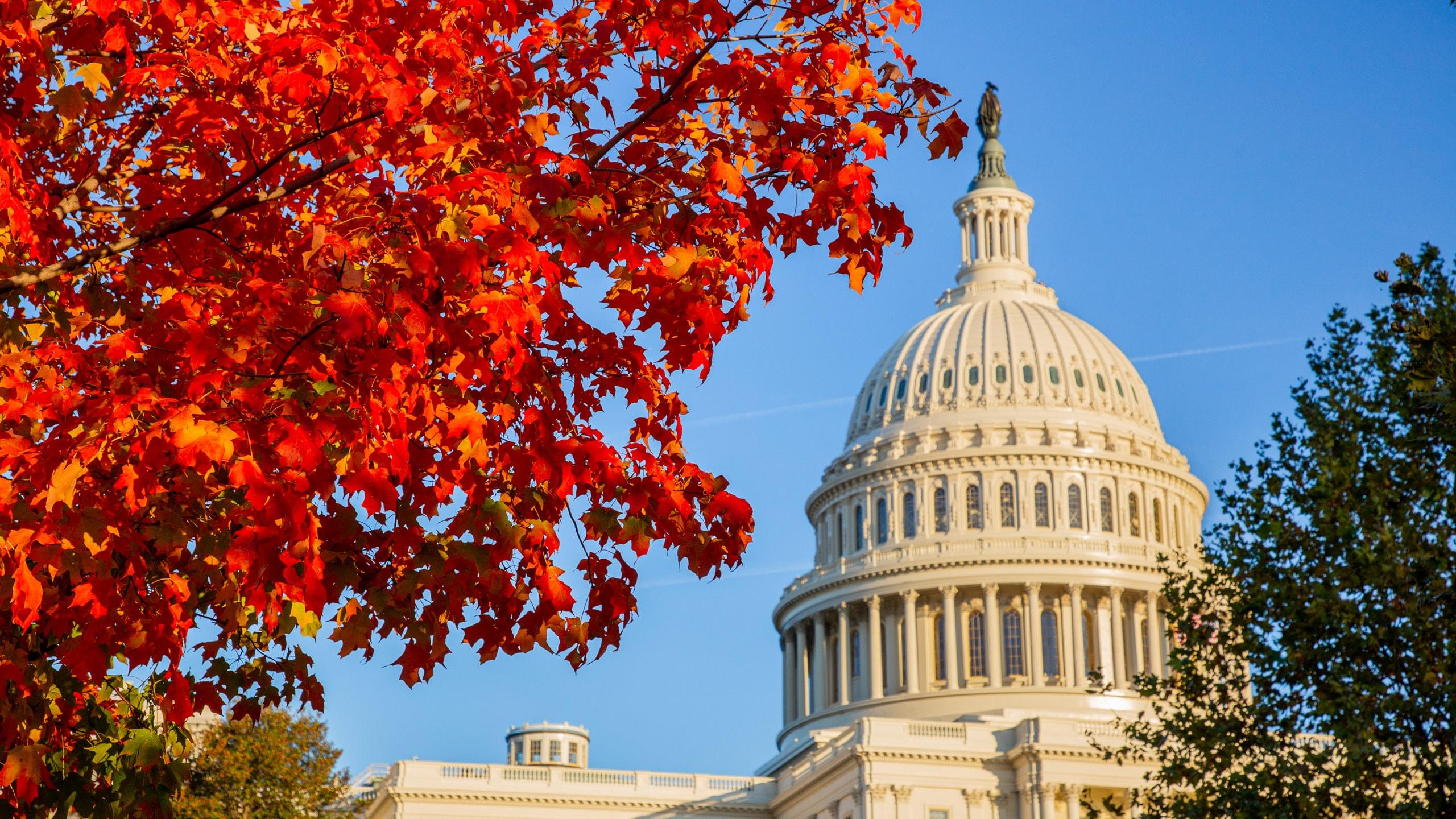
Washington Weekly: Government Shutdown Standoff – UBS
As the clock ticks down towards a potential government shutdown, tensions rise in Washington, D.C., where lawmakers are locked in a standoff over budgetary negotiations. With key deadlines looming, the political landscape is fraught with uncertainty as parties grapple with competing priorities and deep-seated divisions. In this week’s edition of Washington Weekly, we delve into the implications of a possible shutdown not only for federal operations but also for the broader economy, including insights from economists at UBS who caution about the potential fallout. As the nation braces for what could be a significant disruption, we examine the stakes involved and the strategies being debated within Congress.
Government Shutdown Standoff Impacts Economic Stability and Market Confidence
The ongoing standoff in Washington over government funding has raised significant concerns regarding economic stability and market confidence. As lawmakers grapple with budgetary disputes, the potential for a government shutdown looms larger, threatening to disrupt federal services and hinder economic growth. Businesses, particularly small enterprises that rely on government contracts or services, are feeling the ripple effects of uncertainty, which could drive investment hesitancy and slow consumer spending. With each passing day, the inability to reach a resolution amplifies fears of a prolonged stalemate, leading to an uncertain economic environment that could impact job creation and wage growth.
Market analysts are closely monitoring the situation, as a shutdown could potentially lead to volatility in financial markets. Key indicators such as employment rates, consumer confidence, and GDP growth projections may be recalibrated based on congressional negotiations. If a shutdown occurs, historical patterns suggest that investor sentiment may wobble, with top concerns including:
- Decline in consumer spending: Households may tighten their budgets, dampening overall economic activity.
- Rising borrowing costs: Investors may demand higher yields on government bonds amidst increased uncertainty.
- Loss of government services: Essential services could cease, affecting millions and potentially creating ripple effects in local economies.
| Potential Effects of Government Shutdown | Short-Term Impact | Long-Term Impact |
|---|---|---|
| Federal Employee Furloughs | Reduced consumer spending | Higher unemployment rates |
| Delayed Federal Contracts | Cash flow issues for businesses | Permanent business closures |
| Increased Market Volatility | Investor uncertainty | Long-term capital flight |
UBS Analysis: Navigating Uncertainty Amidst Legislative Gridlock
As the possibility of a government shutdown looms, UBS has pinpointed key areas that could influence market sentiment amid ongoing legislative gridlock. With Congress divided and negotiations faltering, investors should closely monitor the implications of stalled funding bills on economic indicators. Notably, consumer confidence and business investment could see pronounced shifts as uncertainty persists, potentially leading to volatility across financial markets. Analysts recommend a cautious approach to sector allocations, particularly in areas dependent on government funding and regulation.
In light of this legislative deadlock, UBS highlights several critical factors for stakeholders to consider:
- Debt Ceiling Discussions: Ongoing debates could affect borrowing costs and capital access.
- Federal Reserve Responses: Anticipated moves by the Fed in light of fiscal policies will be pivotal.
- Sector Performance Divergence: Defensive sectors may provide stability, while cyclical sectors face greater risks.
| Indicator | Current Status | Potential Impact |
|---|---|---|
| Consumer Confidence Index | Low | Reduced Spending |
| Business Investment Growth | Stagnant | Slower Economic Expansion |
| Interest Rates | Volatile | Increased Borrowing Costs |
In this environment, UBS encourages investors to stay informed and adaptable, as the current gridlock may pave the way for unexpected developments that could sway market dynamics. An informed strategy could help mitigate risks while optimizing potential gains amid the uncertainty ahead.
Strategic Recommendations for Investors in a Potentially Stalled Economy
As uncertainty looms over the economy due to potential government shutdowns, investors are advised to adopt a cautious yet strategic approach. Diverse portfolio allocation becomes crucial during these turbulent times. Investors should consider increasing their exposure to sectors that traditionally perform well in economic downturns, such as consumer staples, utilities, and healthcare. Additionally, fixed-income assets, including Treasuries and municipal bonds, may help provide stability and a consistent income stream, shielding portfolios from stock market volatility.
It is also recommended to closely monitor fiscal policies and government announcements that may impact market conditions. Investors can position themselves by:
- Reevaluating risk tolerance: Understand personal risk levels and adjust investment strategies accordingly.
- Staying liquid: Maintain cash reserves to seize opportunities in undervalued assets or during market corrections.
- Engaging in value investing: Focus on fundamentally sound companies with strong balance sheets that are likely to weather economic pressures.
By remaining informed and agile, investors can navigate the complexities of a stalled economy while potentially capitalizing on new opportunities that adversity presents.
In Conclusion
In conclusion, the ongoing standoff in Washington over the potential government shutdown reflects deepening divisions and a complex interplay of political strategies. As lawmakers brace for a critical week ahead, the implications for federal services, economic stability, and public trust remain at stake. UBS analysts emphasize that the ramifications of a shutdown could extend beyond immediate budgetary concerns, potentially destabilizing markets and impacting consumer confidence. With time running out, the pressure intensifies on both sides of the aisle to reach a consensus. As the situation develops, we will continue to monitor these critical negotiations and their broader impact on the nation. Stay tuned for updates in our next edition of “Washington Weekly.”











