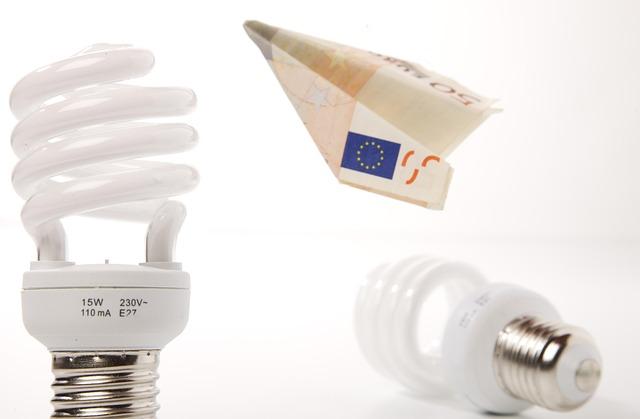
As the United States grapples with a profound energy transition driven by climate change, the surge in electricity bills has emerged as a pivotal issue with far-reaching political implications. Recent reports indicate that rising costs are straining household budgets, particularly for low- and middle-income families who are disproportionately affected. As electricity prices climb, the once-unimaginable specter of energy poverty looms larger, threatening to reshape the landscape of American politics. Both parties are now confronting the urgent need to balance climate initiatives with the economic realities faced by their constituents. In this article, we will examine how the increasing financial burden of electricity is influencing voter sentiments and shaping policy debates, pushing energy affordability to the forefront of the national agenda.
The Impact of Rising Electricity Costs on American Households and Businesses
The recent surge in electricity costs is creating a ripple effect across American households and businesses, leading to significant financial strain. Many families are finding that they must choose between essential needs, such as food and healthcare, or keeping the lights on. The increase in utility bills has added an unwelcome burden on budgets already stretched thin by inflation and other rising costs. A recent survey revealed that:
- 40% of respondents reported cutting back on expenses.
- 30% said they have started using less electricity to avoid higher bills.
- 25% have switched to cheaper, less efficient appliances.
Businesses, particularly small enterprises, are feeling the sting of these rising costs as well. Higher electricity bills can lead to reduced profit margins and may force business owners to consider layoffs or passing these costs on to consumers. Many are scrambling to find immediate solutions, such as investing in energy-efficient technologies or alternative energy sources. According to data garnered from a recent industry report:
| Business Size | Impact of Rising Costs |
|---|---|
| Small Businesses | Significant profit margin reduction |
| Medium Enterprises | Operational adjustments required |
| Large Corporations | Long-term strategy shifts |
Assessing the Political Fallout from Increasing Energy Prices
The surge in electricity prices across the United States has begun to reshape the political landscape as constituents express growing frustration over affordability and economic stability. As energy bills climb, voters are increasingly holding their elected officials accountable, leading to a significant uptick in calls for legislative action. Key issues emerging from this crisis include:
- Rising inflation concerns linked to energy costs
- A bipartisan backlash against utility companies
- Calls for increased investment in renewable sources
This situation has created a pivotal moment for political leaders, who find themselves at a crossroads between addressing immediate electoral concerns and pursuing long-term energy policies. As the impacts of rising electricity costs affect households, particularly in low-income and rural areas, officials are being pressured to propose tangible solutions. Proposed measures include:
- Subsidies for vulnerable populations
- Incentives for energy efficiency and conservation programs
- Proposals for a cap on energy price hikes
| State | % Increase in Electricity Prices |
|---|---|
| California | 12% |
| Texas | 15% |
| Florida | 10% |
| New York | 8% |
Strategic Recommendations for Policy Makers to Alleviate Burden on Consumers
To mitigate the financial strain on consumers facing skyrocketing electricity costs, policy makers must adopt a multi-faceted approach that prioritizes both immediate relief and long-term sustainability. Subsidizing renewable energy sources, including solar and wind, can significantly lower dependency on costly fossil fuels while promoting green technology. By investing in energy efficiency programs that incentivize retrofitting homes and businesses, authorities can help consumers reduce their overall energy consumption. Furthermore, extending financial assistance to low-income households for utility bills would provide a crucial buffer against rising costs.
Additionally, regulatory frameworks should be revisited to enhance transparency and competition in energy markets. Implementing measures that promote fair pricing and prevent monopolistic behaviors will encourage more competitive rates for consumers. Policy makers can also seek to establish community energy programs that allow localities to generate and manage their own energy resources, thus reducing reliance on external suppliers. Creating a balanced energy policy that combines affordability, sustainability, and equity will ultimately empower consumers while transitioning to a cleaner, more reliable energy system.
Future Outlook
As America grapples with surging electricity bills, the ramifications extend beyond household budgets and corporate bottom lines; they ripple through the political landscape, challenging policymakers and reshaping voter priorities. With energy costs becoming a pivotal issue ahead of significant elections, leaders must navigate a complex matrix of public sentiment, economic stability, and environmental responsibility. As citizens demand solutions, the potential for political consequences looms large, underscoring the urgent need for innovative energy policies that balance affordability with sustainability. The road ahead will require not only strategic planning but also a renewed commitment to addressing the underlying issues driving these price hikes. In this pivotal moment, the choices made by lawmakers will not only affect the economy but could very well redefine the political narrative in the months and years to come.