
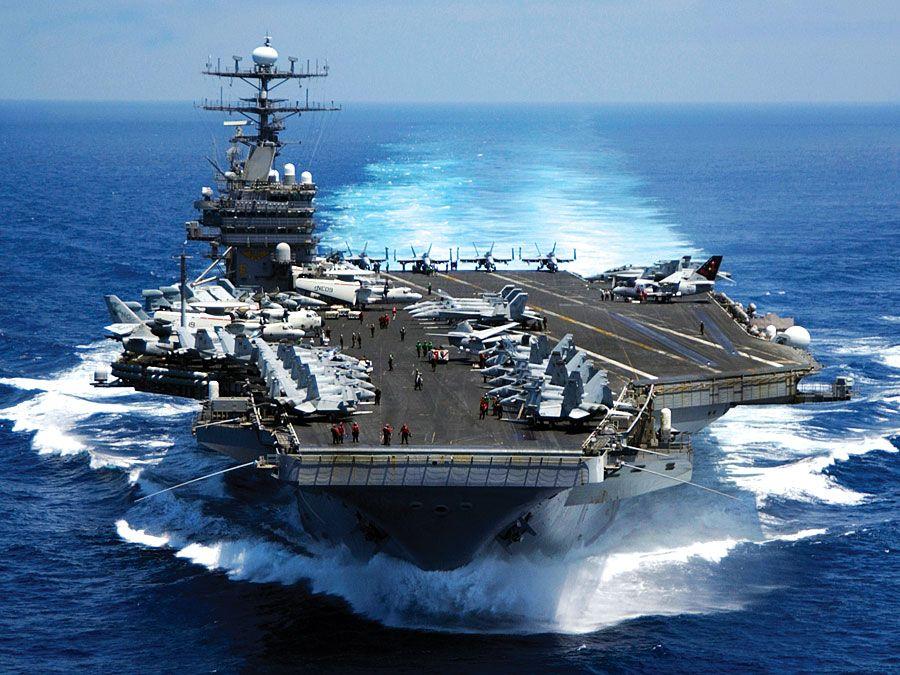
In a significant escalation of military efforts against drug trafficking in the region, the United States has deployed an aircraft carrier to Latin America, a move that underscores the ongoing challenges posed by narcotics smuggling and organized crime. This deployment marks a pivotal moment in U.S. foreign policy as it seeks to bolster regional security and combat the influence of drug cartels that have long plagued several countries in Central and South America. As tensions rise and cooperation with local governments becomes increasingly vital, the strategic positioning of naval forces signals a renewed commitment to tackling the complex issues surrounding drug trafficking and its far-reaching impacts on both sides of the border. The implications of this military campaign extend beyond regional stability, touching on the wider dynamics of international relations and the multifaceted nature of the war on drugs.
US Military Strategy in Latin America: The Deployment of Aircraft Carriers in the Fight Against Drug Trafficking
In a significant shift in military posture, the United States has dispatched an aircraft carrier to the southern hemisphere as part of an intensified effort to combat drug trafficking in Latin America. This deployment underscores the U.S. commitment to addressing the growing influence of narcotics cartels, which have been linked not only to the illegal drug trade but also to violence and instability across the region. By positioning such a powerful asset within proximity to key trafficking routes, the U.S. aims to enhance surveillance capabilities and facilitate international collaboration among regional law enforcement agencies.
This strategic move is part of a broader military campaign that includes the following key components:
- Enhanced Surveillance: Utilizing advanced technology on board carriers to monitor maritime routes used for trafficking.
- Joint Operations: Engaging in training exercises and missions with Latin American navies to bolster regional counter-narcotics efforts.
- Interdiction Capabilities: Increasing the U.S. Navy’s ability to intercept drug shipments before they reach land.
As this military presence grows, analysts are closely watching its implications on regional dynamics and potential pushback from local governments wary of U.S. intervention. The effectiveness of carrier deployments in influencing drug trade patterns remains to be seen, but it certainly marks a historic moment in U.S.-Latin America relations aimed at curbing the narcotics crisis.
Implications for Regional Security and International Relations Amid Rising Tensions
The recent deployment of a U.S. aircraft carrier to Latin America underscores the heightened focus on security concerns in the region, specifically those tied to drug trafficking. Such military maneuvers not only signal a shift in U.S. foreign policy but also highlight the complexities of regional security dynamics, which have become increasingly intertwined with international relations. This escalation may prompt a reevaluation of alliances, as participating nations in the fight against narcotics may face pressure to align more closely with U.S. objectives, potentially leading to:
- Heightened Military Cooperation: Countries in Latin America may strengthen their military ties with the U.S., leading to joint operations and intelligence sharing.
- Increased Tensions with Non-Aligned States: Nations wary of U.S. intervention, such as Venezuela or Bolivia, may react with hostility, complicating diplomatic relations.
- Impact on Local Governance: The focus on military solutions could divert resources from social programs aimed at tackling the root causes of drug trafficking.
The broader geopolitical landscape is also affected, as this military campaign could lead to shifting alliances and increased influence for rival power blocs. Countries such as China and Russia are likely to view U.S. actions with skepticism, potentially maneuvering to expand their influence in Latin America as a countermeasure. To illustrate the potential shifts in diplomatic relations, consider the following table:
| Country | Possible Reactions | Potential Alliances |
|---|---|---|
| Mexico | Enhanced collaboration with U.S. | Closer ties with South American partners |
| Venezuela | Increased hostility towards U.S. | Alignment with Russia and China |
| Colombia | Support for U.S. military efforts | Strengthening regional alliances |
Expert Recommendations for Strengthening Collaborative Efforts Against Drug Cartels
In light of the recent military deployment of an aircraft carrier to Latin America, experts emphasize the need for a multi-faceted approach to combat the complex web of drug trafficking networks. To enhance collaborative efforts among nations, analysts recommend establishing a framework for intelligence sharing that includes real-time data on cartel movements and operations. This could be achieved through a joint task force comprising law enforcement agencies from affected countries, enhancing situational awareness and strategic response capabilities. Furthermore, the importance of community engagement cannot be overstated, with initiatives aimed at social development being pivotal in cutting off the supply of new recruits to these criminal organizations.
In addition to intelligence operations and community programs, experts also advocate for targeted economic interventions that disrupt the financial structures of drug cartels. By employing sanctions and regulatory measures against known associates and entities linked to these groups, governments can weaken their financial backbone. The following measures are essential to develop a robust response:
- Strengthening border security: Enhanced cooperation between military and customs agencies to monitor and control trafficking routes.
- Collaborative training programs: Joint training exercises for military and police forces across nations to ensure uniform readiness in counter-narcotics operations.
- Public awareness campaigns: Informing communities about the dangers of drug trafficking and the benefits of reporting suspicious activities.
| Strategy | Details |
|---|---|
| Intelligence Sharing | Establish joint task forces for real-time intelligence flow across borders. |
| Financial Disruption | Implement sanctions to target financial networks of cartels. |
| Community Engagement | Launch programs aimed at empowering local youth to deter them from cartel recruitment. |
Wrapping Up
As the United States ramps up its military presence in Latin America with the deployment of an aircraft carrier, the implications of this strategic move are far-reaching. This escalation in the fight against drug trafficking highlights the complexities surrounding regional security and international cooperation. Experts and officials will undoubtedly closely watch the unfolding developments, as the U.S. aims to demonstrate its commitment to combating the growing influence of narcotraffickers. While the deployment may serve to bolster operational capabilities in the region, it also raises questions about the effectiveness of military action in addressing the multifaceted challenges of drug-related violence and socioeconomic instability. As this situation evolves, the intersection of military strategy and diplomatic efforts will be vital in shaping the future landscape of U.S.-Latin American relations. The coming weeks and months will offer crucial insights into how this campaign will impact not only the countries directly involved but also the broader geopolitical dynamics in a region long affected by the scourge of drug trafficking.











