(Image credit: Ford)
The US is cracking down on the potential security threat posed by connected technology, with White House National Security Adviser Jake Sullivan saying the US has ample evidence of China pre-positioning malware in critical American infrastructure, according to the Reuters report.
The potential blacklisted technology includes connected cameras, microphones and GPS equipment manufactured in China, as well the hardware and software required for increased levels of self-driving.
Rather than wait for a time when cheaper Chinese EVs are prevalent in North America, the current administration wants to clamp down on the issue before it becomes a problem.Â
“With potentially millions of vehicles on the road, each with 10- to 15-year lifespans the risk of disruption and sabotage increases dramatically,” Sullivan said in a briefing.
Kiss goodbye to cheap Chinese EVs
(Image credit: Ford)
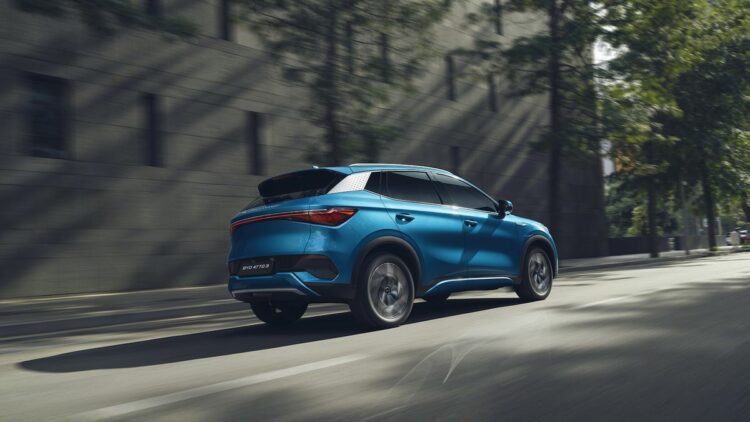
Should the proposed legislation come into force early next year, it will almost certainly be the final road block to more affordable electric vehicles from the likes of BYD, Ora, and Nio entering the US market.
The Biden administration has already attempted to tax them out of existence, increasing tariffs on Chinese-made EVs from 25% to 100% earlier this year. President Biden hoped the move would stop – or at least slow down – the threat they pose to the domestic car market.
But the shift to banning both Chinese-made software and hardware could have a wider impact on the new car market in general, with any manufacturer using the blacklisted tech forced to find new suppliers, which will almost certainly lead to delays in deliveries.
Not deterred by the increasing pressure piled on by the Biden administration, Chinese companies like BYD have been exploring the option of buying or building new manufacturing bases in Europe, Mexico and Africa in order to avoid the taxation and exploit trade loopholes.
However, this renewed focus on national security will make it almost impossible for Chinese and Russian automotive business to sell vehicles and connected tech in the USA, joining an expanding list of potentially blocked items that includes new drones from Chinese manufacturer DJI and select telecommunications equipment from Huawei and ZTE.
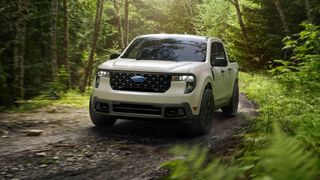
With US automakers dragging their heels on electric vehicles (Ford has delayed most of its new battery-powered models), the recent move by the Biden administration will likely have a dramatic impact on the speed of EV adoption within the country.
While undoubtedly North America is a key market for any emerging automotive brand, BYD is already among the top-selling EV makers in Brazil, Mexico, and Southeast Asia, with eyes on dominating Europe and South America next, which could mean a US ban could ultimately have only a limited effect on Chinese companies.Â
you might also like
Source link : http://www.bing.com/news/apiclick.aspx?ref=FexRss&aid=&tid=66f2c27a8e874e5ca4b82b0668fd8f19&url=https%3A%2F%2Fwww.techradar.com%2Fvehicle-tech%2Fhybrid-electric-vehicles%2Fus-ramps-up-pressure-on-chinese-ev-imports-as-it-proposes-ban-on-products-that-pose-threat-to-national-security&c=11890836202522969209&mkt=en-us
Author :
Publish date : 2024-09-24 02:32:00
Copyright for syndicated content belongs to the linked Source.