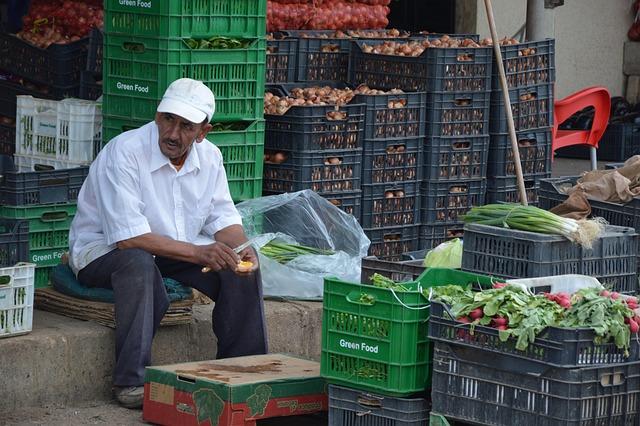
In the wake of an ongoing humanitarian crisis, Venezuelan asylum seekers find themselves grappling with uncertainty as they navigate the complexities of their new lives. The relentless political turmoil, economic collapse, and escalating violence in Venezuela have driven millions to flee their homeland, seeking refuge across the Americas. As they adapt to unfamiliar environments, these individuals face a myriad of challenges-from securing stable housing and employment to navigating intricate legal processes. In an exclusive report, we delve into the stories of Venezuelans seeking asylum in various countries, exploring their hopes for the future, the trials they encounter, and the broader implications for international migration policies in a rapidly evolving global landscape.
Venezuelan Asylum Seekers Face Uncertain Futures Amid Ongoing Crisis
As the political and economic turmoil in Venezuela persists, many of those fleeing the country find themselves in a state of limbo, apprehensively navigating the asylum process in various host nations. Often arriving with little more than the clothes on their backs, these individuals face numerous challenges upon arrival. They must confront a complex web of legal barriers, cultural adjustments, and the daunting prospect of starting over in an unfamiliar environment. The hope of a brighter future can quickly dim in the face of uncertainty and bureaucracy.
Many asylum seekers express deep concerns about their immediate and long-term prospects. Factors influencing their anxiety include:
- Stringent Immigration Policies: Host countries are tightening restrictions on asylum applications, making it harder for newcomers to secure legal status.
- Economic Hardships: Without employment opportunities, many struggle to meet basic needs, relying on support networks that are often stretched thin.
- Social Isolation: Language barriers and unfamiliar cultural norms can foster feelings of isolation, making integration a significant hurdle.
Furthermore, a lack of access to mental health resources compounds their struggles, leaving many to deal with trauma from their experiences in Venezuela and the uncertainty of life as asylum seekers. Advocates urge for comprehensive immigration reform and more robust support services to help these individuals transition successfully and regain a sense of stability.
Navigating the Complexities of Asylum: Legal Challenges and Support Needs
As Venezuelan asylum seekers navigate the often daunting landscape of legal challenges, many find themselves grappling with uncertainties that extend beyond their immediate circumstances. The asylum process is riddled with complexities, including lengthy wait times, the intricacies of legal documentation, and the potential for rejection. These barriers can create a profound sense of anxiety and instability, leaving many to question their future in a new country. Issues such as inadequate legal representation and a lack of understanding of the asylum process further complicate their situations, leading to increased emotional and psychological stress.
The need for support systems becomes increasingly critical in this context. Asylum seekers benefit from a range of resources, including:
- Legal Aid Clinics: Providing free or low-cost legal assistance.
- Counseling Services: Offering psychological support to cope with trauma.
- Community Outreach Programs: Facilitating integration through workshops and social events.
- Language Classes: Enhancing communication skills necessary for daily life.
Collaboration between non-profit organizations, local governments, and community members can significantly improve the support network available to these individuals. Addressing both legal and emotional needs is crucial for helping Venezuelan asylum seekers regain hope and rebuild their lives amidst uncertainty.
Finding Stability: Community Resources and Recommendations for Integration
For Venezuelan asylum seekers navigating the uncertainties of their new lives, local community organizations play a critical role in providing essential support and resources. Many newcomers are seeking guidance in legal matters, health services, and job placement. Non-profit organizations dedicated to assisting immigrants have emerged as lifelines, offering everything from counseling to language classes. Some of the most beneficial community resources include:
- Legal Aid Societies: Providing pro bono legal support for asylum applications and immigration processes.
- Health Clinics: Offering free or low-cost health services, including mental health support tailored to trauma survivors.
- Job Training Programs: Assisting with resume building, interview preparation, and vocational training.
- Cultural Orientation Workshops: Helping new arrivals acclimate to their surroundings, focusing on local customs and resources.
Moreover, various cities have established integration programs that specifically address the challenges faced by Venezuelan migrants. These initiatives often involve collaboration between government agencies and community groups, ensuring a more comprehensive support system. To illustrate the impact of these resources, the following table summarizes key programs available across select regions:
| City | Program Name | Focus Area |
|---|---|---|
| Miami | Venezuelan Assistance Program | Legal & Social Services |
| Houston | Hope for Refugees | Job Training & Placement |
| Los Angeles | Unity in Diversity Project | Cultural Integration |
| New York | Migrant Health Initiative | Health Services |
Concluding Remarks
As the plight of Venezuelan asylum seekers continues to unfold, the challenges they face serve as a stark reminder of the broader humanitarian issues at play. While many have fled their homeland in search of safety and stability, the uncertainty of their futures remains a pressing concern. As they navigate complex immigration systems and confront cultural barriers in their host countries, the need for compassionate policies and support systems becomes ever more apparent. The stories of these individuals reflect not only their resilience but also the urgent call for a global response to the crises that drive them from their homes. As the situation evolves, it is crucial for both local communities and international bodies to foster an environment of understanding and assistance, ensuring that those seeking refuge can find not just safety, but also the promise of a new beginning.