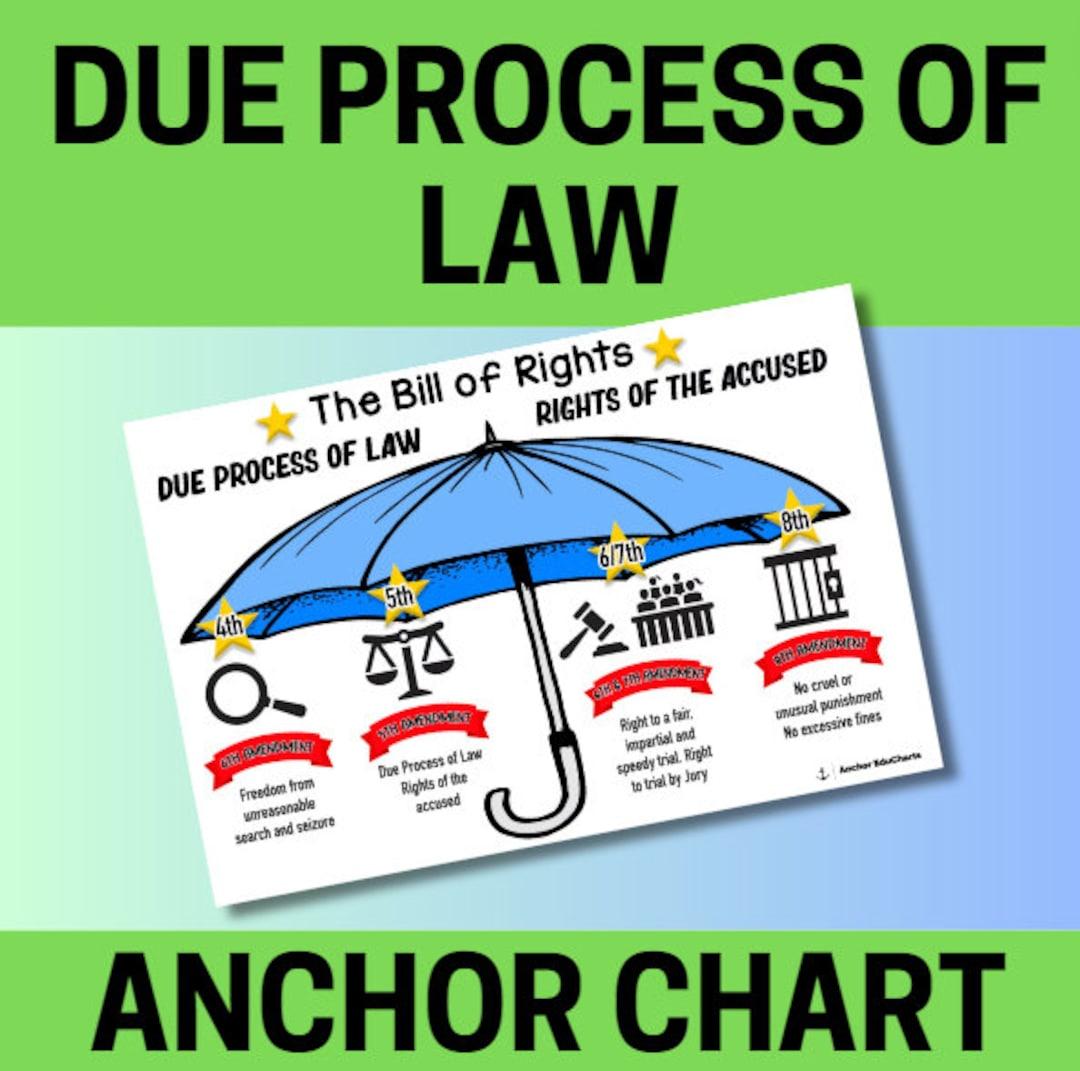
Why Due Process Matters for Every American, Including Non-Citizens
In a nation built on the principles of justice and equality, the concept of due process stands as a cornerstone of American democracy. Yet, in an era marked by contentious debates over immigration and national security, the fundamental rights that protect individuals-regardless of their citizenship status-are increasingly under scrutiny. The International Rescue Committee (IRC) emphasizes that due process is not merely a legal formality but a vital safeguard that upholds the ideals upon which the United States was founded. This article explores why due process is essential for every individual within the country’s borders, including non-citizens, and highlights the potential consequences when these rights are overlooked. As communities grapple with issues of fairness and accountability, understanding the significance of due process for all Americans becomes not just a legal imperative, but a moral one.
The Crucial Role of Due Process in Upholding American Values for All
Due process is more than a legal term; it is a fundamental tenet that protects the rights of every individual within the United States. This essential principle ensures that all persons, regardless of their immigration status, receive fair treatment under the law. By guaranteeing that legal proceedings are conducted fairly and that individuals have a voice in their own defense, due process embodies the very essence of justice in America. It reinforces the idea that everyone is entitled to protection and representation, which is crucial in a diverse society where non-citizens also contribute significantly to the fabric of the nation.
Moreover, maintaining robust due process protections is vital for safeguarding American values such as equality and justice. These principles are essential for fostering trust between communities and the legal system. As challenges to accountability and transparency continue to emerge, the following aspects highlight the importance of due process:
- Protection of Rights: Ensures that everyone can assert their legal rights without fear of discrimination.
- Accountability: Holds government actors to a standard that requires fairness and consistency in legal proceedings.
- Community Trust: Builds confidence among communities, particularly marginalized groups, that the justice system operates without bias.
Understanding the Impact of Due Process on Non-Citizens’ Rights
Due process is a fundamental principle that upholds the legal rights of individuals, ensuring fair treatment under the law. For non-citizens, who often find themselves navigating a complex legal landscape, understanding this principle is vital. It guarantees essential rights, such as the ability to contest charges, present evidence, and appeal decisions. In a society built on justice, it is crucial that these rights extend to all, not just citizens. The ramifications of due process often impact various aspects of non-citizens’ lives, including:
- Immigration Proceedings: Non-citizens have the right to an attorney and to participate in hearings.
- Detention Conditions: Fair treatment and humane conditions must be maintained during detention.
- Employment Rights: Non-citizens often rely on due process protections to secure fair wages and working conditions.
Furthermore, the legal protections afforded to non-citizens contribute to the overall health of the justice system. When due process is upheld, it prevents a slippery slope toward arbitrary governance and discrimination. Understanding the specific rights granted under due process ensures that non-citizens can protect themselves from wrongful deportations or unfair trials. It is important to recognize that the enforcement of due process helps maintain the integrity of the law itself. Below is a summary of key rights impacted by due process:
| Right | Description |
|---|---|
| Right to Counsel | Non-citizens are entitled to legal representation. |
| Right to Fair Hearing | Everyone can present their side of the story in court. |
| Right to Appeal | Decisions made by lower authorities can be challenged. |
Recommendations for Strengthening Due Process Protections in Immigration Policy
Strengthening due process protections in immigration policy is vital to ensuring fairness and justice for all individuals, regardless of their citizenship status. A more robust framework should include the following key elements:
- Access to Legal Representation: Ensure that all individuals facing deportation or immigration proceedings have access to free or affordable legal counsel.
- Improved Transparency: Mandate clear, consistent communication about immigration policies and procedures to those affected, including timely notices of hearings and decisions.
- Enhanced Review Mechanisms: Establish independent review boards for immigration decisions to prevent arbitrary or biased rulings.
- Community Engagement: Foster collaboration with community organizations to provide resources and support to immigrants navigating the legal system.
Furthermore, data-driven assessments should guide policy amendments to align with principles of due process. The following table highlights essential recommendations, aligning each with its expected impact on immigrants:
| Recommendation | Expected Impact |
|---|---|
| Legal Representation Access | Reduces unjust deportations |
| Transparency Improvements | Increases public trust |
| Independent Review Boards | Prevents discrimination |
| Community Collaboration | Empowers affected individuals |
Insights and Conclusions
In conclusion, the principle of due process is not merely a legal safeguard; it is a fundamental tenet that underscores the values of justice and equity within the American legal system. As highlighted in the report by the International Rescue Committee, ensuring that due process protections extend to all individuals-regardless of citizenship-strengthens the fabric of American democracy and upholds the dignity of every person. As the discourse surrounding immigration and legal rights continues to evolve, it is imperative that all Americans remain vigilant in defending these rights for everyone living in the United States. After all, a commitment to due process is a commitment to the principles of fairness and equality that define the nation itself.