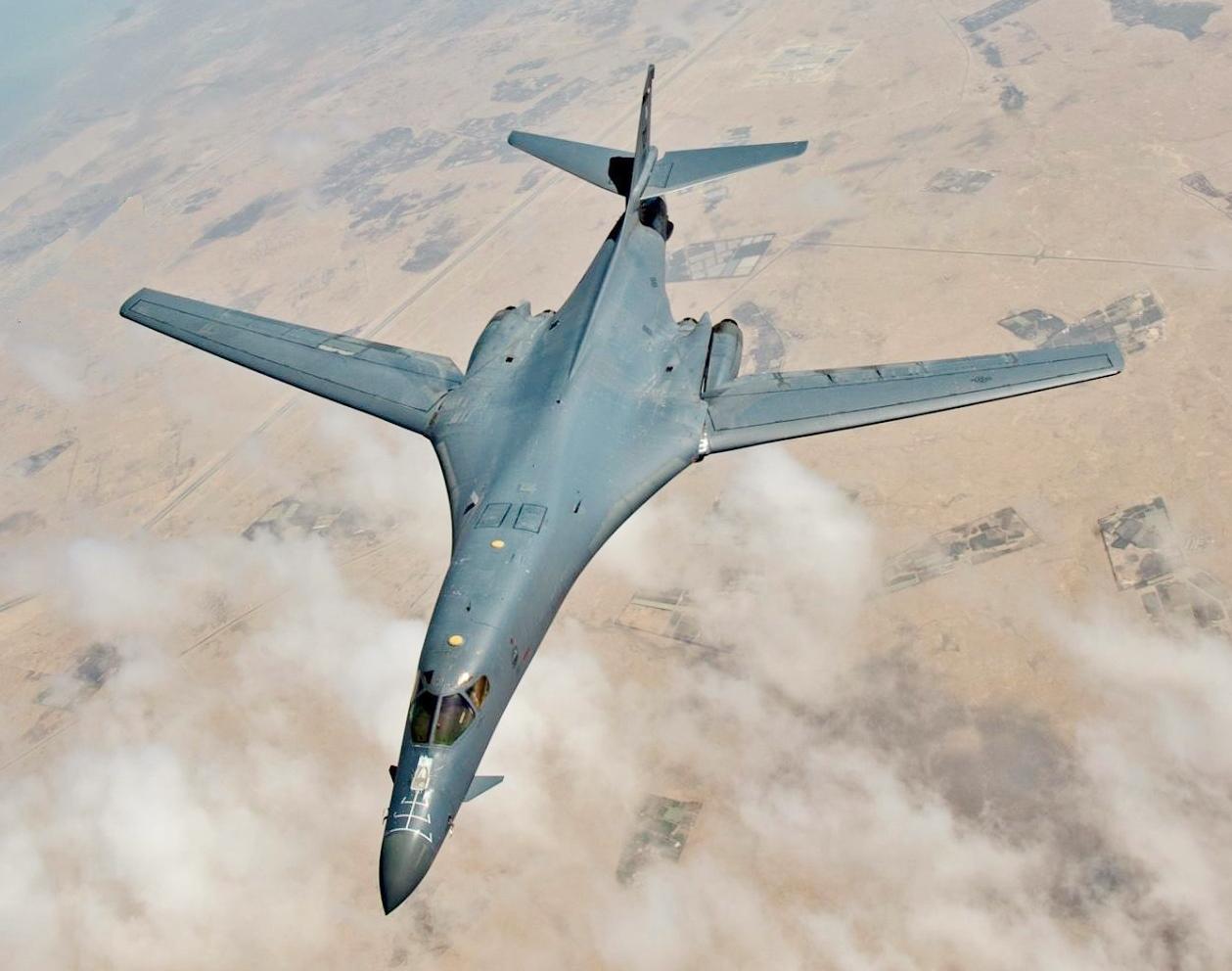
American B-1 Bombers Approach Venezuela: A Strategic Show of Force
In a significant development amidst escalating tensions in the Latin American region, American B-1 bombers have been deployed to conduct flights in proximity to Venezuela. This military maneuver, reported by the UK Defence Journal, comes at a time when the geopolitical landscape is increasingly fraught with uncertainty. As the United States reinforces its strategic posture in response to various regional threats, the presence of these advanced bombers signals a robust commitment to regional security and deterrence. Analysts are closely monitoring the implications of this show of force, which may have far-reaching consequences for diplomatic relations and military dynamics in South America.
American B-1 Bombers Deployed to South America for Strategic Deterrence
The recent deployment of American B-1 bombers to South America marks a significant move in military strategy aimed at enhancing regional stability and deterrence capabilities. These long-range bombers, known for their versatility and striking power, are positioned to project force and reassure allies in the region amidst growing tensions. The presence of these aircraft serves as a clear signal to any potential adversaries regarding the United States’ commitment to defend its interests and those of its allies in the Western Hemisphere. With this deployment, the U.S. aims to uphold its strategic partnerships and demonstrate its readiness to engage in complex operations if necessary.
Enhanced air operations involving B-1 bombers are expected to bring a host of benefits, including:
- Rapid Response Capability: The B-1’s ability to cover vast distances quickly allows for prompt deployment in crisis situations.
- Strengthening Alliances: Joint exercises with South American nations can bolster cooperative defense efforts.
- Intelligence Gathering: The bombers are equipped for surveillance and reconnaissance missions, contributing to regional security assessments.
- Deterrence Through Visibility: Their presence serves as a deterrent to hostile actions by regional powers.
As part of the broader strategy, the U.S. Air Force has outlined a robust operational framework that includes coordination with regional partners, ensuring multi-domain integration, and conducting frequent exercises to enhance interoperability. In alignment with this deployment, upcoming military drills will serve as a platform for showcasing the B-1’s capabilities and reaffirming collective security commitments across South America.
Analyzing the Implications of Military Maneuvers Near Venezuelan Territory
The recent deployment of American B-1 bombers near Venezuelan airspace raises significant concerns regarding regional stability and international relations. The presence of these strategic bombers serves multiple purposes, including demonstrating military capability and asserting geopolitical interests. Analysts suggest that this maneuver may be aimed at sending a clear message to both Venezuela and other Latin American countries regarding U.S. commitment to countering perceived threats. Potential repercussions include heightened tensions not only between the U.S. and Venezuela but also with other nations that might view this act as an aggressive provocation.
Moreover, this situation has implications for various key players in the region. The potential fallout could impact diplomatic relations and encourage increased military readiness among neighboring states. The repercussions may include:
- Increased Tensions: As military drills intensify, countries may feel compelled to react defensively, thus escalating the situation.
- International Alliances: Nations may realign their foreign policies based on their perceptions of U.S. intentions in the area.
- Humanitarian Concerns: A military-focused atmosphere might overshadow pressing social issues within Venezuela, leading to neglect of humanitarian needs.
To better visualize the current military landscape, the following table summarizes key military assets in the region:
| Country | Military Assets Deployed | Strategic Intent |
|---|---|---|
| United States | B-1 Bombers | Deterrence and Power Projection |
| Venezuela | Ground Forces and Air Defense Systems | Defense and Readiness |
| Colombia | Increased Surveillance Operations | Regional Stability |
Recommendations for Strengthening Regional Security Partnerships Amid Rising Tensions
In light of escalating tensions in the region, it is crucial for nations to enhance cooperation through collaborative defense initiatives. This may include:
- Joint Military Exercises: Conducting regular joint training sessions can foster deeper communication and interoperability among allied forces.
- Information Sharing: Establishing robust communication channels for intelligence sharing can preemptively address potential threats.
- Strategic Resource Allocation: Pooling resources for defense infrastructure and technology will bolster regional capabilities.
Furthermore, building on diplomatic ties is essential. Nations should prioritize:
- Dialogue Platforms: Create forums that allow for discussions on security concerns, fostering understanding and collaborative approaches to potential conflicts.
- Enhancing Economic Ties: Robust economic partnerships can serve as a foundation for improved political relationships, indirectly supporting unified security efforts.
- Engagement with Multilateral Organizations: Strengthening collaboration with entities like the Organization of American States (OAS) could amplify collective security mechanisms.
To Wrap It Up
In summary, the recent deployment of American B-1 bombers to the region underscores the heightened military tensions surrounding Venezuela. With geopolitical dynamics rapidly evolving, the presence of these advanced bombers serves as a potent reminder of the United States’ commitment to safeguarding its interests and reinforcing stability in the Latin American region. As world leaders continue to navigate this complex landscape, the implications of such military maneuvers will undoubtedly shape future diplomatic and military strategies. Stakeholders and observers alike will be watching closely to see how this development influences relationships between the U.S., Venezuela, and surrounding nations in the coming weeks and months.