Why the US Attacked Venezuela: Oil, Sanctions, and Maduro – Global Witness
In recent years, tensions between the United States and Venezuela have escalated to a boiling point, drawing the world’s attention to the complex interplay of geopolitics, economic interests, and humanitarian crises. At the heart of this conflict lies Venezuela’s vast oil reserves, a treasure trove that has long attracted international interest and intervention. As the U.S. government has imposed a series of sanctions aimed at destabilizing President Nicolás Maduro’s regime, the consequences have reverberated far beyond Venezuelan borders, impacting global oil markets and exacerbating a dire humanitarian situation within the country. In this article, we explore the intricate web of motivations behind U.S. actions in Venezuela, examining how oil, economic sanctions, and political maneuvering have shaped one of the most contentious relationships in modern diplomacy. Through the lens of detailed reporting from Global Witness, we aim to unveil the underlying forces at play and assess their implications on a nation teetering on the brink of collapse.
Understanding the Geopolitical Stakes Behind the US-Venezuela Conflict
The conflict between the United States and Venezuela is deeply rooted in a web of geopolitical interests, primarily revolving around oil. Venezuela holds one of the largest proven oil reserves in the world, making it a key player in global energy markets. The U.S., having historically relied on Venezuelan oil exports, has viewed the country as both a source of energy and, at times, a political threat. The rise of Nicolás Maduro, whose government has been accused of authoritarianism and corruption, has further complicated this relationship. The U.S. has implemented sanctions on Venezuelan oil exports in an attempt to pressure Maduro to yield to political reform, framing the issue as a fight for democracy. However, these sanctions have often had the unintended consequence of strengthening Maduro’s grip on power, as they are used to rally nationalistic sentiments among his supporters.
Moreover, the situation is exacerbated by the broader geopolitical competition between the U.S., China, and Russia. Both China and Russia have extended their influence in Venezuela, providing economic and military support to the Maduro regime. This dynamic complicates U.S. strategies, as a direct military confrontation risks escalating into a regional conflict, potentially drawing in other nations. The stakes are high, as oil prices and global energy security are at play. To illustrate these points, the following table summarizes key aspects of the U.S.-Venezuela conflict:
| Aspect | Details |
|---|---|
| Oil Reserves | Largest proven reserves in the world |
| U.S. Sanctions | Targeting Venezuelan oil exports since 2017 |
| Political Regime | Nicolas Maduro’s government accused of authoritarianism |
| Global Players | China and Russia support Maduro |
The Role of Oil in Shaping US Sanctions and Military Strategies
The strategic significance of oil has profoundly influenced U.S. foreign policy, particularly in relation to Venezuela, a country rich in petrochemical resources. Venezuela’s vast oil reserves, reportedly the largest in the world, have made it a focal point for American economic interests. Over the years, U.S. sanctions aimed at crippling the Maduro regime have often been justified by the need to protect human rights and combat corruption, but beneath these narratives lies a persistent drive to control oil production and reinforce American dominance in the hemisphere. The implications of these sanctions are extensive, affecting everything from energy prices to international alliances, and highlighting the paradox of humanitarian concerns aligned with strategic oil interests.
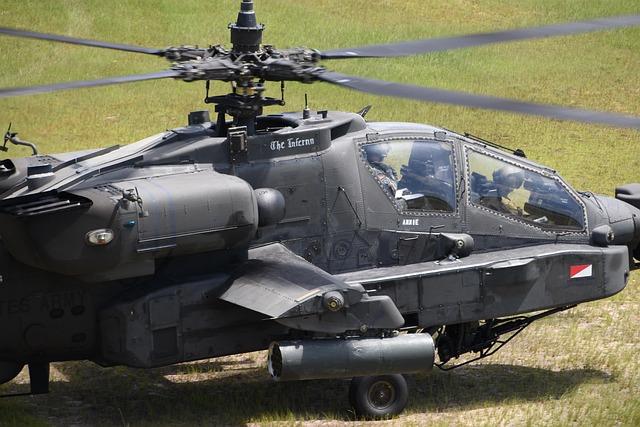
Military strategies linked to oil interests further complicate U.S. interventions in Venezuela. The Pentagon and various intelligence agencies have identified the necessity of safeguarding oil supplies amidst geopolitical instability. This dynamic manifests in potential military options that not only target the Maduro government but also aim to secure U.S. energy interests in the region. To understand this interplay thoroughly, consider the following key factors:
| Factor | Description |
|---|---|
| Oil Reserves | Venezuela’s reserves position it as a critical player in global oil markets. |
| Economic Sanctions | Targeting the oil industry has been central to U.S. sanctions, aiming to weaken the regime. |
| Military Posturing | The U.S. has maintained a military presence in the region to deter influence from rival nations. |
| Geopolitical Strategy | Oil stability influences alliances with other oil-rich nations and impacts trade relationships. |
Assessing the Impact on Venezuelan Civilians and Recommendations for Humanitarian Aid
The ongoing crisis in Venezuela has profoundly affected its civilian population, exacerbating an already dire situation. Economic instability, characterized by hyperinflation and widespread poverty, has left millions struggling to meet basic needs. Essential services such as healthcare and education have suffered immensely, leading to a humanitarian disaster. As a result, the Venezuelan population faces significant challenges, including:
- Malnutrition: With food shortages rampant, children and families are at risk of severe malnutrition.
- Healthcare Crisis: Hospitals lack necessary supplies and medications, which has led to increased mortality rates.
- Mass Migration: An estimated 5.5 million Venezuelans have fled the country, resulting in regional instability.
- Human Rights Violations: Instances of repression and violence against civilians by state security forces continue to rise.
To alleviate the suffering of Venezuelan civilians, it’s imperative for the international community to consider a multifaceted approach to humanitarian aid. Recommendations for effective intervention include:
- Increased Humanitarian Access: Ensure that aid organizations can distribute essential supplies without governmental obstructions.
- Support for Refugees: Provide resources to countries hosting Venezuelan refugees, helping to integrate them into local communities.
- Economic Support: Facilitate cash transfer programs to enable Venezuelans to purchase food and medical supplies directly.
- Advocacy for Human Rights: Encourage international bodies to hold perpetrators accountable and promote dignity for all individuals.
The Conclusion
In conclusion, the complexities surrounding the U.S. decision to target Venezuela are deeply intertwined with the country’s vast oil reserves, economic sanctions, and the contentious leadership of Nicolás Maduro. As Global Witness reveals, the implications of this geopolitical conflict extend beyond borders, affecting the lives of millions and raising critical questions about the role of international powers in sovereign nations. Understanding the motives and consequences of these actions is essential not only for comprehending the current situation in Venezuela but also for anticipating the potential ramifications on global energy markets and international relations. As this situation continues to evolve, the world watches closely, aware that the dynamics of power, oil, and human rights remain at the forefront of this ongoing crisis.