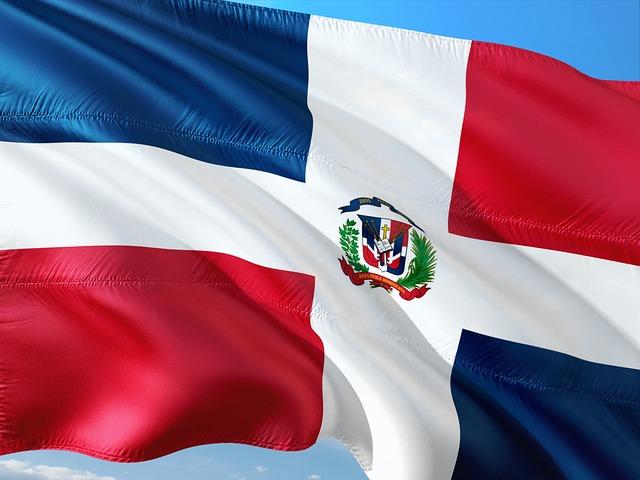
In a significant advancement for renewable energy initiatives in the Caribbean, the United States has officially approved the construction of a subsea power link between the Dominican Republic and Puerto Rico. This ambitious project, hailed as a transformative step towards energy resilience and sustainability, aims to bolster the electrical grid of both territories while facilitating the exchange of clean energy resources. With the increasing urgency to combat climate change and enhance energy security in the region, this approval marks a pivotal moment for energy collaboration in the Caribbean. As anticipation mounts over the project’s potential impact, stakeholders are eager to see how it will reshape the energy landscape, drive economic growth, and improve reliability in power supply for millions of residents.
US Approval Marks Significant Step Forward for Caribbean Energy Collaboration
The recent approval of the subsea power link between the Dominican Republic and Puerto Rico marks a transformative moment for energy collaboration in the Caribbean. This project, backed by the U.S. federal government, aims to enhance energy security and reliability in the region while promoting the use of renewable resources. The anticipated benefits include:
- Increased Energy Resilience: The interconnection allows for mutual support in times of peak demand or energy shortages.
- Reduction of Fossil Fuel Dependence: By enabling the sharing of clean energy, both territories can decrease reliance on imported oil.
- Economic Growth: Stabilizing the energy supply can attract investment and boost local economies.
This initiative aligns with broader goals of sustainable development and regional integration. The collaborative effort aims to establish a framework for future projects that enhance connectivity, promote green technology, and facilitate energy trading among Caribbean nations. Key milestones leading to this project include:
| Milestone | Date |
|---|---|
| Project Proposal Submission | March 2021 |
| U.S. Regulatory Review Commencement | June 2022 |
| Approval Announcement | October 2023 |
Implications for Renewable Energy Initiatives in the Dominican Republic and Puerto Rico
The approval of the subsea power link between the Dominican Republic and Puerto Rico marks a significant milestone for renewable energy initiatives in the region. With the ability to transfer clean energy efficiently, this project is set to enhance energy security and reliability for both islands. Key implications include:
- Enhanced Renewable Energy Integration: The subsea link can facilitate the sharing of renewable energy sources, such as solar and wind, allowing both regions to collectively maximize their resource potential.
- Stimulation of Investments: The connection could attract foreign investments in both countries’ renewable sectors, encouraging technological advancements and infrastructure development.
- Reduction of Fossil Fuel Dependency: By enhancing access to renewable energy, the subsea power link will aid in reducing reliance on imported fossil fuels, contributing to a more sustainable energy model.
Moreover, this initiative can serve as a catalyst for regional cooperation, fostering collaboration between the governments and private sectors of both nations to pursue ambitious energy goals. As awareness and pressure for climate action rise, the establishment of this power link not only represents a crucial infrastructural advancement but also promotes a regional commitment toward achieving sustainable energy targets. Here’s a concise overview of potential benefits:
| Benefit | Description |
|---|---|
| Job Creation | Increased employment opportunities in renewable energy sectors. |
| Environmental Impact | Reduction in greenhouse gas emissions through cleaner energy sources. |
| Energy Independence | Greater self-sufficiency in energy production for both islands. |
Strategic Recommendations for a Sustainable and Resilient Subsea Power Infrastructure
The approval of the subsea power link between the Dominican Republic and Puerto Rico marks a significant milestone in enhancing energy security and sustainability in the Caribbean. To ensure the long-term viability of this infrastructure, several strategic recommendations can be made. First, it is critical to invest in advanced monitoring technologies that can identify potential failures or environmental impacts early. These technologies will help maintain the integrity of the subsea cable and minimize disruption to energy flow. Furthermore, fostering collaboration between regional utilities can expedite the sharing of best practices and operational strategies, leading to improved resilience across interconnected systems.
Additionally, establishing a comprehensive regulatory framework will be vital for governing the operations and maintenance of the subsea power infrastructure. A focus on environmental assessments should guide the strategic planning stages, ensuring that all potential ecological impacts are considered and mitigated. Enhancing community engagement through stakeholder workshops will foster local support for the project, while transparent communication will address any concerns related to environmental preservation. Such an approach will not only solidify community trust but also position the project as a model for sustainable energy solutions in coastal regions.
In Summary
In conclusion, the recent approval by the U.S. government for the Dominican Republic-Puerto Rico subsea power link marks a significant milestone in regional energy collaboration. This project not only promises to enhance energy security and sustainability between the two territories but also paves the way for future investments in clean energy infrastructure across the Caribbean. As stakeholders prepare for implementation, the potential economic and environmental benefits will be closely monitored. This initiative underscores the importance of cross-border partnerships in addressing energy challenges and advancing renewable energy solutions in the region. As developments unfold, Baird Maritime will continue to provide updates on this transformative project and its broader implications for energy policy and management in the Caribbean basin.