Subscribe to Fast Thinking email alerts
Sign up to receive rapid insight in your inbox from Atlantic Council experts on global events as they unfold.
Pressure from abroad
In addition to the “serious concerns” expressed by US Secretary of State Antony Blinken, several countries throughout the region called for more transparency around the vote count—including neighboring Colombia, where, as Jason notes, “President Gustavo Petro has maintained a close relationship with Maduro.”
Without full results and an independent audit, “the international community has no choice but to respond with swift condemnation and diplomatic pressure,” Geoff says, with the United States and its allies in Latin America and Europe playing a crucial role.
That international pressure will be important to uphold the will of Venezuelans, but there are self-interested reasons for regional and international powers to push for change. Jason says another six years of Maduro will lead to “new outward migration flows and new transnational criminal activity that will extend far beyond Venezuela’s borders.”
Crackdown at home?
The major point of contention will be sanctions, which the United States reimposed in April after the Maduro government didn’t uphold its end of last year’s deal to hold free and fair elections. “I doubt Venezuelan elites are eager for six more years of repression, sanctions, and economic catastrophe,” Geoff says.
The opposition, therefore, should “exploit divisions within the ruling coalition,” Iria says. At the same time, opposition leaders should “find ways to address public discontent without exposing the population to the violent repression experienced in 2017.”
And if Maduro were to return to the bargaining table, it would look very different from the negotiations between the government and the opposition, Iria tells us. Now, she says, negotiations would no longer be about electoral conditions “but rather on Chavismo’s exit from power after its defeat in the voting booths. The next six months will be a crucial period of intense conflict in Venezuela.”
Further reading
Mon, Jul 22, 2024
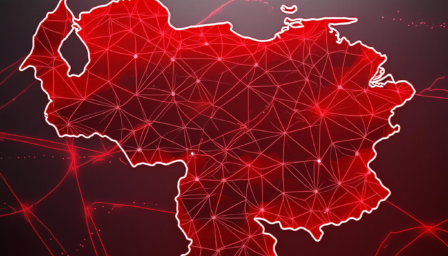
How Venezuela became a model for digital authoritarianism
Report
By
Iria Puyosa, Andrés Azpúrua, Daniel Suárez Pérez
As Venezuelans head to the polls on July 28, the massive online surveillance apparatus developed under incumbent Nicolás Maduro watches street video, monitors social media and phone communications, and gathers data from online movements. What’s behind this digital repression—and will it spread?
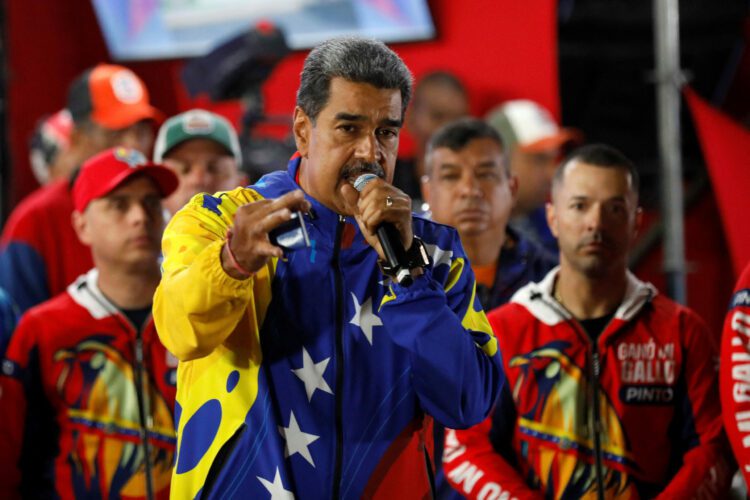
Image: Venezuelan President Nicolas Maduro speaks after the presidential election in Caracas, Venezuela July 29, 2024. REUTERS/Fausto Torrealba
Source link : https://www.atlanticcouncil.org/blogs/new-atlanticist/can-maduro-hold-onto-power/
Author :
Publish date : 2024-07-29 16:17:00
Copyright for syndicated content belongs to the linked Source.