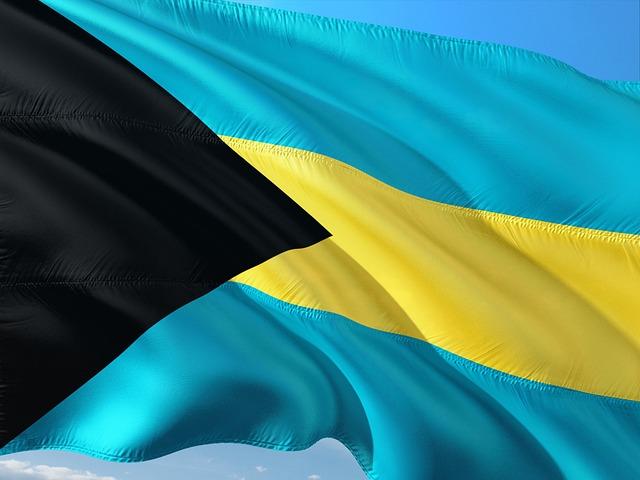
In the vibrant and strategically positioned archipelago of the Bahamas, a geopolitical tug-of-war is unfolding, ensnaring Caribbean nations in the crossfire between two global superpowers: the United States and China. As these nations navigate the complexities of international relations, they find themselves at the epicenter of a broader struggle for influence in the region- a dynamic that transcends mere diplomacy and deeply affects local economies, infrastructure development, and national security. This article delves into how the interests of Washington and Beijing are shaping the future of the Caribbean, with the Bahamas serving as a critical case study in the evolving landscape of global power dynamics. With the stakes increasingly high, the decisions made by these small island nations could resonate far beyond their shores, impacting not only their own sovereignty but also the geopolitical equilibrium of the Western Hemisphere.
Navigating Geopolitical Tensions in the Caribbean: The Impact of U.S.-China Rivalry on the Bahamas
The escalating rivalry between the United States and China has significant ramifications for the Bahamas and other Caribbean nations, thrusting them into the spotlight of geopolitical maneuvering. Historically, these nations have enjoyed relative autonomy in their foreign relations, but the current U.S.-China tension is reshaping the landscape. With both superpowers vying for influence, Caribbean governments are faced with tough decisions as they navigate investments, aid packages, and political ties. The Bahamian economy, heavily reliant on tourism and foreign investment, could be severely impacted as these powers leverage economic incentives to curry favor.
To illustrate the potential outcomes of this geopolitical struggle, consider the following factors influencing the Bahamas’ position:
- Investment Opportunities: Both the U.S. and China are investing in infrastructure and tourism, altering local economies.
- Diplomatic Relations: Bilateral agreements may be reshaped based on alignment with either superpower.
- Security Concerns: Increased military presence could lead to instability as nations choose sides.
The Bahamas must balance these external pressures while ensuring the well-being of its citizens. As the stakes rise, the possibility of becoming a battleground for influence cannot be ignored. Understanding these dynamics is essential for policymakers looking to maintain sovereignty while also fostering economic growth and stability.
Economic Opportunities and Challenges: How Caribbean Nations Can Leverage Foreign Interest
The Caribbean nations stand at a strategic crossroads as U.S.-China tensions escalate, presenting both significant economic opportunities and potential challenges. With foreign investment pouring into the region, countries like the Bahamas must navigate this complex geopolitical landscape to maximize benefits. Key areas to consider include:
- Infrastructure Development: Foreign players are eager to invest in critical infrastructure, enhancing transport and communication networks, which can bolster local economies.
- Tourism and Hospitality: An influx of international visitors can stimulate growth, but there’s a need to balance tourism with sustainable practices to preserve the region’s natural beauty.
- Technology Transfer: Engaging with foreign firms can lead to the adoption of advanced technologies, enhancing local industries and workforce skills.
However, Caribbean nations must tread carefully to mitigate the challenges posed by foreign interests. Increased dependency on external investments can lead to vulnerabilities, such as:
- Economic Vulnerability: Reliance on a single market or investor can create instability in the face of geopolitical shifts.
- Environmental Concerns: Rapid development driven by foreign capital may threaten biodiversity and lead to unsustainable practices.
- Cultural Erosion: The influence of foreign cultures and businesses can overshadow local customs and traditions, potentially diluting national identities.
| Foreign Interest Areas | Potential Benefits | Risks |
|---|---|---|
| Infrastructure | Improved accessibility | Environmental degradation |
| Tourism | Increased revenue | Cultural dilution |
| Technology | Skill development | Economic dependency |
Strategic Alliances for a Sustainable Future: Recommendations for Bahamas and Regional Leaders
As the geopolitical landscape continues to shift under the weight of U.S.-China competition, it is imperative that leaders in the Bahamas and across the Caribbean capitalize on strategic alliances that promote not only economic prosperity but also sustainability. By forming coalitions focused on shared objectives, regional leaders can enhance collective bargaining power and attract investments that prioritize renewable resources and eco-friendly technologies. Key strategies may include:
- Regional Trade Agreements: Foster equitable trade pacts that support local industries and create green job opportunities.
- Infrastructure Development: Collaborate on sustainable infrastructure projects that mitigate climate risks while enhancing economic resilience.
- Knowledge Sharing Initiatives: Establish partnerships with environmental organizations to leverage best practices in sustainability.
Moreover, addressing the multifaceted challenges posed by climate change requires concerted efforts that transcend borders. By leveraging their collective resources, Caribbean nations can position themselves as leaders in renewable energy and climate adaptability. This may involve:
- Investment in Renewable Energy: Develop joint ventures to harness solar, wind, and ocean energy potential collectively.
- Capacity Building Programs: Work together to enhance local expertise in sustainable practices and technologies.
- International Collaborations: Seek partnerships with global stakeholders to gain access to innovative solutions and funding.
In Conclusion
In conclusion, the geopolitical landscape of the Caribbean, particularly for nations like the Bahamas, is increasingly shaped by the rivalry between the United States and China. As these two global powers vie for influence in the region, Caribbean nations find themselves at a crossroads, navigating the complexities of foreign investment, infrastructure development, and diplomatic relations. The decisions made by these countries in the context of this power struggle will not only shape their immediate economic futures but also define their long-term strategic autonomy. As the dynamics continue to evolve, it will be crucial for leaders in the Caribbean to balance their partnerships carefully, ensuring that their nations’ interests remain at the forefront of this high-stakes contest. The implications of this turf fight extend beyond the Caribbean, potentially impacting global economic trends and international relations for years to come.