In a significant development for American travelers, both Bolivia and Uzbekistan have announced the elimination of visa requirements for U.S. citizens, making it easier for adventurers and business professionals to explore these diverse and culturally rich nations. This policy shift is expected to boost tourism and strengthen bilateral relations, opening the door for a wider exchange of ideas, culture, and commerce. As economies worldwide continue to recover from the impacts of the pandemic, this move reflects a growing trend among countries looking to attract visitors by simplifying entry processes. In this article, we delve into the implications of these changes and what prospective travelers can expect from their journeys to Bolivia’s breathtaking landscapes and Uzbekistan’s historic Silk Road cities.
Bolivia and Uzbekistan Open Doors to American Travelers with New Visa Waivers
American travelers can now explore the vibrant landscapes and rich cultures of Bolivia and Uzbekistan without the hassle of obtaining a visa. These countries have officially dropped the visa requirements for U.S. citizens, a move aimed at boosting tourism and enhancing international relations. The decision comes as part of wider efforts by both nations to foster greater connections with the United States, allowing Americans to immerse themselves in the diverse offerings of these regions more easily than ever before.
In Bolivia, visitors can marvel at the stunning salt flats of Salar de Uyuni, traverse the historic streets of La Paz, and enjoy the lush Amazonian jungles. Meanwhile, Uzbekistan beckons with its breathtaking Silk Road cities, like Samarkand and Bukhara, where ancient architecture meets modern hospitality. Here are some must-visit highlights in both countries:
- Bolivia: Discover the mystical lake at Titicaca.
- Uzbekistan: Experience the vibrant bazaars of Tashkent.
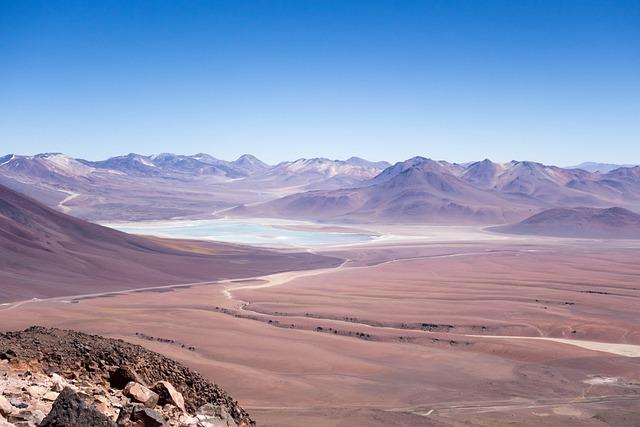
- Bolivia: Trek through the otherworldly landscapes of Sajama National Park.
- Uzbekistan: Revel in the grandeur of Registan Square.
Exploring Cultural Richness and Adventure Opportunities in Bolivia and Uzbekistan
With the recent announcement of visa-free travel for American citizens, both Bolivia and Uzbekistan are poised to become major travel hotspots. Adventurers and cultural enthusiasts alike can look forward to experiencing a wealth of unique offerings in these two diverse countries. From the breathtaking landscapes of Bolivia’s Salar de Uyuni-the largest salt flat in the world-to the rich tapestry of history woven through Uzbekistan’s ancient Silk Road cities like Samarkand and Bukhara, visitors will find a treasure trove of experiences. Each nation provides an opportunity to immerse oneself in vibrant cultures, where colorful festivals, traditional music, and mouth-watering cuisines await discovery.
Whether you are scaling the stunning peaks of the Andes or wandering through the elaborate tile work of Uzbek mosques, the adventure possibilities are endless. Travelers can dive into activities such as:
- Hiking through lush jungles and arid deserts
- Cultural excursions to explore local customs
- Gastronomic experiences featuring traditional dishes
- Shopping for locally crafted souvenirs
For those keen on outdoor pursuits, Bolivia offers ecotourism initiatives that promote sustainability while showcasing its natural beauty. Meanwhile, Uzbekistan’s distinct architectural wonders and hospitable hospitality provide a captivating backdrop for exploration, making it a prime destination for history buffs and photographers. With no visa hurdles, the allure of these countries has never been more accessible, inviting travelers to expand their horizons and create unforgettable memories.
Navigating Travel Plans and Recommendations for American Tourists in Two Vibrant Destinations
American tourists looking to explore Bolivia and Uzbekistan can now enjoy seamless travel experiences due to the lifting of visa requirements. This change opens the door to a wealth of cultural insights, breathtaking landscapes, and rich histories in these two distinct regions. From the majestic Andes mountains in Bolivia, where you can explore the surreal Salar de Uyuni salt flats and experience vibrant indigenous cultures, to the Silk Road cities of Uzbekistan, famous for their stunning Islamic architecture and bustling bazaars, the opportunities are exhilarating. Here are some travel tips to maximize your journey:
- Research Local Customs: Understanding local traditions will enrich your experience and help you connect with locals.
- Pack Accordingly: Weather can vary greatly; layers are key in Bolivia, while Uzbekistan may require light, breathable fabrics.
- Language Basics: A few phrases in Spanish and Uzbek can go a long way in enhancing interactions.
- Health Precautions: Check recommended vaccinations and ensure you have access to clean drinking water.
Travelers are encouraged to embrace the culinary delights of each region. Bolivia is renowned for dishes like salteñas and anticuchos, while Uzbekistan boasts culinary highlights such as plov and manty. To help you plan your gastronomic adventures, consider the following popular foods:
| Bolivia | Uzbekistan |
|---|---|
| Salteñas | Plov |
| Anticuchos | Manty |
| Pique Macho | Shashlik |
With easy accessibility and vibrant experiences waiting, American tourists can broaden their horizons in these captivating countries without the barriers of visa regulations. Exploring Bolivia and Uzbekistan promises not only adventure but also a deeper understanding of two culturally rich nations.
Insights and Conclusions
In a significant step towards fostering international travel, Bolivia and Uzbekistan have recently lifted visa requirements for American citizens, a move expected to enhance tourism and cultural exchange between the nations. As travel restrictions continue to ease globally, this policy change opens new avenues for adventure and exploration for American travelers eager to experience the rich histories and vibrant cultures of these South American and Central Asian countries. With this welcome development, both Bolivia and Uzbekistan position themselves as accessible destinations, inviting Americans to discover their unique landscapes, traditions, and hospitality. As global travel rebounds, these changes underscore a renewed commitment to connectivity and cooperation among nations. Travelers are encouraged to stay informed about the latest guidelines and requirements as they embark on their next journey.