

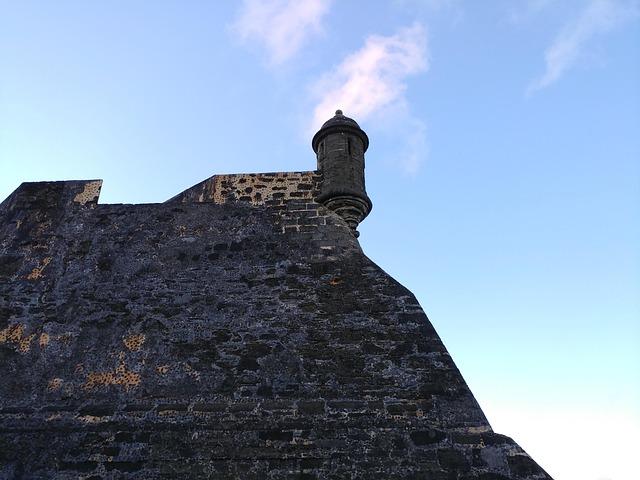
In the heart of the Caribbean lies Puerto Rico, a vibrant island with a rich cultural tapestry and a complex political status that has drawn the attention of scholars, activists, and policymakers alike. As a territory of the United States, Puerto Rico’s relationship with its mainland has been a subject of debate and contention for decades, raising questions about sovereignty, self-determination, and the rights of its people. This article delves into the unique status of Puerto Rico as a U.S. colony-exploring the implications of this designation in the context of current democratic debates, especially within the framework of the Democratic Socialists of America (DSA). As advocates for social justice and equality rally around issues of colonialism and imperialism, the case of Puerto Rico serves as a poignant example of the struggles faced by those living under an ambiguous political framework, illuminating the urgent calls for change from those on the island and their allies across the United States.
The Historical Context of Puerto Rico’s Colonial Status and Its Impact on Governance
The story of Puerto Rico’s colonial status dates back to 1898, when the island was ceded to the United States following the Spanish-American War. This marked the beginning of a complex relationship that has evolved over the years, yet remains marked by significant political and economic ramifications. Puerto Rico’s designation as a territory means that its residents are U.S. citizens but lack voting representation in Congress, a situation that continues to stir debates about democracy and self-determination. The island’s governance is influenced considerably by federal oversight, which often undermines local authority over essential matters such as taxation and public spending.
Moreover, the impact on governance is profound; Puerto Rico operates under a unique political framework that intertwines local statutes with U.S. federal law. Key factors influencing this relationship include:
- Political Status: The territory’s lack of statehood means limited participation in the U.S. democratic process.
- Economic Dependencies: Federal programs provide essential funding but also impose restrictions that often hinder local initiatives.
- Natural Disasters: Events like Hurricane Maria exposed the vulnerabilities of Puerto Rico’s governance structure, revealing the challenges of response coordination with federal authorities.
In light of these circumstances, local leaders and activists continue to advocate for a more equitable arrangement that respects Puerto Rico’s identity while providing the tools necessary for sustainable governance. Understanding this historical context is vital for grasping the island’s ongoing struggles for autonomy and self-representation, as these debates have become central to its political discourse.
Social and Economic Challenges Faced by Puerto Ricans Under U.S. Colonial Rule
Puerto Ricans have faced significant socio-economic challenges as a result of their status as a U.S. territory, often described as a colonial relationship. Unemployment and underemployment rates are persistently high, leading to a reliance on low-wage jobs and informal economies. The inequality in access to education and healthcare further exacerbates these issues. Key factors contributing to the struggles of the island’s residents include:
- Debt Crisis: Puerto Rico’s crippling debt has led to austerity measures that threaten public services and social programs.
- Migration: A significant outflow of Puerto Ricans to the U.S. mainland in pursuit of better opportunities has resulted in a drained workforce and declining population.
- Climate Vulnerability: The island’s geographical location makes it highly susceptible to natural disasters, destabilizing an already fragile economy.
The economic structure imposed by U.S. colonial rule has hindered Puerto Rico’s self-sufficiency, perpetuating a cycle of dependency. The island’s sovereignty is encumbered by laws that favor U.S. corporations while limiting local business growth. Notable aspects of this economic environment include:
| Economic Factor | Impact |
|---|---|
| REITs and Tax Incentives | Favor offshore investments but neglect local development. |
| Federal Aid Limitations | Inability to access the same level of funding as U.S. states. |
| Trade Restrictions | Hinders exports and inflates costs for goods and services. |
A Path Forward: Recommendations for Political Reforms and Increased Autonomy for Puerto Rico
To address the pressing issues faced by Puerto Rico, it is crucial to implement a series of political reforms that prioritize the people of the island while acknowledging its unique cultural identity. Some key recommendations include:
- Formalizing Autonomy: Transitioning Puerto Rico to a more autonomous political status that recognizes its right to self-determination.
- Decentralized Governance: Establishing a local constitutional assembly to empower Puerto Ricans to draft their own laws and governance structures, promoting greater participation in the political process.
- Economic Redistribution: Implementing economic policies that prioritize local industries, support small businesses, and create sustainable job opportunities.
Additionally, it is essential to enhance the democratic processes within the Commonwealth to ensure that the voices of all citizens are heard. Recommendations for improving electoral integrity and accessibility include:
- Voting Rights Protection: Enacting stronger measures to safeguard voting rights, combat disenfranchisement, and ensure fair representation in all electoral processes.
- Public Engagement: Increasing investment in civic education and public forums to engage citizens in policy discussions and decision-making.
- Transparent Governance: Promoting transparency by mandating public access to government documents and fostering accountability in public offices.
To Wrap It Up
In conclusion, the status of Puerto Rico as a U.S. territory continues to evoke strong sentiments and drive political discourse, particularly among organizations like the Democratic Socialists of America. The island wrestles with critical challenges, from economic instability to social justice issues, all while grappling with its complex identity as both a U.S. colony and a vibrant Caribbean culture. As discussions about self-determination, statehood, and independence gain momentum, the voices calling for change grow louder. The future of Puerto Rico remains uncertain, yet the resilience of its people and the ongoing advocacy for equality and representation signal a pivotal moment in the island’s history. As we reflect on this intersection of colonial legacy and modern aspirations, it becomes clear that the situation in Puerto Rico deserves attention and action from both local and national leaders. Only through informed dialogue and a commitment to justice can a more equitable and hopeful future be forged for all Puerto Ricans.

