
Introduction:
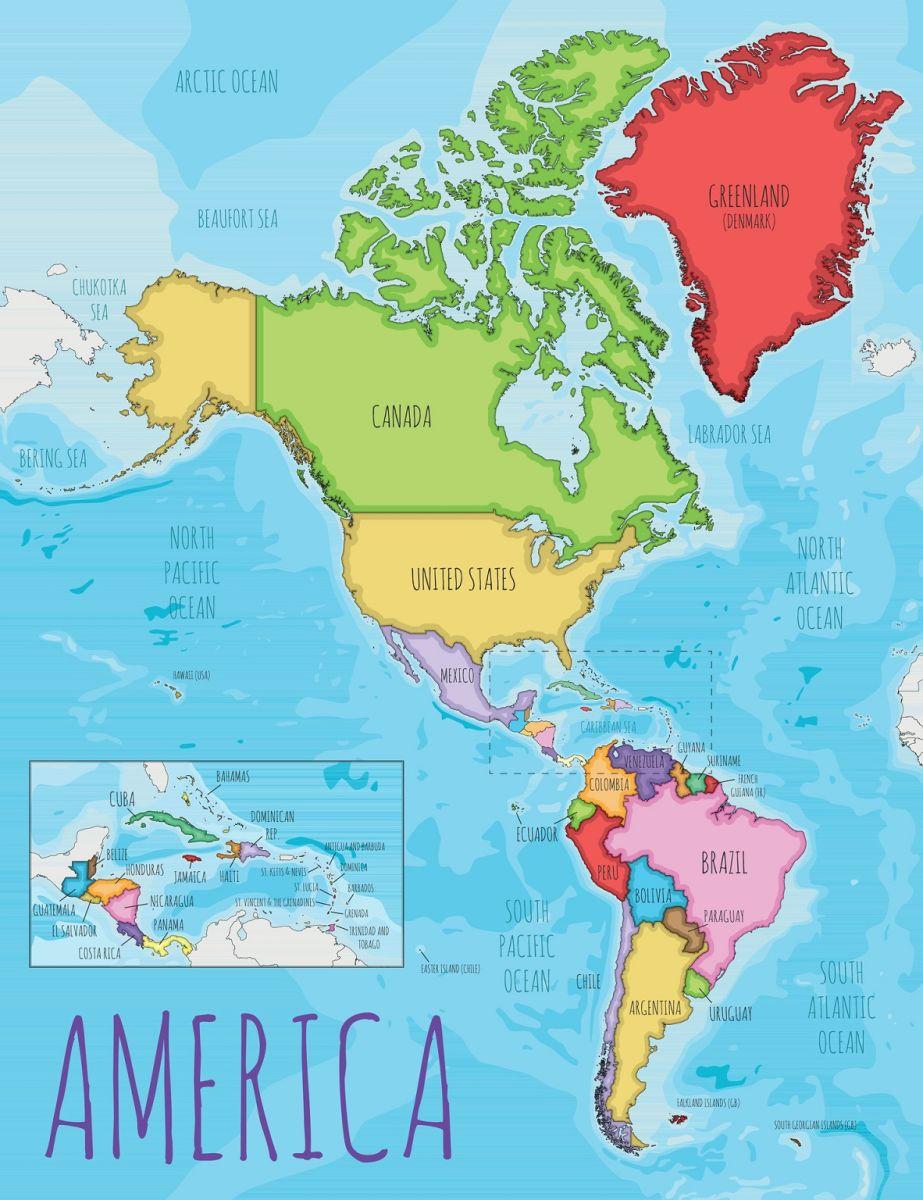
As geopolitical tensions rise between the United States and Venezuela, the small South American nation of Guyana finds itself caught in a complex web of diplomatic and economic pressures. With its rich reserves of oil and strategic location, Guyana has emerged as a focal point in this unfolding drama, drawing the attention of both superpowers. In this opinion piece, we explore the implications of America’s increasing involvement in the region, Venezuela’s assertive claims over Guyanese territory, and the delicate balancing act that Georgetown must navigate. As the stakes escalate, Guyana’s sovereignty and future prospects are placed at the forefront of a broader regional conflict, leaving its leaders and citizens to ponder the best path forward amidst external pressures and internal challenges.
Navigating Geopolitical Tensions: The Impact of U.S.-Venezuelan Relations on Guyana’s Stability
The recent escalation of tensions between the United States and Venezuela has placed Guyana in a precarious position. With its geographical proximity to Venezuela and the potential for conflict spilling across borders, Guyana is forced to navigate a complex landscape where diplomatic relations are crucial for its national security and economic interests. The ongoing oil exploration in Guyana’s territorial waters has heightened the stakes, bringing international eyes to the region and provoking more aggressive posturing from Venezuela, which has long claimed parts of Guyana’s territory. Guyana must strategically manage its alliances, balancing economic cooperation with U.S. interests while maintaining a cautious stance towards its neighbor to the west.
Amidst these geopolitical tensions, the potential consequences for Guyana’s domestic stability are significant. Key factors at play include:
- Economic dependence on oil exports: Guyana’s burgeoning oil sector is vital for its economic growth, attracting U.S. investments that could be jeopardized by regional unrest.
- Social cohesion: Any conflict could exacerbate internal divisions, as national identity becomes a focal point against foreign threats.
- Foreign influence: The growing presence of U.S. military and diplomatic personnel could create local apprehensions about sovereignty and independence.
| Factors | Impact on Guyana |
|---|---|
| Oil Exploration | Boosts economic growth but increases risks of conflict |
| Government Alliances | Need to balance U.S. relations with regional diplomacy |
| Social Stability | Threats of polarization in the face of foreign aggression |
Strategic Diplomacy: Recommendations for Guyana to Enhance Its Position Amid Regional Rivalries
Amid the escalating tensions between the United States and Venezuela, Guyana finds itself in a precarious position that necessitates a recalibration of its foreign policy strategies. To navigate these turbulent waters effectively, it is crucial for the government to adopt a multifaceted approach that encompasses diplomatic engagement, regional cooperation, and assertive representation of its national interests. Key recommendations include:
- Strengthening Bilateral Relations: Guyana should prioritize enhancing diplomatic ties with both the U.S. and Venezuela, fostering dialogues that focus on mutual interests while discreetly addressing contentious issues.
- Regional Collaboration: Forming strategic alliances with neighboring countries through organizations like CARICOM can amplify Guyana’s voice regarding maritime disputes, ensuring it does not stand alone.
- Engaging in International Forums: Actively participating in forums such as the United Nations will provide Guyana a platform to advocate for its rights and gain support from the international community.
Additionally, Guyana must leverage its rich natural resources and emerging economic potential to establish itself as a pivotal player in regional trade and security discussions. By advancing its economic interests through sustainable development initiatives, the country can create a more balanced power dynamic in the region. Strategies should include:
- Promoting Energy Partnerships: Working on joint ventures with neighboring countries in the oil and gas sectors can foster economic interdependence and lessen the likelihood of conflict.
- Investment in Defense Capabilities: Enhancing its defensive capabilities will not only deter aggressions but also signal to both larger powers that Guyana is prepared to protect its sovereignty.
- Public Diplomacy Campaigns: Increasing efforts in public diplomacy to inform both local and international audiences about Guyana’s position can help garner wider support.
Economic Opportunities and Challenges: Leveraging Guyana’s Oil Boom in a Divided Landscape
The recent discovery of vast oil reserves off the coast of Guyana has ushered in a new era of economic potential, promising substantial revenue streams and foreign investment. However, this burgeoning sector is juxtaposed against a backdrop of political divisions and historical tensions within the region. To maximize the benefits of its oil boom, Guyana must navigate a complex landscape marked by economic opportunities and significant challenges. The government faces pressure to implement robust regulatory frameworks that ensure environmental sustainability and equitable distribution of wealth, as locals remain wary of the foreign companies capitalizing on their resources.
In this context, it is crucial for Guyana to balance its relationships with both the United States and Venezuela, two nations whose interests in the region often clash. The potential for conflict looms large, given Venezuela’s territorial claims over parts of Guyana. To mitigate risks and foster a stable investment climate, Guyana must take proactive steps, including:
- Engaging diplomatic discussions to resolve territorial disputes amicably.
- Investing in infrastructure to support oil extraction and transportation safely.
- Promoting local content requirements that prioritize Guyanese businesses and labor.
This careful navigation will not only help protect the nation’s sovereignty but also ensure that Guyana’s citizens benefit directly from the oil wealth. As the country steps into the spotlight with its newfound resources, prioritizing strategic planning and inclusive policies will be key to fostering sustainable growth amid regional tensions.
Closing Remarks
In conclusion, the geopolitical tensions between the United States and Venezuela have cast a significant shadow over Guyana, placing the nation at a precarious crossroads. As both powers vie for influence in the region, Guyana finds itself navigating a complex landscape of diplomacy and economic opportunity. The stakes are high, with potential implications for national sovereignty and regional stability. As developments unfold, it remains crucial for Guyana to assert its interests while balancing the pressures from external forces. The international community will be watching closely, as the choices made today will undoubtedly shape the future of not just Guyana, but the entire Caribbean landscape.











