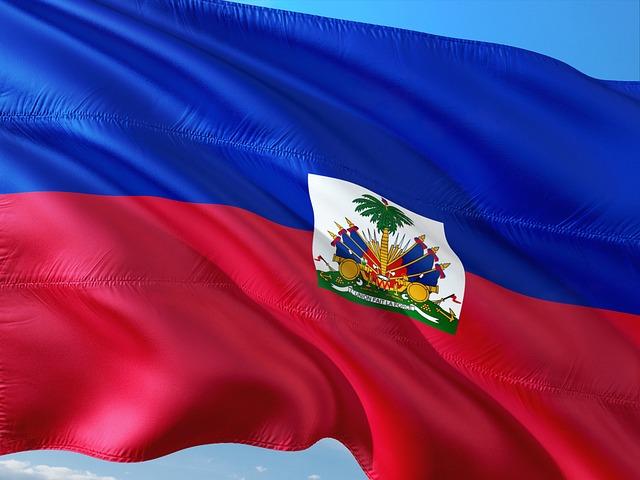
In a poignant address at the United Nations General Assembly (UNGA), Haiti has raised alarm bells regarding the escalating humanitarian crisis gripping the nation, deeming it a “human tragedy at the doorstep of America.” As the Caribbean nation grapples with severe political instability, widespread violence, and dire economic conditions, officials implored the international community to acknowledge the urgent need for support and intervention. With thousands of Haitians fleeing their homes amid mounting gang violence and a breakdown of law and order, the Haitian government’s plea serves as a stark reminder of the complex challenges facing the region and the potential implications for neighboring countries, particularly the United States. This article delves into the key issues outlined in Haiti’s warning, the broader context of the crisis, and the pressing implications for regional stability and humanitarian efforts.
Haiti’s Plea to the World: The Humanitarian Crisis Unfolding Nearby
The dire situation in Haiti has reached a critical juncture, as the country grapples with a profound humanitarian crisis that is increasingly drawing the attention of the international community. In a compelling address to the United Nations General Assembly, Haitian leaders underscored the urgent need for assistance, emphasizing that what they face is not merely a national issue but a regional concern, particularly for countries like the United States that are geographically close. The ongoing violence, compounded by natural disasters and political instability, has left thousands of Haitians without access to basic necessities. Amid this turmoil, the government has called for increased humanitarian aid and international support to stem the tide of suffering.
Key issues highlighted in Haiti’s call for help include:
- Food Insecurity: Over 4.9 million people are estimated to be in need of immediate food assistance.
- Healthcare Crises: A lack of adequate medical facilities has resulted in limited access to crucial health services, intensifying the plight of vulnerable populations.
- Displacement: The continuous cycle of violence has displaced thousands, leading to overcrowded and unsanitary living conditions.
The Haitian government is seeking:
| Request | Description |
|---|---|
| Increased Humanitarian Aid | Immediate delivery of food, medicine, and shelter to affected communities. |
| International Security Assistance | Support in stabilizing the region to protect civilians and restore order. |
| Long-term Development Plans | Investment in infrastructure and governance to prevent future crises. |
As the situation unfolds, Haiti’s desperate plea serves as a reminder of the profound human tragedy occurring just outside the borders of more affluent nations. The time for decisive action is now, as failure to address these issues risks further destabilization in the region and beyond.
Addressing the Urgency: Key Insights into Haiti’s Struggles and Global Responsibility
Haiti, a nation grappling with multi-faceted crises, stands at a precarious crossroads. As political instability, economic turmoil, and escalating violence continue to ravage the country, the message delivered to the United Nations General Assembly resonates with urgency. Officials have eloquently articulated that the situation in Haiti isn’t merely a local issue but a looming humanitarian crisis that could have far-reaching implications, particularly for neighboring nations. The nation’s representatives emphasized the need for immediate global attention, warning of a potential humanitarian catastrophe that demands a robust and coordinated international response.
Key insights into Haiti’s struggles reveal a landscape marred by severe challenges, including:
- Widespread poverty: Over half of the population lives below the poverty line, leading to dire living conditions.
- Increased gang violence: The rise of armed groups has exacerbated insecurity, rendering large areas of the country unsafe.
- Food insecurity: A dire food crisis has emerged, with millions facing acute hunger as agricultural production dwindles.
Addressing these issues requires not only immediate humanitarian aid but also long-term investment in strengthening governance and fostering economic opportunities. A collaborative global strategy is crucial to prevent further deterioration of the situation and to promote sustainable development initiatives that empower the Haitian people.
Path Forward: Recommended Actions for the International Community to Aid Haiti
The international community must respond urgently to the situation in Haiti, marked by escalating violence, political instability, and humanitarian crises that threaten the lives of millions. Key actions should include the deployment of a UN peacekeeping force dedicated to stabilizing the country, ensuring the safety of citizens, and fostering an environment conducive to humanitarian aid delivery. Furthermore, financial assistance is crucial; international donors should commit to a structured and transparent aid package focused on rebuilding infrastructure, supporting local governance, and enhancing public health systems.
In tandem with security and financial support, it is imperative to foster inclusive dialogue among all Haitian stakeholders. The international community should facilitate peace negotiations that aim to establish a unified front against gang violence and corruption. Capacity-building initiatives can empower local institutions and civil society organizations, cultivating a resilient societal fabric capable of addressing both short-term needs and long-term development. To effectively coordinate these efforts, the creation of a donor accountability framework is essential, ensuring that aid reaches those who need it most while promoting transparency and efficiency in the use of resources.
To Wrap It Up
In conclusion, Haiti’s stark warning to the United Nations General Assembly emphasizes the urgent humanitarian crisis unfolding within its borders, a situation that could have far-reaching implications for the United States and the broader international community. As the country grapples with violence, political instability, and crippling poverty, the call for immediate intervention and support serves as a reminder of the interconnectedness of global issues. The urgency of Haiti’s plea highlights the moral obligation of neighboring nations and the international community to act decisively in addressing the escalating crisis. As debates unfold within the UNGA, the world will be watching to see whether the urgency of this ‘human tragedy at the doorstep of America’ is met with the appropriate level of response and support to alleviate the suffering of the Haitian people.