
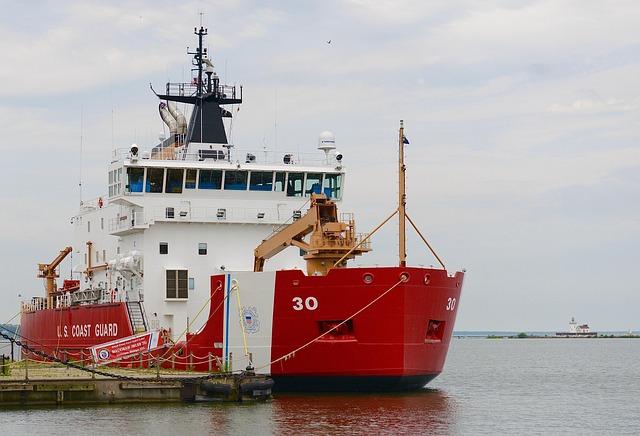
In a significant development in the ongoing geopolitical tensions surrounding Venezuela, U.S. authorities have seized a vessel in international waters off the country’s coast, according to officials. The operation, which underscores the United States’ commitment to countering illegal activities in the region, has raised questions about maritime security and international law. As the U.S. ramps up its enforcement against what it deems illicit operations linked to the Venezuelan government, this incident highlights the complexity of navigating the waters of international diplomacy and enforcement. This article examines the implications of the vessel seizure, the context of U.S.-Venezuela relations, and the broader impact on regional stability.
US Coast Guard Operation Highlights Growing Tensions in Venezuela’s Waters
Recent actions by the US Coast Guard have underscored the escalating tensions in Venezuelan waters, further complicating an already fraught geopolitical landscape. Following the seizure of a vessel just outside Venezuela’s territorial waters, officials have cited concerns over illegal narcotics trafficking and maritime security. This operation is part of a broader strategy to counteract what the US believes to be Venezuela’s growing influence in the region, particularly as the country faces increasing isolation on the international stage. The vessel’s seizure demonstrates the rising stakes in these maritime operations and the ongoing battle against drug smuggling networks that are believed to operate from Venezuelan shores.
The implications of such actions are manifold, raising questions about sovereignty and international maritime law. Local Venezuelan authorities have criticized the US for what they deemed aggressive maneuvers, describing them as violations of national rights. As tensions peak, analysts are concerned that further naval encounters could lead to dangerous confrontations. The situation remains fluid, and stakeholders in the region are urged to carefully assess the unfolding dynamics:
- Increased US military presence: Enhanced patrols in international waters may provoke further crises.
- Venezuela’s response: Potential retaliatory actions could escalate naval clashes.
- Impact on regional relationships: Neighboring countries may have to navigate the fallout of heightened US-Venezuela tensions.
Implications of Vessel Seizure for International Maritime Law
The recent seizure of a vessel by the United States in international waters near Venezuela has reignited discussions regarding the interpretation and enforcement of international maritime law. This incident raises crucial questions about the extent of a nation’s authority to act in waters that are traditionally regarded as under international jurisdiction. Experts point out that while international waters are generally free from territorial claims, the actions taken by the US could set a precedent wherein nations may feel empowered to assert their jurisdiction over maritime affairs in ways that could lead to escalating tensions.
In light of this development, various implications for international maritime law emerge, including:
- Jurisdictional Overreach: The possibility of legal disputes arising from perceived overreach by nations in enforcing their laws beyond their territorial waters.
- Precedent Setting: The establishment of new norms regarding how states can interact in high seas could lead to increased military presence and enforcement actions.
- Regional Stability: Heightened military operations in contested waters may destabilize relations among neighboring countries and lead to conflict.
Furthermore, the international community may need to reassess the mechanisms through which disputes in international waters are resolved. The following table illustrates key areas where maritime law could see shifts due to this incident:
| Area of Law | Potential Shift |
|---|---|
| Freedom of Navigation | Increased enforcement actions potentially limiting access |
| Treaty Obligations | Reevaluation of compliance with maritime treaties |
| Dispute Resolution | Rise in arbitration cases related to maritime claims |
Strategic Recommendations for US and Allies in Addressing Venezuelan Maritime Activities
In light of recent developments involving the seizure of a vessel in international waters off Venezuela’s coast, it is crucial for the United States and its allies to adopt a multifaceted approach to counter Venezuela’s maritime activities. Key strategies should include enhanced surveillance and intelligence-sharing operations aimed at pinpointing illicit maritime movements. By leveraging cutting-edge technology and collaborating with regional partners, the US can bolster maritime domain awareness. The following measures are recommended:
- Increase Collaboration: Partner with neighboring countries to establish a coordinated maritime patrol system.
- Resource Sharing: Provide technical and operational support to allied nations to improve their maritime enforcement capabilities.
- Dialogue with Regional Organizations: Engage with the Organization of American States (OAS) to promote collective security initiatives.
Additionally, a focus on economic and diplomatic pressure may yield significant results. The US should explore expanding sanctions targeting entities involved in Venezuelan maritime trade, particularly those facilitating the shipment of contraband goods. Complementing this approach with a robust public diplomacy campaign can help counteract Venezuelan narratives while garnering support for intervention from other nations. Effective actions could include:
| Strategy | Expected Outcome |
|---|---|
| Expanding Sanctions | Disrupt key supply chains and weaken economic foundations |
| Public Diplomacy | Rally international support against Venezuelan maritime policies |
Concluding Remarks
In summary, the recent seizure of a vessel in international waters off the coast of Venezuela underscores the escalating tensions in the region and highlights the complexities of maritime law enforcement. As U.S. officials continue to address issues related to narcotics trafficking and other illegal activities, this incident serves as a critical reminder of the ongoing geopolitical dynamics at play. The implications of this action could ripple throughout the international community, prompting discussions about sovereignty, security, and the role of foreign intervention in the region. As developments unfold, the global audience will be closely monitoring how these events might reshape diplomatic relations and maritime policies in the Americas.









