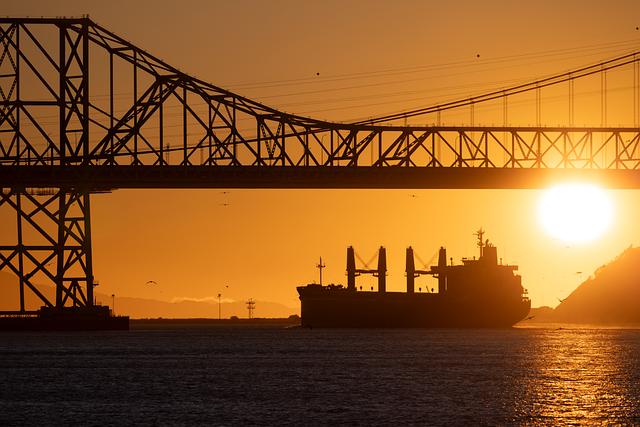
In a significant escalation of tensions between the United States and Venezuela, U.S. authorities have seized an oil tanker off the Venezuelan coast, highlighting the ongoing conflicts over energy resources and international sanctions. The operation, which took place amidst heightened scrutiny of Venezuela’s oil exports, underscores the Biden administration’s commitment to enforcing sanctions against the Maduro regime, aimed at curtailing its revenue streams. This latest development not only reflects the intricate dynamics of U.S.-Venezuela relations but also raises questions about the future of oil trade in the tumultuous waters of the Caribbean. As both nations grapple with economic challenges and political strife, the implications of this seizure reverberate well beyond their borders, impacting regional stability and global energy markets.
US Naval Intervention Disrupts Venezuelan Oil Smuggling Operations
The U.S. Navy has successfully intercepted an oil tanker off the coast of Venezuela, marking a significant move in disrupting illicit oil smuggling operations linked to the Maduro regime. The operation was part of a broader initiative to combat what U.S. officials describe as a systematic effort to evade sanctions through the exportation of Venezuela’s oil. In recent months, the tanker, reportedly carrying barrels of crude oil bound for unknown destinations, had become a focal point in the ongoing struggle to curb Venezuela’s economic delinquency. This intervention not only demonstrates the U.S. military’s commitment to enforcing economic sanctions but also sends a stark message to other nations considering similar clandestine routes for oil transportation.
The U.S. decision to intervene reflects escalating tensions in the region, where illicit oil sales have reportedly funded various destabilizing activities. Key points regarding the seizure include:
- Targeted Operations: The naval forces have concentrated on vessels suspected of smuggling oil, conducting surveillance and timely interventions.
- International Cooperation: This operation has involved collaboration with allied nations to monitor and control maritime traffic in the region.
- Impact on Venezuela: The downturn in oil revenues is expected to pressure the Maduro government further, potentially exacerbating social and economic unrest.
| Aspect | Details |
|---|---|
| Operation Type | Military Intervention |
| Tanker Status | Seized |
| Purpose | Disrupt Oil Smuggling |
| U.S. Strategy | Enforce Sanctions |
Implications for International Trade and Regional Geopolitics
The recent seizure of an oil tanker off the coast of Venezuela by U.S. authorities highlights significant shifts in international trade dynamics and the ongoing geopolitical tug-of-war in the region. As the United States reasserts its position in global oil markets, it is sending a clear message not only to Venezuela but to other nations that may be tempted to engage in trade with regimes under U.S. sanctions. This action could lead to increased tensions, potentially isolating Venezuela further and affecting its oil exports, which are crucial for its economy.
Furthermore, the ramifications of this incident extend beyond Venezuela, impacting relationships with countries such as Russia and China, who have shown support for the Maduro government. The incident may trigger a recalibration of alliances and trade agreements in Latin America, as nations assess their economic dependencies and foreign policy objectives. Potential effects include:
- Heightened tensions: Increased military and diplomatic posturing may occur as nations react to U.S. enforcement of sanctions.
- Shift in trade routes: Countries may seek alternative partners for oil supply, altering existing trade routes and partnerships.
- Regional instability: Economic hardships for Venezuela could lead to increased emigration and social unrest, impacting neighboring countries.
Strategies for Addressing Maritime Security in Latin America
The recent seizure of an oil tanker off the Venezuelan coast by U.S. authorities underscores the pressing need for enhanced maritime security protocols in Latin America. Regional collaboration is paramount to thwart illicit activities such as drug trafficking, human smuggling, and unauthorized fishing. Initiatives could involve countries sharing intelligence and resources to bolster surveillance and enforcement capabilities. Conducting joint maritime exercises among regional navies and coast guards can improve operational readiness and foster better communication. Furthermore, establishing multinational task forces dedicated to maritime security can multiply the effectiveness of regional strategies while allowing for a more unified response to threats.
In addition to collaboration among nations, it’s crucial to invest in technology and infrastructure that supports maritime security efforts. This includes integrating modern surveillance systems, such as drones and satellite imaging, to monitor vast ocean territories effectively. Countries should also prioritize training programs focused on best practices in maritime law enforcement. The following table highlights potential strategies and their respective benefits:
| Strategy | Benefit |
|---|---|
| Intelligence Sharing | Enhanced threat detection and prevention |
| Joint Naval Exercises | Improved operational coordination |
| Advanced Surveillance Tech | Real-time monitoring of maritime activities |
| Training for Enforcement Agencies | Increased effectiveness in law enforcement |
The Way Forward
In conclusion, the recent seizure of an oil tanker off the coast of Venezuela marks a significant escalation in the ongoing tensions between the United States and the Maduro government. This operation underscores the U.S. commitment to enforcing sanctions aimed at curbing illicit oil trade and reducing the flow of revenue to the Venezuelan regime. As both nations respond to this development, the implications for international maritime law, regional security, and the global oil market remain to be seen. With calls for further action and increased scrutiny on Venezuelan oil exports, the situation is likely to evolve, warranting close attention from policymakers and analysts alike.