
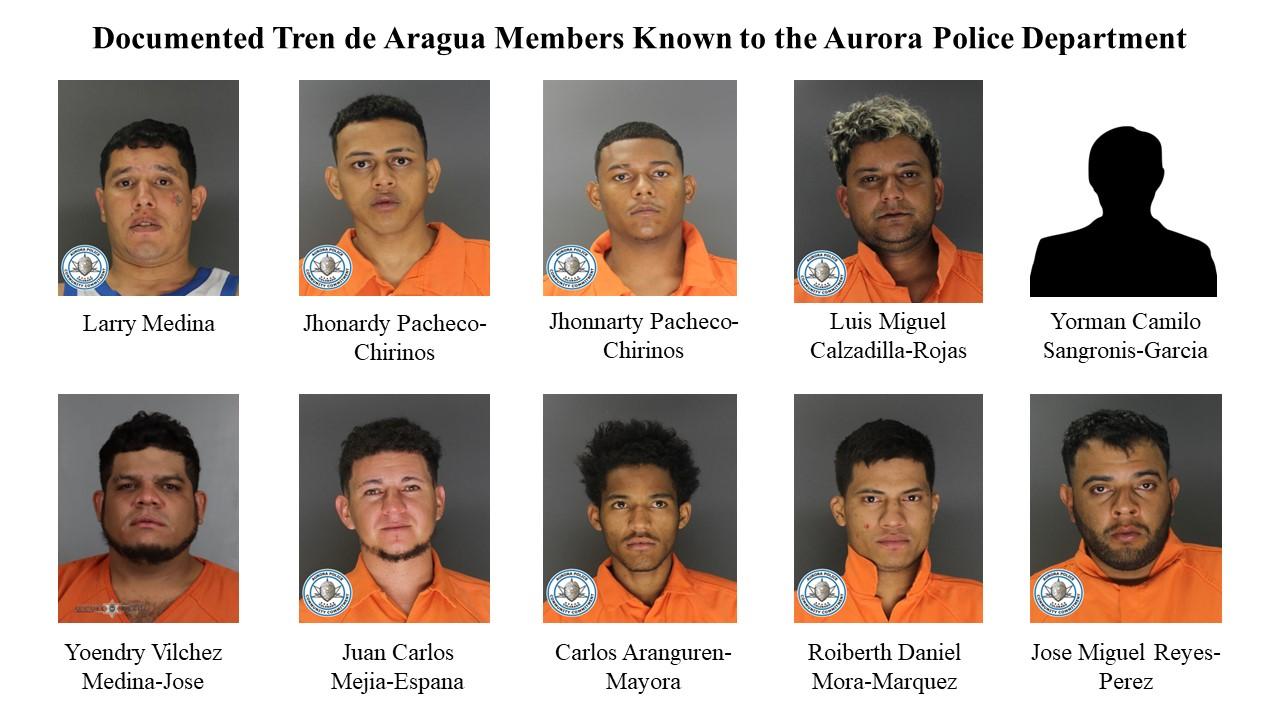
Title: “Who is Tren de Aragua? The Venezuelan Mafia Gang Making Inroads into America”
In recent months, the name Tren de Aragua has surfaced alarmingly in news reports, as this notorious Venezuelan gang expands its influence far beyond the borders of its origin. Established in the heart of Venezuela, Tren de Aragua has evolved from a local criminal entity into a transnational organization, engaging in a range of illicit activities including drug trafficking, extortion, and human smuggling. With their operations now reaching into the United States, authorities and communities are becoming increasingly concerned about the consequences of this expansion. This article delves into the history, operations, and the implications of Tren de Aragua’s growing presence in America, shedding light on a criminal phenomenon that poses a significant challenge to law enforcement and public safety.
Understanding the Rise of Tren de Aragua and Its Impact on U.S. Communities
The rapid expansion of Tren de Aragua, a notorious mafia gang originating from Venezuela, has raised alarm bells across various U.S. communities. This organization is not merely a violent criminal syndicate; it embodies a complex web of organized crime that includes human trafficking, drug smuggling, and extortion. The gang has exploited the economic distress and social upheaval prevalent in Venezuela, capitalizing on the growing diaspora seeking refuge in the United States. Their infiltration into American cities is marked by a shift in criminal dynamics, where traditional street gangs find themselves adapting to the sophisticated tactics employed by Tren de Aragua.
As the group establishes its foothold, its impact on local communities has become evident. The rise of Tren de Aragua has prompted law enforcement agencies to reassess their strategies, leading to increased collaboration across state lines and federal support. A few key aspects of their influence include:
- Increased Violence: An uptick in violent crimes associated with turf wars, as they assert dominance over existing gangs.
- Drug Trafficking Routes: New distribution networks that threaten local markets.
- Community Displacement: Increased fear and cultural changes in neighborhoods due to gang presence.
| Aspect | Impact |
|---|---|
| Community Safety | Decreased perceived safety among residents |
| Local Economy | Potential decline due to fear of crime |
| Law Enforcement | Increased budgets needed for gang-related crimes |
Inside the Operations of Tren de Aragua: Tactics and Territories Explored
The operations of Tren de Aragua reveal a complex web of tactics employed to establish and expand their influence across various territories. Primarily based in Venezuela, the gang exploits regional weaknesses, leveraging corruption and intimidation to secure operational control. Their strategic model is characterized by a multi-tiered hierarchy that enables efficient communication and resource management, ensuring that orders can rapidly disseminate from the top down to localized cells. The gang also has shown an ability to adapt to local environments, forming alliances with other criminal organizations to bolster their reach and operational effectiveness.
Geographically, Tren de Aragua has expanded its footprint into multiple Latin American countries and even into the United States, targeting vulnerable communities. Key territories include:
- Colombia: Utilization of border towns for drug trafficking.
- Peru: Engaging with local gangs.
- Miami: Establishing cells to facilitate drug distribution.
Through the exploitation of human trafficking, extortion, and drug smuggling, they have become a significant threat not only in their native Venezuela but also in the broader region. Their operational tactics combine violence with calculated economic strategies, targeting industries and communities with high profit margins, thus embedding themselves deeper into the fabric of illicit commerce.
Preventive Measures: How Authorities Can Combat the Spread of Transnational Gangs
The emergence of transnational gangs like Tren de Aragua underscores the urgent need for coordinated preventive strategies among authorities across borders. Law enforcement agencies must enhance intelligence-sharing mechanisms to foster real-time collaboration. By establishing joint task forces, agencies can pool resources and expertise, creating a united front against the multifaceted threats posed by these criminal organizations. Additionally, community engagement programs are vital; empowering local neighborhoods to recognize and report suspicious activities can serve as the first line of defense against gang infiltration.
Moreover, investing in youth intervention initiatives is essential for long-term prevention. Authorities should fund after-school programs, vocational training, and mentorship opportunities that provide alternatives to gang affiliation. Effective legislative frameworks must also be enacted to address the socioeconomic roots of gang violence, offering support for rehabilitation and reintegration into society. By promoting multi-sectoral cooperation-involving education, health, and labor institutions-governments can combat the allure of gangs like Tren de Aragua through proactive, comprehensive strategies that promote safety and stability.
Closing Remarks
In conclusion, the emergence of Tren de Aragua as a formidable presence in the Americas marks a concerning shift in the landscape of organized crime. As this Venezuelan mafia gang continues to extend its reach beyond its borders, the implications for law enforcement and public safety are profound. The gang’s involvement in various illicit activities highlights the complexities of transnational crime and the challenges faced by authorities in curbing such operations. As the situation evolves, it remains imperative for both local and international entities to remain vigilant and proactive in addressing the threats posed by Tren de Aragua. The story is far from over, and as this notorious group ventures deeper into new territories, the global community must prepare for the consequences of their actions. Gazeta Express will continue to monitor this unfolding situation, providing updates and insights into the ongoing battle against organized crime in the region.











