
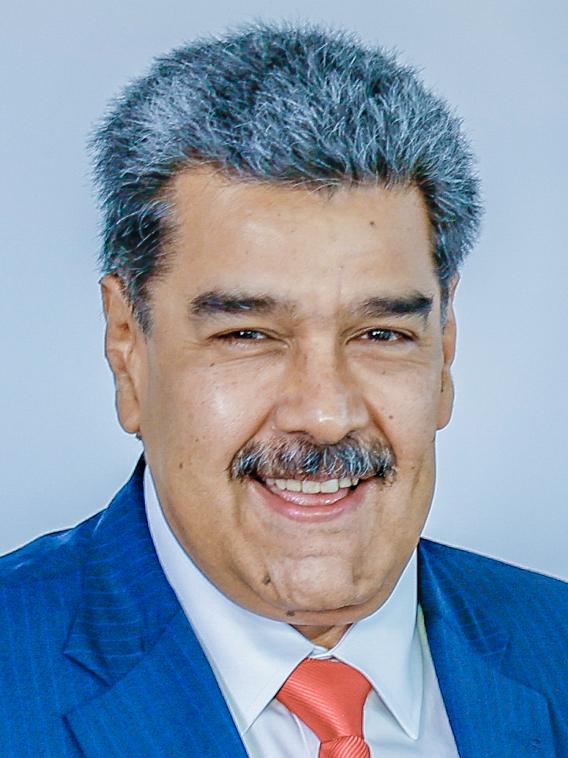
In a striking display of political mobilization, Venezuelan President Nicolás Maduro has rallied an estimated eight million citizens to join a campaign against what he terms U.S. imperialism. This significant turnout, showcased in rallies across the nation, underscores the embattled leader’s efforts to galvanize support amidst ongoing economic turmoil and international sanctions. Maduro’s calls for national unity come as Venezuela grapples with a complex political crisis and diminishing resources, suggesting a strategic attempt to redirect public sentiment and solidify his power in the face of external pressures. As tensions escalate between Caracas and Washington, this massive mobilization may signal a pivotal moment in Venezuela’s tumultuous political landscape.
Maduro’s Mobilization Strategy: Engaging the Masses Against U.S. Sanctions
In a striking show of solidarity, President Nicolás Maduro has successfully mobilized approximately 8 million Venezuelans to voice their opposition against U.S. sanctions. This strategic initiative not only serves to bolster national pride but also aims to create a powerful front against perceived external aggression. Maduro’s administration has emphasized the importance of community engagement, employing various grassroots campaigns that resonate with citizens’ daily struggles against economic challenges exacerbated by sanctions. By portraying these measures as attacks on Venezuela’s sovereignty, Maduro aims to unify the populace in resistance, fostering a sense of collective identity amidst adversity.
The mobilization has harnessed a mix of traditional and modern communication strategies, including social media campaigns, community gatherings, and televised rallies, to amplify the message. Through these efforts, Maduro’s regime seeks not only to reinforce its political legitimacy but also to encourage active participation in defending national interests. To highlight the ongoing impact of U.S. sanctions, government representatives have presented data showcasing critical areas suffering from international restrictions. The following table illustrates some of the significant sectors facing challenges due to these sanctions:
| Sector | Impact of Sanctions |
|---|---|
| Healthcare | Shortages of medical supplies and medications |
| Food Production | Reduced agricultural imports leading to food scarcity |
| Oil Industry | Decline in production and revenue |
| Infrastructure | Halted projects and lack of funding |
This comprehensive approach not only fortifies the government’s stance against foreign interference but also attempts to pivot blame for economic hardships back onto external powers, specifically the U.S. By framing the dialogue in terms of resilience and determination, Maduro aims to enhance public morale and foster a cooperative spirit among local communities, reinforcing the narrative that unity is key to overcoming external pressures.
Analyzing the Impacts of a Unified Front: Venezuelan Nationalism vs. Foreign Interference
The recent rally, which saw over 8 million Venezuelans take to the streets in support of President Nicolás Maduro, reflects a growing sentiment of nationalism intertwined with anti-imperialist rhetoric. Participants expressed their intention to unite against perceived foreign interference, particularly from the United States, which has been a longstanding critic of the Venezuelan government. This mobilization served as a platform for Maduro to reinforce his narrative of national sovereignty, framing the struggle as one against foreign domination. Social media platforms buzzed with hashtags promoting solidarity among citizens, as various community leaders urged participation and resistance against external pressures.
The overwhelming turnout highlights the complexities of Venezuelan identity in the face of external threats. The rally encompassed a spectrum of demographics, suggesting a collective desire for self-determination. The government’s ability to galvanize such numbers indicates a resurgence of national pride, serving both as a counter-narrative to foreign critiques and as a political lifeline for Maduro’s administration. While some analysts question the genuineness of this support amidst economic hardships, others assert that the rally symbolizes a critical moment for Venezuelans to assert their autonomy in a world that often views them through the prism of conflict and turmoil. Below is a simplified representation of public sentiment reflected during the rally:
| Sentiment Type | Percentage of Respondents |
|---|---|
| Support for Nationalism | 65% |
| Opposition to Foreign Interference | 72% |
| Desire for Economic Stability | 58% |
Recommendations for International Stakeholders: Navigating the Complexities of U.S.-Venezuela Relations
As tensions continue to heighten between the U.S. and Venezuela, international stakeholders must adopt a multifaceted approach to navigate this increasingly complex diplomatic landscape. It is crucial to engage in thorough diplomatic dialogues that foster understanding between all parties involved. This can be facilitated through regional summits, where stakeholders come together to discuss humanitarian concerns, economic sanctions, and political strategies. The establishment of neutral mediation bodies may also assist in bridging divides, potentially leading to better outcomes for both nations and the wider Latin American region.
Furthermore, stakeholders should consider implementing targeted initiatives that promote stability and development in Venezuela. Key recommendations include:
- Supporting civil society organizations that aim to improve local governance and human rights.
- Investing in sustainable economic projects that benefit the Venezuelan populace, independent of government affiliations.
- Encouraging open channels for humanitarian aid that can reach vulnerable populations affected by the crisis.
Adopting these strategies will not only help mitigate instability in Venezuela but also contribute to a more harmonious relationship with the U.S., paving the way for future cooperation in the region.
Concluding Remarks
In conclusion, Nicolás Maduro’s recent mobilization of eight million Venezuelans underscores a significant chapter in the ongoing confrontation between the Venezuelan government and the United States. This rally not only highlights the deep-seated sentiments of nationalism and resistance among his supporters but also serves as a stark reminder of the challenges facing Venezuela in a period marked by economic turmoil and political strife. As Maduro frames the U.S. as an external adversary, the implications for both domestic policy and international relations remain profound. As the country grapples with its future, the actions and rhetoric employed by the Maduro administration will be closely examined, leaving observers to ponder the potential consequences for both Venezuela and the broader region. As developments unfold, the world watches closely, anticipating the next move in this tense geopolitical landscape.









