
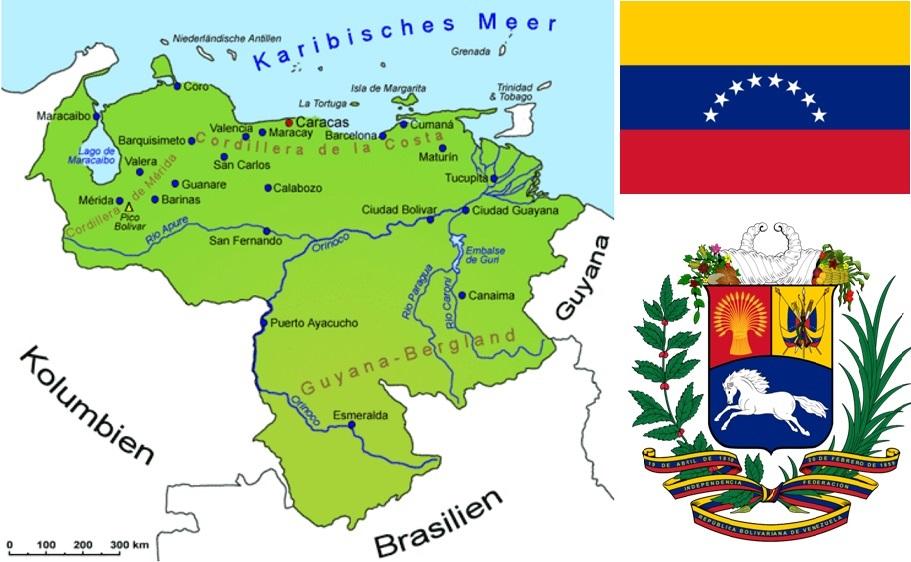
In a bold declaration that elevates tensions in an already fraught geopolitical landscape, Venezuelan President Nicolás Maduro has vowed to establish a “republic in arms” if U.S. military forces engage in any attacks against Venezuela from the Caribbean. The remarks come amid escalating rhetoric between the two nations, with Maduro accusing the United States of imperialist aggression and interference in Venezuela’s sovereignty. This announcement raises concerns about the potential for further military conflict in the region, as Maduro positions his regime as a bulwark against foreign intervention. The implications of such a stance are significant, potentially reshaping not only Venezuela’s internal dynamics but also its relationships with neighboring countries and global powers as the international community watches closely.
Maduro’s Ultimatum: A Defiant Stance Against U.S. Military Presence in the Caribbean
In a bold declaration that escalates tensions in the region, Venezuelan President Nicolás Maduro has insisted that any military strike from U.S. forces stationed in the Caribbean will be met with a robust response, which he termed the formation of a “republic in arms.” This response not only signals a refusal to bow to perceived external aggression but also underlines Maduro’s strategy of rallying nationalistic pride amid economic turmoil and international scrutiny. Addressing supporters during a nationally televised event, he emphasized Venezuela’s readiness to defend its sovereignty and denounced the U.S. military presence as provocative and a direct threat to peace in Latin America.
The Venezuelan leader outlined several points reflecting the nation’s resolve in the face of potential conflict:
- National Defense Initiatives: Enhanced military drills and readiness exercises to bolster defense capabilities.
- International Appeals: Seeking support from allied nations to denounce U.S. interventionist policies.
- Public Mobilization: Engaging the Venezuelan populace to demonstrate unity and resilience against foreign aggression.
With the Caribbean increasingly viewed as a geopolitical flashpoint, Maduro’s rhetoric may serve to galvanize both domestic support and rally international allies against perceived imperialism. The world watches closely as tensions rise, with the potential for conflict looming over a region already reeling from economic and political strife.
Analyzing the Implications of a “Republic in Arms” on Venezuela’s Domestic and Foreign Policy
The declaration of a “republic in arms” by President Nicolás Maduro reflects a significant shift in Venezuela’s approach to both domestic governance and international relations. As tensions with the United States escalate, particularly concerning military activities in the Caribbean, this rhetoric signals a potential increase in militarization within Venezuelan society. Key implications for domestic policy may include:
- Increased Military Spending: A redirect of national resources towards bolstering military capabilities, potentially at the expense of social programs.
- Heightened Nationalism: Cultivating a more nationalist narrative to unify citizens against external threats, which may further entrench the government’s power.
- Suppression of Dissent: A likely increase in state control over civil liberties and opposition movements, leveraging the “perceived threat” to justify strict measures.
On the international front, the vow to establish a “republic in arms” serves to solidify Venezuela’s position against perceived imperialist threats, particularly from the U.S. This militaristic strategy could reshape alliances, as nations in the region may feel compelled to either align with or distance themselves from Venezuela. Notable foreign policy implications may include:
- Strengthened Military Alliances: Pursuing cooperation with countries like Russia and China, potentially increasing arms supply and military training.
- Increased Tensions in Relations: A greater likelihood of confrontational diplomacy with the U.S. and its allies, leading to a volatile geopolitical landscape.
- Regional Response and Cooperation: Neighboring nations may need to respond diplomatically or militarily to counterbalance any escalations from Venezuela.
Strategic Recommendations for Diplomacy: Navigating Tensions Between Venezuela and the U.S
In light of the escalating tensions between Venezuela and the United States, diplomatic efforts must prioritize de-escalation strategies that can mitigate the risk of armed conflict. Engagement through dialogue should be the centerpiece of any strategic approach. Key recommendations include:
- Bilateral Talks: Establish regular channels for communication between U.S. and Venezuelan officials to address grievances and clarify intentions.
- Crisis Management Mechanisms: Implement real-time crisis management protocols to help prevent miscalculations that could lead to military confrontations.
- Regional Collaboration: Involve neighboring countries in negotiations to foster a more supportive and stable regional environment that can influence positive outcomes.
Additionally, it is crucial to address the socio-economic challenges facing Venezuela, as these contribute to the narratives of conflict. Economic sanctions should be evaluated through a humanitarian lens, seeking alternatives that promote sustainable development while engaging local communities. A possible framework for addressing economic pressures could include:
| Strategy | Potential Outcomes |
|---|---|
| Targeted Aid Programs | Improvement in local living conditions and reduced hostilities. |
| Partnerships with NGOs | Strengthened trust between the international community and Venezuelan citizens. |
| Economic Incentives for Cooperation | Motivation for Venezuela to engage constructively with U.S. interests. |
The Way Forward
In conclusion, President Nicolás Maduro’s declaration of a potential “republic in arms” underscores the escalating tensions between Venezuela and the United States amidst fears of military intervention. As Maduro rallies his supporters and fortifies his government’s stance against perceived external threats, the geopolitical dynamics in the Caribbean region remain precarious. This development not only intensifies the discourse surrounding Venezuela’s political future but also raises critical questions about international relations and regional security. Observers will be closely monitoring how both the U.S. and Venezuelan governments navigate this charged atmosphere in the days ahead.









