Montserrat: Living with a Volcano – A Delicate Balance of Coexistence
In the Caribbean, the small island of Montserrat stands as a testament to resilience and adaptability in the face of natural disaster. Once flourishing with tourism and agriculture, Montserrat has been profoundly shaped by the presence of the Soufrière Hills volcano, which erupted cataclysmically in 1995. Two decades later, the scars of that upheaval remain, but so too does the spirit of a community determined to forge a future amidst the ashes. This article explores the intricate relationship between the island’s inhabitants and the ever-present geophysical threat, examining how life on Montserrat has evolved in harmony with the volatile landscape. As scientists continue to study the unpredictable behaviors of the volcano, residents navigate the dual challenges of uncertainty and renewal, highlighting a unique story of coexistence that captures the complexities of living with one of nature’s most formidable forces.
Montserrat’s Volcanic Landscape: Adapting to a Fluctuating Environment
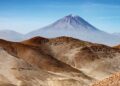
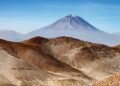
The rugged beauty of Montserrat’s volcanic landscape is both a source of fascination and a constant reminder of nature’s unpredictability. The Soufrière Hills volcano, which became active in 1995, has transformed the island, reshaping its geography and posing unique challenges to its residents. Over the years, the communities have exhibited remarkable resilience, developing innovative strategies to adapt to the seismic activity that defines life on this Caribbean island. Notable adaptations include:
- Evacuation Protocols: Regular drills and established escape routes ensure that locals are prepared in the event of an eruption.
- Infrastructure Resilience: Buildings are designed to withstand volcanic ash fallout and seismic activity.
- Environmental Monitoring: State-of-the-art technology is employed to track volcanic activity and provide timely warnings.
Moreover, the locals have found ways to embrace their volcanic surroundings, turning challenges into opportunities. The volcanic soil, enriched by ash, fosters fertile ground for agriculture, allowing farmers to cultivate crops such as sweet potatoes, ginger, and various fruits. Emergency services and community organizations work tirelessly to raise awareness about sustainability, ensuring that residents not only protect their environment but also harness its potential. The synergy between nature and human endeavors is illustrated by recent projects like:
| Project Name | Description | Impact |
|---|---|---|
| Rehabilitation of Ash-Covered Lands | Restoring agricultural viability post-eruption. | Revitalized local farming and economy. |
| Community Preparedness Workshops | Training sessions on disaster response. | Enhanced safety and community cohesion. |
Economic Resilience Amidst Uncertainty: Building a Sustainable Future
Montserrat, a small island in the Caribbean, showcases remarkable adaptability in the face of natural disasters, particularly in managing the ongoing threat from the Soufrière Hills volcano. Over the past few decades, the volcanic activity has dramatically reshaped the island’s landscape and economy, prompting residents to innovate and redefine their livelihoods. Community engagement and proactive governance have played crucial roles in fostering resilience, with a focus on sustainable tourism and agriculture as key economic drivers. By implementing strategies that prioritize environmental conservation, Montserratians are not only protecting their heritage but also building a robust framework for future growth.
The local economy is gradually shifting from reliance on traditional industries to embracing new opportunities. Key initiatives include:
- Eco-tourism development that highlights the island’s natural beauty and volcanic features.
- Investment in renewable energy sources to reduce dependence on imported fossil fuels.
- Collaboration with educational institutions to improve skills and drive innovation in emergency management.
| Sector | Economic Contribution |
|---|---|
| Tourism | 35% |
| Agriculture | 20% |
| Renewable Energy | 15% |
| Government Services | 30% |
This comprehensive approach not only mitigates the impact of volcanic eruptions but also empowers the community to thrive in adversity. As Montserrat navigates the complexities of living with a volcano, its people demonstrate that resilience is possible through innovation and collaboration, positioning themselves for a sustainable future amidst uncertainty.
Community Spirit and Preparedness: Lessons from Living with Volcanic Risks
Resilience in the face of natural disasters is a hallmark of the Montserrat community, where the looming presence of the Soufrière Hills volcano has shaped the lives of its residents. The amalgamation of shared experiences, collective memory, and local knowledge has fostered a culture of preparedness that extends far beyond individual households. Community-led initiatives encourage active participation in emergency drills, public meetings, and educational workshops, all aimed at enhancing awareness and response strategies. The residents have learned not just to coexist with the threat but to thrive by developing robust support networks, which become especially crucial during crises.
Furthermore, collaboration between local government and non-governmental organizations has significantly enhanced emergency response frameworks. The establishment of alert systems, regular training sessions, and the dissemination of essential information ensures that everyone, from schoolchildren to seniors, is well-equipped to react promptly. This proactive stance has resulted in the development of shelters, evacuation routes, and contingency plans tailored to various scenarios. The synergy between community spirit and preparedness efforts exemplifies how collective action can turn vulnerability into strength, making Montserrat a living testament to resilience in the face of volcanic risks.
Future Outlook
As Montserrat continues to navigate the intricate balance between the perils of living alongside its active volcano and the vibrancy of daily life, the resilience of its residents shines through. The island’s story is not merely one of geological threats; it is also a narrative of community strength and determination. As the volcanic landscape reshapes the contours of daily existence, the people of Montserrat demonstrate a remarkable ability to adapt and thrive.
The challenges posed by the Soufrière Hills volcano remind us of nature’s power and unpredictability, yet they also highlight human ingenuity in the face of adversity. Ongoing efforts in risk management, community education, and disaster preparedness pave the way for a safer future, underscoring the importance of living in harmony with the natural world.
As Montserrat moves forward, the unity of its inhabitants and their commitment to safeguarding their heritage and environment will be crucial in ensuring that life on this idyllic island continues to flourish amid the looming shadow of the volcano. The story of Montserrat is far from over; it is a testament to the enduring spirit of its people, and a reminder of the delicate relationship between humanity and nature.