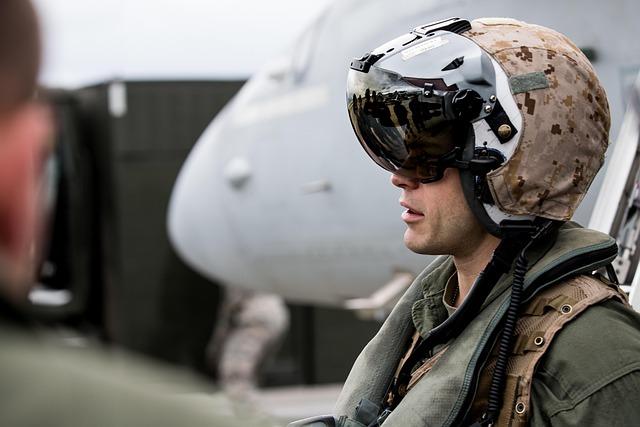
In a statement that underscores the ongoing complexities of U.S. foreign policy in Latin America, U.S. Representative Jimmy Gomez addressed the recent military operation in Venezuela, calling attention to the implications for both regional stability and humanitarian needs. As tensions escalate in the South American nation, the representative’s remarks highlight the challenging balance between national security interests and the pressing necessity for diplomatic dialogue. This article delves into Gomez’s perspectives on the operation, examining its potential impact on U.S.-Venezuela relations and the broader geopolitical landscape.
Rep. Gomez Calls for Humanitarian Support Amidst Escalating Military Actions in Venezuela
In light of the recent military escalations in Venezuela, Rep. Jimmy Gomez is urging the immediate need for humanitarian support to assist those affected by the conflict. Concerned about the ongoing suffering of innocent civilians, Gomez emphasizes that without a swift and coordinated response, the humanitarian crisis could further deteriorate. He states, “Our focus must be on the well-being of the Venezuelan people, who are caught in the crossfire of political tensions and military actions.” To address the urgent needs on the ground, Gomez is advocating for a comprehensive approach that includes:
- Increased funding for humanitarian aid to ensure food, medical supplies, and shelter reach those in need.
- Collaboration with international organizations to facilitate the safe delivery of aid.
- Support for refugee programs to assist Venezuelans who have fled the country in search of safety.
Gomez also highlights the significance of diplomatic efforts aimed at resolving the crisis peacefully. By fostering dialogue among conflicting parties, the U.S. can play a crucial role in stabilizing the region. To reinforce this commitment, he urges Congress to prioritize humanitarian assistance and engage in multilateral discussions, ensuring that the human rights of all Venezuelans are upheld. The following table summarizes the critical actions proposed:
| Action Item | Objective |
|---|---|
| Increase Humanitarian Funding | Address food and medical shortages |
| Partner with NGOs | Facilitate safe aid delivery |
| Support Refugee Initiatives | Provide safety for fleeing Venezuelans |
| Encourage Diplomatic Engagement | Promote peaceful conflict resolution |
Analysis of U.S. Military Strategy in Venezuela and Its Implications for Regional Stability
The recent U.S. military operation in Venezuela marks a significant escalation in American involvement in the region, raising critical questions about the implications for regional stability. This operation aims to address the deteriorating humanitarian and political crisis that has plagued Venezuela for years. Analysts suggest that by intervening militarily, the U.S. seeks to prevent further destabilization, encouraging the restoration of democratic governance while dismantling authoritarian structures that have fueled violence and displacement. However, this approach may provoke strong reactions from both Venezuelan authorities and neighboring countries, potentially heightening tensions within the region.
To understand the broader effects of this military strategy, it is essential to consider several key factors:
- Regional Alliances: The operation may lead to reconfigurations of alliances, pushing countries like Russia and China to bolster their support for the Maduro regime.
- Humanitarian Impact: Military engagement risks exacerbating the humanitarian crisis, directly affecting civilian populations and further straining resources.
- International Law: The legality of U.S. intervention is under scrutiny, as it raises questions about sovereignty and the principles of international law.
As policymakers deliberate on the future course of action, it’s essential to assess these implications comprehensively. The strategy not only impacts Venezuela but also reverberates throughout Latin America. The following table summarizes potential short-term and long-term implications of U.S. military involvement:
| Implications | Short-Term | Long-Term |
|---|---|---|
| Political Stability | Potential for increased unrest | Re-establishment of democratic processes? |
| Regional Relations | Heightened tensions with adversarial countries | Realignment of regional power dynamics |
| Humanitarian Assistance | Immediate aid access | Long-term rebuilding challenges |
Recommendations for Diplomatic Engagement and Support for Venezuelan Democracy
In the pursuit of a stable and democratic Venezuela, it is crucial for U.S. diplomatic efforts to focus on fostering an environment conducive to free elections and political plurality. The United States should prioritize engaging with a wide range of Venezuelan civil society groups, including human rights organizations, youth movements, and marginalized communities, to ensure that diverse voices are heard in the democratic process. Key initiatives could include:
- Encouraging inter-party dialogue to promote consensus-building among opposition factions.
- Facilitating international observation missions to enhance transparency in electoral processes.
- Providing technical assistance and resources to electoral bodies to prepare for credible elections.
Moreover, economic support aimed at revitalizing local economies and supporting community-led projects can help build a robust democratic foundation. U.S. engagement should also focus on leveraging multilateral platforms to coordinate efforts with regional partners, thereby amplifying the impact of diplomatic initiatives. Recommendations for economic and developmental support include:
| Area of Support | Proposed Actions |
|---|---|
| Humanitarian Aid | Streamline access to food, medical supplies, and educational resources for vulnerable populations. |
| Technical Assistance | Support capacity-building initiatives for local governance and infrastructure development. |
| Investment in Civil Society | Provide grants for NGOs that promote democracy, human rights, and civic engagement. |
Concluding Remarks
In conclusion, Representative Jimmy Gomez’s statement on the recent U.S. military operation in Venezuela underscores the complexities of international intervention and the dire humanitarian situation in the region. As the global community watches closely, questions remain regarding the potential implications for Venezuelan sovereignty and the broader geopolitical landscape. With increasing urgency for diplomatic solutions, Rep. Gomez’s position highlights the importance of balancing strategic interests with ethical responsibilities. As the situation evolves, ongoing dialogue and oversight will be critical to ensuring that any actions taken prioritize the welfare of the Venezuelan people.