
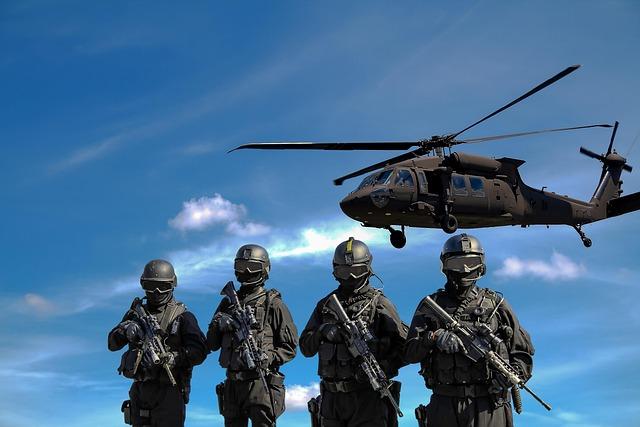
In a stark warning that underscores escalating tensions in the region, a high-ranking U.S. official has stated that the “table is being set” for potential military action against Venezuela. This announcement comes amid ongoing political strife and humanitarian crises within the South American nation, raising concerns about U.S. intervention in an already volatile situation. With diplomatic efforts faltering and Venezuela facing severe economic challenges, the prospect of military involvement adds a new layer of complexity to an already fraught geopolitical landscape. As the international community watches closely, this development signals a critical moment for U.S.-Venezuela relations and the broader implications for stability in Latin America.
Military Readiness and Strategic Implications for U.S. Involvement in Venezuela
The recent statements from U.S. officials regarding the potential for military action in Venezuela underscore a significant shift in America’s foreign policy approach to the troubled nation. As tensions escalate, the U.S. is enhancing its military readiness, signaling to both domestic and international audiences that it is prepared to intervene if necessary. Factors contributing to this readiness include the following:
- Increased troop deployments near the region
- Enhanced intelligence operations monitoring Venezuelan military movements
- Strengthened alliances with neighboring countries concerned about instability
The implications of U.S. military involvement in Venezuela are multifaceted, impacting both regional stability and international relations. A potential intervention could significantly alter the geopolitical landscape in Latin America, prompting responses from neighboring countries and global powers alike. Key considerations include:
| Potential Outcome | Strategic Implication |
|---|---|
| Increased regional instability | Could provoke military responses from allies of Venezuela, complicating U.S. objectives |
| Fallout on trade relations | U.S. sanctions may intensify, impacting oil markets and global supply chains |
| Shift in Latin American alliances | Countries may re-evaluate their alignment based on U.S. military actions |
The Role of Diplomacy and International Alliances in Shaping Intervention Strategies
In recent developments surrounding the potential military action against Venezuela, the intricate dance of diplomacy and international alliances has taken center stage. With officials stating that “the table is being set” for a possible intervention, the role of global partnerships cannot be underestimated. Diplomatic channels have been crucial in determining the scope and nature of any intervention, with countries weighing the implications of such actions on regional stability. Strategic alliances serve as both a support system and a buffer against backlash, shaping the narrative through coordinated international efforts.
Key players in the region are also under scrutiny as their responses can significantly influence the trajectory of U.S. intervention strategies. Bilateral discussions and multilateral forums allow nations to express their perspectives and concerns, indicating a need for collaboration. Factors influencing diplomatic strategies include:
- Economic Sanctions: Leveraged to apply pressure while avoiding direct military action.
- Human Rights Concerns: Justifications for intervention rooted in humanitarian grounds.
- Regional Security: Alliances focused on maintaining stability within South America.
Assessing the potential for military action requires careful consideration of these dynamics, underscoring the delicate balance between intervention and diplomacy. With various nations watching closely, any decisions made will likely resonate far beyond Venezuela’s borders, highlighting the interconnectedness of global political landscapes.
Assessing Humanitarian Concerns and Post-Conflict Recovery Plans in Venezuela
As the situation in Venezuela deteriorates, humanitarian concerns escalate, leaving millions in dire need of assistance. The ongoing economic crisis, compounded by political turmoil, has resulted in widespread food insecurity and limited access to healthcare. Reports from various international organizations indicate that over 5.6 million Venezuelans have fled the country, seeking refuge and support in neighboring states. Those who remain face severe shortages of basic necessities, leading to a public health crisis manifested through increased malnutrition rates and the resurgence of preventable diseases.
In light of these challenges, various post-conflict recovery plans have been proposed to address the underlying issues and rebuild the nation. These plans focus on several critical areas, including:
- Establishing humanitarian corridors to ensure aid reaches those most in need.
- Reconstruction of healthcare facilities to combat the public health crisis.
- Economic revitalization programs aimed at stabilizing the economy and providing jobs.
- Political dialogue initiatives to foster peace and reconciliation among factions.
Key stakeholders are urged to engage in collaborative efforts to implement these plans effectively, prioritizing the protection and support of the Venezuelan people as they navigate this complex landscape. Without a concerted international response and a commitment to providing aid, the prospects for recovery remain bleak.
Insights and Conclusions
In conclusion, the escalating tensions between the United States and Venezuela have reached a critical juncture, as U.S. officials suggest that military options are increasingly on the table. The potential for conflict raises significant questions about regional stability, international relations, and the humanitarian impact on the Venezuelan population. As diplomatic channels continue to be explored, the eyes of the world remain focused on this volatile situation. The implications of any military action could reverberate far beyond Venezuela’s borders, making it imperative for policymakers to navigate this complex landscape with caution and foresight. As developments unfold, continued vigilance and critical analysis will be essential in understanding the broader ramifications of U.S. military engagement in Latin America.









