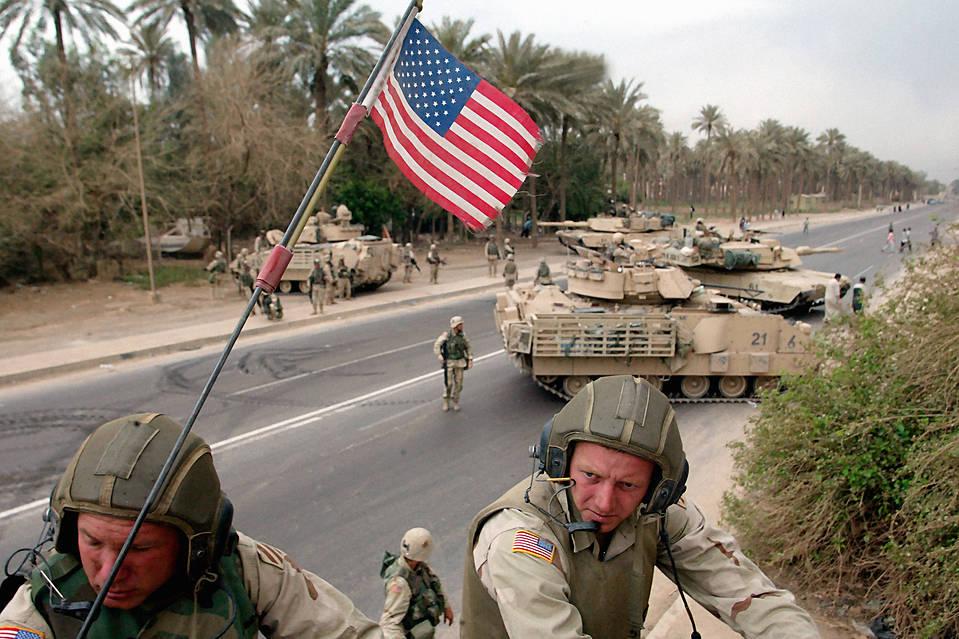
In recent developments, tensions between the United States and Venezuela have escalated, raising critical questions about the legality and implications of U.S. military actions in Latin America. A recent strike by U.S. forces, perceived by many as a direct military engagement, has sparked a fierce debate among policymakers and legal experts alike. As the geopolitical landscape shifts, concerns are mounting over whether these actions constitute an act of war, thereby challenging existing international norms. With both nations embroiled in a complex web of political conflict and economic turmoil, this article examines the latest strike, its implications for U.S.-Venezuelan relations, and the legal frameworks that govern military engagement on the global stage.
Legal Implications of U.S. Military Actions Against Venezuela
The recent military actions undertaken by the United States against Venezuela have sparked a heated debate regarding their legality under both domestic and international law. Critics of the operation argue that such actions could be perceived as violations of the War Powers Resolution, which mandates that the President inform Congress within 48 hours of deploying military forces and limits military engagement without congressional approval to a maximum of 60 days. Furthermore, international law stipulates that military action must be justified either by self-defense or a mandate from the United Nations Security Council, conditions that many believe have not been met in this case. The U.S. government, on the other hand, defends its stance by citing the need to combat perceived threats to national security posed by the Venezuelan regime.
The implications of this strike extend beyond the immediate geopolitical landscape, potentially affecting U.S. relations with other nations in the region. Concerns regarding sovereignty and non-intervention principles are at the forefront of discussions among legal scholars and international relations experts. Additionally, the following factors contribute to the complex legal framework surrounding U.S. military actions:
- Humanitarian Justification: Claims of protecting human rights may complicate the legal justifications.
- Regional Stability: Actions could destabilize neighboring countries, creating a broader conflict.
- International Reaction: Potential repercussions from allies and adversaries alike.
| Legal Consideration | Description |
|---|---|
| War Powers Resolution | Limits military engagement without Congressional approval. |
| Sovereignty Issues | Concerns over violating Venezuela’s national sovereignty. |
| International Law | Requirement for justification of force under international norms. |
Assessing the Humanitarian Impact of Escalating Tensions
The recent escalation of tensions between the United States and Venezuela has sparked a significant humanitarian crisis that demands immediate attention. As military rhetoric intensifies and potential actions loom on the horizon, the impact on the Venezuelan populace is already evident. Reports indicate a worsening of essential services, with access to food, healthcare, and safety dramatically deteriorating. Civilians are bearing the brunt of a geopolitical struggle, and with economic sanctions in place, daily survival has become a struggle for many. The consequences of international hostilities have created an urgent need for humanitarian assistance, as millions face malnutrition and lack basic medical care.
Critical organizations are mobilizing to respond to the needs arising from this turmoil, yet the resources available are limited, and the situation continues to escalate. The international community is urged to recognize the urgent need for intervention and support, both from humanitarian organizations and diplomatic channels. Some key areas of concern include:
- Displacement: An increase in refugees fleeing Venezuela due to violence and political instability.
- Public Health: A surge in diseases related to poor living conditions and inadequate health care.
- Child Welfare: Rising child malnutrition rates as families struggle to meet basic needs.
As the U.S. navigates its role in this volatile region, the ethical implications regarding intervention and support must be weighed against the humanitarian implications faced by innocent civilians caught in the crossfire.
Strategic Considerations for U.S. Policy in Latin America
The escalating tensions between the United States and Venezuela underscore a need for a reassessment of U.S. policy in Latin America. As recent military actions raise legal and ethical questions, policymakers must navigate a complex landscape shaped by historical grievances, economic interests, and regional alliances. Key factors to consider include:
- Diplomatic Engagement: A focus on dialogue rather than confrontation could foster stability, opening avenues for negotiations aimed at resolving the Venezuelan crisis.
- Humanitarian Aid: The U.S. could enhance its role as a humanitarian leader by providing assistance to Venezuelan citizens while avoiding actions that may exacerbate the conflict.
- Regional Alliances: Strengthening partnerships with Latin American neighbors is crucial, as they can play a mediating role in Venezuela’s political transition.
Moreover, the broader implications of military engagement in Venezuela resonate beyond its borders, affecting U.S. relations with other Latin American nations wary of potential interventionist policies. In evaluating current and future strategies, several considerations emerge:
| Consideration | Implications |
|---|---|
| Legal Justifications | Potential challenges in international law could arise from unilateral military actions. |
| Public Perception | Domestic and international backlash may affect U.S. credibility and soft power. |
| Economic Consequences | Further sanctions could harm U.S. businesses and deepen economic divides. |
Wrapping Up
As tensions between the United States and Venezuela continue to escalate, the recent military action has ignited a complex debate over the legality and implications of such interventions. With calls for clarity from both legal experts and policymakers, the situation poses significant questions about U.S. foreign policy and its respect for international law. As the Biden administration navigates this volatile landscape, the need for transparency and a coherent strategy has never been more pressing. The unfolding developments will not only shape the dynamics of U.S.-Venezuela relations but could also redefine the broader context of American military engagement in Latin America. As we continue to monitor this evolving situation, it is clear that the ramifications of these actions will reverberate far beyond the immediate conflict, influencing diplomatic relations and regional stability for years to come.