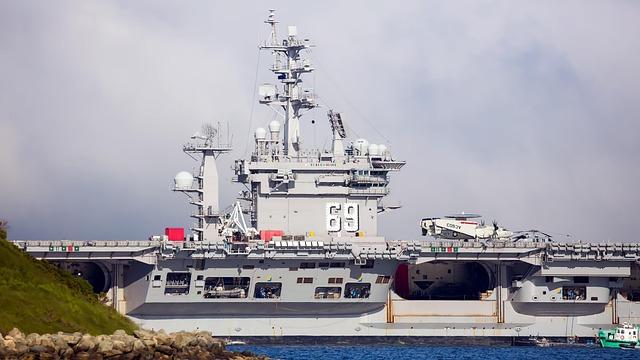
In a significant escalation of military presence in the Caribbean region, the United States has intensified its strategic maneuvering around Venezuela by deploying warships near Trinidad and Tobago. This provocative move raises concerns about heightened tensions in an already volatile geopolitical landscape. Analysts are closely monitoring the situation as U.S. officials continue to publicly denounce the Venezuelan government, citing concerns over human rights violations and regional stability. As the threat of military intervention looms, the implications of this show of force extend beyond the waters of the Caribbean, potentially reshaping diplomatic relations and security dynamics in Latin America. This article delves into the nuances of these developments, the reactions from Venezuela and its allies, and what this could mean for the future of U.S.-Latin American relations.
U.S. Naval Presence Heightens Tensions in the Caribbean Region
As tensions escalate in the Caribbean, the presence of U.S. warships in close proximity to Venezuela is drawing sharp criticism from regional leaders and international observers alike. The deployment of naval forces, particularly a destroyer stationed near Trinidad and Tobago, raises alarms about potential military conflict and underscores the United States’ ongoing efforts to exert influence in a region historically shaped by geopolitical rivalries. Critics argue that this show of force may provoke further instability rather than foster dialogue and cooperation among nations.
The implications of this heightened military activity are far-reaching and multifaceted. Key concerns include:
- Increased Hostility: The visible military presence may exacerbate existing tensions between the U.S. and Venezuela, potentially igniting a larger conflict.
- Impact on Regional Diplomacy: Neighboring nations may react defensively, impacting trade agreements and diplomatic relations in the region.
- Security Risks: There are legitimate fears about the safety of civilians amid military maneuvers, raising questions about the humanitarian impact of U.S. actions.
Experts warn that the U.S. must tread carefully, as continued displays of naval power may alienate allies and embolden adversaries. A lack of constructive engagement could lead to an entrenched stalemate, further complicating the already delicate balance of power in Latin America.
Impact on Venezuelan Sovereignty and Regional Stability
The recent deployment of U.S. warships in the vicinity of Trinidad and Tobago raises significant concerns regarding Venezuela’s autonomy and the delicate balance of power in the region. This military maneuver is perceived not just as a threatening gesture but as an overt challenge to Venezuelan sovereignty. As international tensions escalate, the implications for regional stability could be profound, influencing not only Venezuela but also the geopolitical dynamics of neighboring countries. The presence of U.S. naval forces may provoke responses from the Venezuelan government and its allies, potentially igniting a cycle of hostility that jeopardizes peace in South America.
The potential fallout is multi-faceted and could lead to heightened military readiness among countries within and outside the region. Key points include:
- Increased military spending by Venezuela in response to perceived threats.
- Worsening relations between the U.S. and other Latin American nations that support Venezuela.
- Possible economic sanctions or diplomatic actions against U.S. allies engaging with Venezuela.
As tensions rise, regional institutions must navigate these complexities carefully, striving to maintain harmony and avoid escalation. The growing military presence raises critical questions about intervention, sovereignty, and the future of diplomatic relationships across the Americas, and how they will shape the narrative in a world increasingly polarized by power and influence.
Calls for Diplomatic Resolutions Amid Military Posturing
The recent deployment of U.S. warships near Venezuela has sparked significant geopolitical tensions, leading to renewed calls for peaceful negotiations. Experts emphasize the importance of diplomatic channels to mitigate the effects of military posturing on regional stability. As the situation escalates, they advocate for dialogue that prioritizes the sovereignty of nations and addresses the underlying issues prompting such aggressive maneuvers. The potential for conflict not only threatens Venezuela but could unsettle the broader Caribbean region, with repercussions felt far beyond local borders.
In response to these developments, several international organizations and regional leaders have begun to advocate for multilateral discussions aimed at easing hostilities. Key components of these proposed diplomatic efforts include:
- Engagement of the United Nations to mediate talks
- Inclusion of Latin American nations in decision-making processes
- Establishment of humanitarian corridors for relief and dialogue
By focusing on collaboration over confrontation, stakeholders hope to carve out a path towards a sustainable resolution that respects Venezuela’s autonomy while addressing the security concerns of neighboring states. As rhetoric heightens, the choice between diplomacy and war will ultimately shape the future of the region.
In Retrospect
In conclusion, the U.S. military’s increased presence around Venezuela, marked by the deployment of a warship near Trinidad and Tobago, highlights the escalating tensions in the region. This strategic maneuver raises significant concerns about the potential for conflict and its implications for both Venezuelan sovereignty and regional stability. As the international community closely monitors developments, the situation remains fluid, with diplomatic efforts contrasting sharply against the backdrop of military posturing. The unfolding dynamics in South America will undoubtedly continue to influence geopolitical relationships and provoke debate over the efficacy and ethics of U.S. intervention. Final Call News will continue to provide updates on this critical situation as it evolves.