
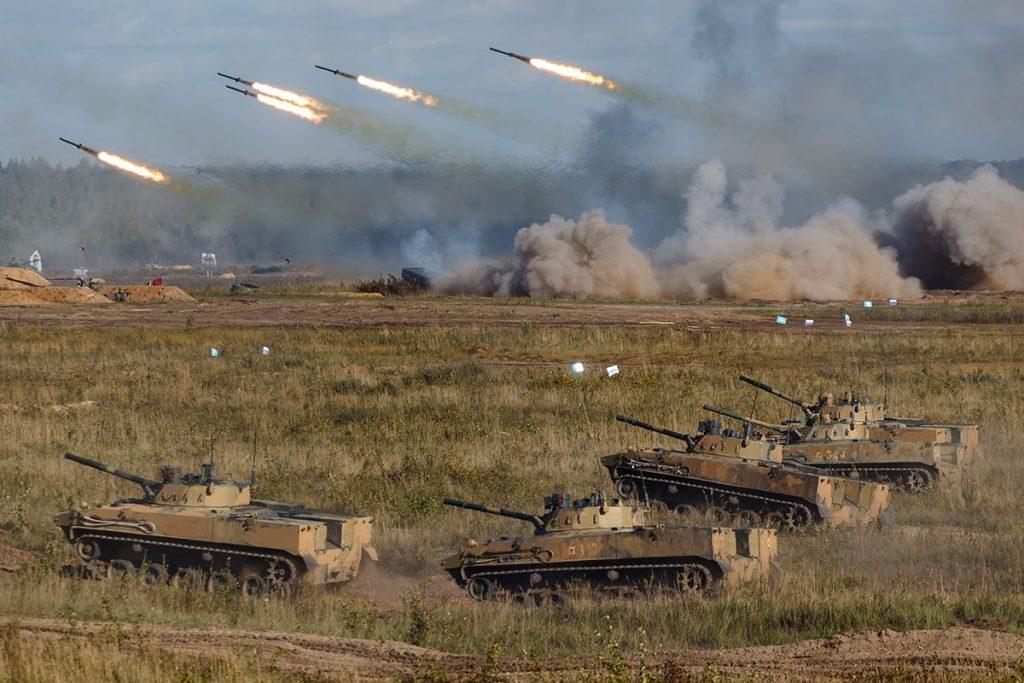
As tensions continue to escalate in Latin America, the United States is keenly monitoring the military developments in Venezuela, prompting concerns over regional stability and security. Recently, a significant military buildup by Venezuela has raised alarms in Washington, where officials are increasingly eyeing Cuba as a potential strategic player in the evolving dynamics. This dual focus on both nations highlights the intricate web of alliances and rivalries that shape U.S. foreign policy in the region. As the U.S. seeks to navigate these complexities, the implications of this militarization extend beyond borders, potentially reshaping the geopolitical landscape of the Americas. In this article, we explore the motivations behind the U.S. military posture toward Venezuela, the role of Cuba in this equation, and the broader consequences for regional diplomacy and security.
US Military Strategy Shifts Focus to Venezuela and Cuba Amid Regional Tensions
In a significant pivot, U.S. military strategy is increasingly focusing on the potential threats emanating from Venezuela and Cuba. This redirection aims to counteract the growing influence of regional adversaries in the wake of heightened tensions across Latin America. Key objectives include securing vital maritime routes and curbing illegal activities, such as drug trafficking and arms proliferation, which have been on the rise in the region. With military exercises prompted by recent provocations, the U.S. aims to bolster its presence and demonstrate readiness to respond to any aggressions.
As part of this renewed emphasis, intelligence sharing and joint military drills with regional allies are set to escalate. The U.S. plans to enhance cooperative defense measures that include:
- Enhanced situational awareness through satellite surveillance and reconnaissance.
- Increased naval patrols in Caribbean waters to deter hostile activities.
- Strengthened partnerships with Colombia and Brazil, focusing on counter-narcotics operations.
Additionally, the U.S. is looking into the implications of Venezuelan instability on Cuban security and the potential repercussions for U.S. interests. Policymakers recognize that these intertwined challenges require a multifaceted approach, combining diplomatic efforts with strategic military initiatives. The situation remains fluid, warranting close monitoring and adaptive responses to evolving circumstances.
Assessing the Implications of Increased US Presence in Latin America
The recent increase in U.S. military buildup in Latin America is sending ripples across the geopolitical landscape, with a particular focus on both Venezuela and Cuba. This move is widely viewed as a strategy to counter China and Russia’s growing influence in the region, which has historically been marked by U.S. dominance. Analysts point to the potential strategic advantages this increased military presence could provide, including:
- Enhanced Regional Stability: A robust military presence may deter aggression from hostile regimes.
- Strategic Alliances: Strengthening relationships with regional partners can create a united front against authoritarianism.
- Economic Interests: Securing access to vital trade routes and natural resources becomes a more viable objective.
However, the implications of these actions extend beyond mere military strategy. Increased U.S. presence raises concerns among local populations, particularly regarding sovereignty and national autonomy. Many Latin American nations may view this military buildup as a reassertion of U.S. hegemony, leading to a resurgence of anti-American sentiment and possible alliances among states opposed to U.S. intervention. In addition to military concerns, economic repercussions could arise, notably:
| Economic Impact | Possible Outcomes |
|---|---|
| Trade Disruptions | Potential sanctions impacting local economies |
| Investment Shifts | Decreased foreign direct investment |
| Resource Control | Conflict over access to natural resources |
Recommendations for a Diplomatic Approach to Stabilize Relations with Cuba and Venezuela
To foster more constructive relations with Cuba and Venezuela, a multi-faceted diplomatic strategy should be prioritized. Engagement through dialogue is crucial; both nations have long histories of grievances against the U.S., which can only be addressed through consistent communication. The U.S. must emphasize the importance of mutual respect and non-interference, potentially exploring avenues for joint initiatives in sectors like health care and environment, areas where both nations could benefit from collaboration. Establishing cultural exchange programs and academic partnerships can also help to create a deeper understanding of shared values and interests.
Furthermore, easing economic sanctions contingent on democratic progress could provide an incentive for both countries to engage in reforms. This approach requires a careful calibration; potential benefits to the U.S. economy through trade and investment could weigh favorably against current geopolitical tensions. An essential component of this strategy is to include regional partners in the dialogue process-building a coalition that involves other Latin American countries can lend credibility and support to the diplomatic efforts. A table summarizing the proposed actions can illustrate this comprehensive approach:
| Action | Description | Expected Outcome |
|---|---|---|
| Dialogue Initiatives | Foster open communication through bilateral discussions | Reduce misperceptions and build trust |
| Cultural Exchange | Programs to promote mutual understanding | Strengthen people-to-people ties |
| Economic Sanction Easing | Targeted relief based on democratic progress | Encourage reform and economic growth |
| Regional Coalition | Involve Latin American countries in discussions | Build a unified stance on regional stability |
Final Thoughts
In conclusion, the escalating military buildup along the U.S.-Venezuela border signals a shift in American foreign policy that not only targets Caracas but also casts a long shadow over Havana. As the United States reassesses its approach to Latin America amid regional turmoil, the implications for both Venezuela and Cuba are profound. The potential for increased military presence and strategic maneuvers raises critical questions about the impact on diplomatic relations, regional security, and the broader geopolitical landscape. As tensions mount, especially with the recent developments, close observation of U.S. actions and their ramifications on both nations will be vital in understanding the future of U.S.-Latin American relations. The world watches closely as the story unfolds, with stakes rising both domestically and internationally.









