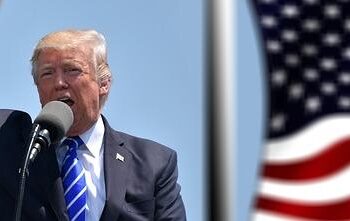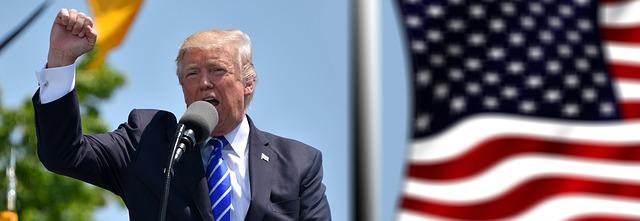
In a bold move that underscores his administration’s aggressive stance against drug cartels, former President Donald Trump has publicly urged national leaders to consider military action as a strategy to combat the growing influence of these criminal organizations. Speaking at a recent press conference, Trump emphasized the urgent need for decisive measures to protect American communities from the devastating effects of drug trafficking. This call to action comes amid rising concerns over the escalation of violence linked to cartels, prompting a debate about the role of military intervention in domestic law enforcement. As discussions unfold, opinions remain divided on the potential implications of such an approach. This article examines Trump’s statements and their potential impact on U.S. policy towards drug cartels and regional stability.
Trump Advocates Military Intervention as Strategy to Combat Drug Cartels
In a bold move that echoes his administration’s earlier strategies, the former president has proposed a framework for military intervention as a potential solution to escalating issues posed by drug cartels. At a recent conference, he emphasized the necessity for strong action against these criminal organizations, arguing that traditional law enforcement measures are insufficient in combating the sophisticated operations and violence that surround the drug trade. Supporters of this approach point to increased safety and reduced drug trafficking as key benefits, while critics express concern over the implications of military involvement in foreign nations.
Trump’s assertion is that a concerted military response, potentially involving collaboration with partner countries in Latin America, could disrupt cartel operations. The proposed strategy includes:
- Joint military exercises with regional allies to enhance capabilities.
- Targeted airstrikes against cartel facilities used for production and distribution.
- Increased intelligence sharing to identify and dismantle cartel networks.
While the feasibility and legality of such actions remain contentious issues, the former president’s advocacy has ignited a vigorous debate on the most effective methods to curb the drug crisis facing the United States.
Analyzing the Implications of Military Action on US Foreign Policy and Regional Stability
The recent comments by former President Trump advocate for greater military engagement in foreign nations plagued by cartel violence, a strategy that could reshape America’s role on the global stage. His call to arms raises questions about the effects of military intervention on diplomatic relations and the potential for unintended consequences. By encouraging foreign leaders to employ military solutions, there is a risk of legitimizing violent responses, which can lead to escalated conflicts, destabilizing regional governance and fueling cycles of violence that ultimately harm local populations. In this context, the implications for U.S. foreign policy may be profound, as reliance on military might can overshadow diplomatic efforts and coalition building that are essential for long-term stability.
Moreover, the push for military solutions to cartel-related issues could also influence neighboring countries to adopt similar policies, triggering a domino effect across the region. Nations may feel compelled to prioritize security measures over social programs, leading to a degradation of civil liberties and human rights. The underlying complexities of cartel dynamics, such as socio-economic factors and corruption, remain inadequately addressed, potentially exacerbating issues rather than resolving them. Critical discussions must be had regarding the ethical considerations and broader geopolitical consequences of adopting such an aggressive stance towards foreign relations, emphasizing the need for a balanced approach that includes both military and non-military strategies.
Recommendations for Strategic Collaboration Between Law Enforcement and Military Efforts
Collaboration between law enforcement agencies and military forces can significantly enhance the effectiveness of operations against cartels. Establishing clear communication channels is crucial, enabling timely information sharing on cartel movements and activities. Mutual training exercises can also facilitate a better understanding of each other’s operations, which is vital for coordinated efforts. Key components of this collaboration can include:
- Joint Task Forces: Creating specialized units that combine the strengths of both sectors.
- Shared Intelligence Platforms: Implementing technology that allows for real-time data exchange.
- Community Engagement: Involving local leaders to foster trust and cooperation between citizens and law enforcement.
Moreover, defined operational protocols can help streamline responses during joint missions. Regular strategy assessments will ensure that both entities adapt to changing cartel tactics, enhancing resilience against narcotics operations. Critical focus areas in this strategic collaboration could involve:
| Focus Area | Description |
|---|---|
| Resource Allocation | Determining the most effective use of personnel and equipment. |
| Operational Coordination | Establishing timelines and roles for joint operations. |
| Evaluation Metrics | Setting performance indicators to measure success. |
To Conclude
In conclusion, President Trump’s recent exhortation for global leaders to consider military intervention as a means to combat drug cartels underscores the escalating urgency of the crisis within the United States. As the nation grapples with the multifaceted challenges posed by drug trafficking and addiction, this call to action signals a potential shift in foreign policy and international cooperation. While some may view military action as a controversial step, it reflects a growing sentiment that more aggressive measures are necessary to protect communities and restore safety. As reactions from both domestic and international leaders unfold, the implications of Trump’s remarks will likely dominate discussions on security and drug policy in the months to come. The ongoing struggle against cartels not only affects the U.S. but also has far-reaching consequences for regional stability and cross-border relations. Stakeholders will be keenly watching how this proposed framework for action develops on the global stage.