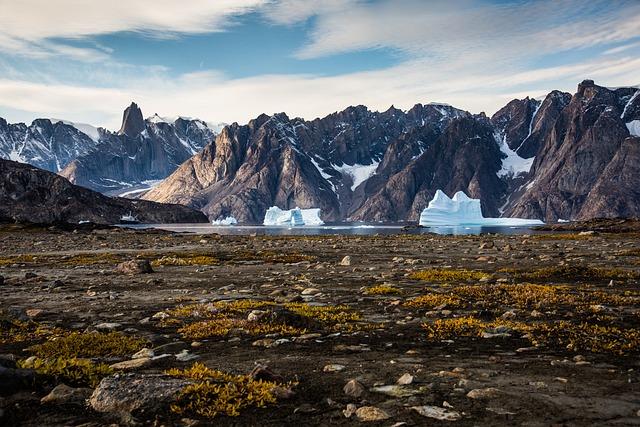
In a move that sparked considerable debate and curiosity, former President Donald Trump once again directed attention to the icy expanse of Greenland, suggesting a U.S. acquisition of the world’s largest island would bolster America’s geopolitical and economic standing. The proposal, initially floated during a 2019 White House discussion, raises complex questions about territorial claims, international diplomacy, and the implications of such a monumental land acquisition. As discussions about sovereignty and global partnerships unfold, the potential for Greenland becoming the largest U.S. territory looms large, captivating both skeptics and supporters. This article examines the historical context, strategic motivations, and potential consequences of such an extraordinary purchase from the geopolitical implications to the environmental impact on one of the planet’s most pristine regions.
Potential Economic Impacts of U.S. Control Over Greenland’s Vast Resources
The could be profound, reshaping both the local economy and broader geopolitical dynamics. Greenland is estimated to hold significant quantities of natural resources, including rare earth metals, oil, and minerals. As the demand for these materials continues to rise globally, the integration of Greenland into the U.S. economic sphere could attract substantial investment and lead to the development of extensive extraction operations. This influx of capital might create jobs and bolster infrastructure, offering a potential boon for the island’s economy.
However, such control comes with considerable risks and ethical considerations. The possibility of resource exploitation could lead to environmental degradation and the overuse of Greenland’s pristine landscapes. Local communities, many of whom rely on traditional practices and the natural environment for their livelihoods, might face displacement or cultural erosion. Furthermore, there could be geopolitical consequences, as other nations-particularly in the Arctic region-might react to perceived U.S. expansionism, potentially leading to tensions over territorial claims and international resources.
Strategic Considerations and Diplomatic Ramifications of Acquiring Greenland
The prospect of the United States acquiring Greenland brings forth significant strategic considerations that could reshape geopolitical dynamics in the Arctic region and beyond. The acquisition would bolster the U.S. military’s global footprint, particularly in a strategically critical area often overshadowed by rising powers. Key factors include:
- Resource Accessibility: Greenland is rich in untapped natural resources, including rare earth minerals and oil reserves, which could enhance U.S. energy independence.
- Geopolitical Leverage: Control over Greenland would provide a powerful stance against rival nations such as Russia and China, who have shown increasing interest in Arctic exploration.
- Military Presence: Establishing a permanent U.S. military base on the island could deter foreign incursions and strengthen NATO alliances in the region.
However, the diplomatic ramifications of this potential acquisition cannot be underestimated. Greenland’s status as an autonomous territory of Denmark complicates matters, as any U.S. bid would require delicate negotiations with both Greenlandic and Danish authorities. Crucial diplomatic considerations include:
- International Relations: The move could strain U.S. relations with European allies if perceived as a form of neocolonialism.
- Local Sentiments: Greenlanders may resist the notion of being formally acquired, leading to calls for independence or greater autonomy.
- Legal Implications: The legality of the acquisition would likely be scrutinized under international law, raising concerns over sovereignty and self-determination.
| Strategic Consideration | Potential Impact |
|---|---|
| Resource Accessibility | Increased economic self-sufficiency |
| Geopolitical Leverage | Enhanced strategic standing against rivals |
| Military Presence | Deterrence of potential threats |
Key Takeaways
In conclusion, the prospect of Greenland becoming a territory of the United States under former President Donald Trump’s administration has sparked not only intrigue but also significant debate about the implications of such a land acquisition. As discussions around sovereignty, international relations, and environmental impacts continue, the situation remains complex and multi-faceted. While the idea may have been dismissed at the time, it raises important questions about the future of U.S. foreign policy and territorial expansion. As attention turns to the upcoming political landscape, the legacy of these discussions will likely endure, shaping debates about national identity and geopolitical strategy for years to come. The conversation surrounding Greenland, therefore, is not simply about land; it reflects deeper issues of power, governance, and global stewardship.