
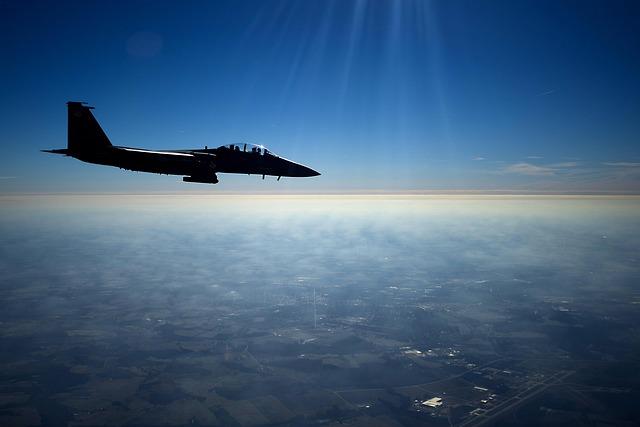
In a dramatic escalation of geopolitical tensions, recent U.S. military strikes in Venezuela have sent shockwaves across Latin America and beyond, igniting widespread alarm among regional leaders and prompting reactions from global powers. The strikes, which U.S. officials assert were aimed at targeting narco-traffickers and criminal organizations, have been met with fierce condemnation from the Venezuelan government and concerns from neighboring countries about potential spillover effects. As the international community grapples with the unfolding situation, questions arise about the implications for regional stability and the potential for a wider escalation in U.S.-Latin American relations. With reactions pouring in from various corners of the globe, the stakes have never been higher for diplomacy and peace in a region already fraught with unrest.
U.S. Military Actions Spark Controversy Amid Rising Tensions in Latin America
The recent military strikes by the United States in Venezuela have ignited a firestorm of criticism and concern both regionally and internationally. The U.S. government claims these actions are a response to escalating threats from the Venezuelan regime and are aimed at safeguarding democratic principles in the region. However, critics argue that such interventions risk exacerbating existing tensions and may lead to a broader conflict. Among the nations vocalizing their disapproval are:
- Mexico: Calling for diplomatic solutions rather than military intervention.
- Brazil: Warning against unnecessary provocation that could destabilize the entire region.
- Argentina: Advocating for dialogue to resolve political differences peacefully.
As tensions simmer, discussions are emerging about the potential implications of these actions. Analysts caution that military engagement may not only affect U.S.-Venezuela relations but could also have ripple effects across the geopolitical landscape of Latin America. In a recent statement, several Latin American officials have expressed concerns over the potential for increased displacement and humanitarian crises, urging for a more restrained approach from Washington. Below is a summary of key international reactions:
| Country | Reaction |
|---|---|
| Colombia | Supports U.S. actions but calls for caution. |
| Chile | Demands respect for regional sovereignty. |
| Peru | Expresses solidarity with democratic movements. |
Global Leaders Call for Diplomatic Solutions to Prevent Escalation
In response to the recent military strikes by the U.S. in Venezuela, leaders from around the globe are increasingly emphasizing the need for diplomatic engagement to avert further escalation of tensions in the region. High-profile figures, including heads of state and international organization representatives, have voiced their concerns over the potential for conflict to spill over beyond Venezuela’s borders. A collaborative approach is being advocated, focusing on dialogue rather than military intervention to address the underlying political and humanitarian issues that plague the country.
Key elements of the proposed diplomatic framework include:
- Establishment of Communication Channels: Direct talks between the U.S. and Venezuelan officials to clarify intentions and prevent misunderstandings.
- International Mediation: Involvement of neutral third parties to facilitate discussions and propose feasible solutions.
- Humanitarian Aid Initiatives: Prioritization of relief efforts to address the urgent needs of the Venezuelan populace.
- Regional Cooperation: Engagement with neighboring countries to create a united front that emphasizes stability and peace.
In a show of solidarity, leaders are also calling for a multilateral approach that seeks to include various factions within Venezuela. This dialogue aims to establish a sustainable political solution that respects the will of the Venezuelan people while maintaining regional peace. A recent meeting among major stakeholders highlighted the need for an immediate suspension of hostilities, coupled with a roadmap for a peaceful resolution, further underscoring the critical role of diplomacy in times of crisis.
Humanitarian Concerns Rise as U.S. Strikes Impact Venezuelan Civilians
The recent military interventions by the United States in Venezuela have ignited widespread concern about the potential humanitarian fallout for the civilian population caught in the crossfire. Reports indicate that numerous innocent lives have been disrupted, leading to increased casualties, displacements, and a humanitarian crisis that challenges the resilience of local communities. The situation has prompted various human rights organizations to speak out, urging for immediate measures to protect civilians and provide humanitarian aid.
Key issues resulting from these military strikes include:
- Rising Casualties: Civilian deaths and injuries reported have drawn sharp criticism from international observers.
- Displacement: Families have been fleeing conflict zones, seeking safety in neighboring countries.
- Access to Healthcare: Hospitals overwhelmed and lacking resources to handle injuries inflicted by the strikes.
- Nutritional Needs: Food shortages exacerbated by the instability created by the strikes.
In response to these alarming developments, regional leaders have called for diplomatic solutions that prioritize human rights and the welfare of Venezuelan citizens. A collective approach, balancing accountability and support, may provide the necessary framework to restore safety and aid access.
The Way Forward
As tensions escalate following recent U.S. military strikes in Venezuela, the ramifications are being felt far beyond the nation’s borders. This unprecedented action has triggered widespread alarm among regional neighbors and international observers, raising urgent questions about the consequences for stability in Latin America and beyond. Diplomatic channels are being tested as calls for restraint and dialogue grow louder. As the situation unfolds, the world watches closely, aware that the actions taken today may set the tone for future U.S.-Latin American relations and could have lasting implications for global geopolitics. The events in Venezuela serve as a stark reminder of the delicate balance of power in the region and the critical need for comprehensive diplomatic efforts to address the underlying issues. As we continue to investigate the full impact of these strikes, the priority remains clear: ensuring that the people of Venezuela and the surrounding nations are not caught in the crossfire of international conflict.











