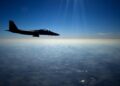
U.S. and France Enhance Military Cooperation Through Interoperability Exercises in the Caribbean
In a significant demonstration of military collaboration, U.S. Naval Forces Southern Command and the French armed forces recently conducted a series of interoperability exercises in the Caribbean. This joint initiative aims to bolster operational readiness, strengthen partnerships, and enhance collective response capabilities in the region. As global security challenges continue to evolve, the collaboration between the United States and France underscores a shared commitment to ensuring stability and security in the Caribbean, highlighting the importance of multinational cooperation in addressing complex maritime scenarios. The exercises not only showcased advanced tactics and strategies but also reaffirmed the longstanding ties between the two nations, paving the way for future cooperative efforts in safeguarding regional interests.
U.S. and France Enhance Maritime Collaboration in the Caribbean Region
The recent joint naval exercises conducted in the Caribbean have showcased the increasingly collaborative relationship between the United States and France. This maritime partnership emphasizes interoperability, ensuring that both nations can operate seamlessly in shared missions. The operations featured a variety of advanced maritime tactics, from anti-submarine warfare to humanitarian assistance exercises, highlighting the dual focus on security and readiness. Key elements of the exercises included:
- Real-time Communication: Utilizing advanced communication technologies to coordinate efforts across both navies.
- Strategic Asset Deployment: Jointly deploying naval assets, including guided-missile destroyers and amphibious ready groups.
- Joint Training Scenarios: Engaging in complex scenarios to improve tactical responses to potential regional threats.
Both nations recognize the strategic importance of the Caribbean region, not only for trade and transit but also for ensuring regional stability. By pooling resources and expertise, U.S. and French naval forces aim to enhance their effectiveness in responding to both natural disasters and security challenges. A recent briefing highlighted some of the benefits derived from this collaboration, as outlined in the table below:
| Benefit | Description |
|---|---|
| Increased Readiness | Enhances rapid response capabilities for regional emergencies. |
| Shared Resources | Optimizes the use of naval assets and reduces operational costs. |
| Humanitarian Focus | Strengthens efforts in disaster response and humanitarian missions. |
Key Insights on Joint Operations and Strategic Objectives
The recent joint operations conducted by U.S. Naval Forces Southern Command and the French Navy in the Caribbean serve as a testament to the commitment of both nations towards bolstering regional security and enhancing interoperability. These combined exercises not only demonstrate tactical proficiency but also underscore the importance of strategic alliances in addressing common challenges. Key areas of focus included maritime surveillance, humanitarian assistance, and disaster response, showcasing a multifaceted approach to international cooperation.
Throughout these operations, the participating forces emphasized several critical objectives that align with their strategic vision, including:
- Enhanced Coordination: Establishing effective communication protocols between U.S. and French naval assets.
- Resource Sharing: Utilizing shared intelligence and logistical support to streamline operational efficiency.
- Training Synergy: Conducting joint training exercises to refine tactical skills and foster mutual understanding.
Table of Key Metrics from Joint Operations:
| Metric | Value |
|---|---|
| Joint Missions Conducted | 12 |
| Assets Deployed | Over 15 ships |
| Personnel Involved | Approximately 1,500 |
Recommendations for Strengthening Future Interoperability Efforts
Enhancing collaboration between U.S. and French military forces in the Caribbean requires a multifaceted approach that prioritizes both operational effectiveness and cultural understanding. To bolster future interoperability efforts, it is essential to foster a shared framework for training and exercises that addresses the unique challenges of maritime operations in the region. Key components of this framework should include:
- Joint Training Initiatives: Develop and implement joint exercises that simulate real-world scenarios, allowing both forces to practice unified responses and coordination.
- Standardized Communication Protocols: Establish and adhere to common communication standards to streamline interoperability and reduce misunderstandings during operations.
- Cultural Exchange Programs: Promote opportunities for personnel to engage with each other’s military culture, enhancing mutual respect and collaboration on missions.
In addition to the tactical considerations, improving interoperability will also benefit from leveraging technological advances that can provide both nations with the capabilities to share information effectively. The adoption of secure data-sharing platforms and joint operational systems will create a more integrated command-and-control environment. Important strategies should include:
- Investment in Interoperable Technologies: Prioritize funding for systems and equipment that ensure compatibility across both fleets.
- Regular Assessment and Feedback Loops: Implement ongoing evaluations of interoperability practices to identify gaps and opportunities for improvement.
- Strengthening Diplomatic Ties: Engage in regular diplomatic dialogues that address strategic interests and promote long-term cooperation in regional security.
In Conclusion
In conclusion, the recent interoperability exercises conducted by U.S. Naval Forces Southern Command and French military units in the Caribbean underscore both nations’ commitment to regional security and cooperative defense operations. As global challenges become increasingly complex, the ability to coordinate effectively during joint missions not only strengthens bilateral ties but also enhances preparedness for a range of potential crises in the region. This successful collaboration reflects a shared determination to uphold maritime security and demonstrates how combined efforts can lead to a more stable and secure Caribbean environment. As both nations continue to refine their strategies and capabilities, the implications for future joint operations remain significant, paving the way for ongoing partnerships in defense readiness and international cooperation.