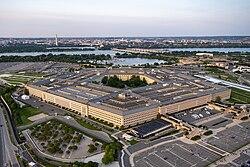
In a significant escalation of military tensions in the Caribbean, the U.S. Department of Defense has issued a stern warning to Venezuela following a provocative encounter in which Venezuelan fighter jets buzzed a U.S. Navy destroyer conducting routine operations in international waters. The incident, which highlights the increasing volatility in the region, has raised alarm among U.S. officials, who characterize the maneuver as reckless and a potential threat to maritime safety. As diplomatic relations between the two nations remain strained, this confrontation adds another layer of complexity to an already fraught geopolitical landscape, prompting renewed calls for vigilance and restraint from both sides.
U.S. Defense Department Issues Strong Warning to Venezuela Following Military Provocations
The U.S. Department of Defense has issued a stern warning to Venezuela following a series of provocative actions involving Venezuelan military jets encroaching upon an area of operation near a U.S. Navy destroyer. This incident, which has heightened tensions in the region, underscores the potential for conflict in the Americas. U.S. officials emphasized that such maneuvers are considered hostile and unacceptable, jeopardizing both maritime security and international norms. The Pentagon reiterated its commitment to protecting U.S. assets and personnel, while calling for respectful engagement in bilateral relations.
In response to these developments, the Defense Department outlined key points regarding their stance on Venezuelan military activities:
- Increased Surveillance: Enhanced monitoring of Venezuelan air and naval activities.
- Diplomatic Channels: Emphasis on dialogue and negotiation to resolve tensions.
- Regional Cooperation: Strengthened partnerships with Latin American nations to promote stability.
Analysts suggest that these provocations may be part of Venezuela’s broader strategy to assert its influence in the region amidst ongoing economic and political challenges. As the situation evolves, the U.S. remains vigilant in its operations while seeking to maintain peace and deterring further military posturing from Caracas.
Analysis of Venezuela’s Air Operations and Their Implications for Regional Security
The recent incident involving Venezuelan jets flying dangerously close to a U.S. Navy destroyer has raised significant concerns regarding the implications of Venezuela’s air operations on regional security. Such provocations illustrate a pattern of behavior that not only defies international norms but could also escalate tensions in a strategically sensitive area. The Venezuelan military’s activity has become a point of contention, reflecting the broader geopolitical dynamics at play, particularly in the wake of heightened military presence by external powers in the region. Analysts suggest that these maneuvers are part of Venezuela’s strategy to assert its sovereignty amid ongoing economic sanctions and diplomatic isolation.
Moreover, this situation underscores the potential for miscalculation that could lead to unforeseen consequences. Regional neighbors are closely monitoring these developments, as repeated confrontations in shared maritime spaces may provoke defensive postures. Key factors contributing to this volatility include:
- Military Alliances: Growing ties between Venezuela and countries like Russia and Iran could be perceived as a threat by the U.S. and its allies.
- Naval Presence: Increased U.S. Navy patrols aim to ensure freedom of navigation in international waters, complicating Venezuela’s maritime operations.
- Domestic Pressures: Venezuela’s government may use military posturing to distract from internal issues, rallying nationalistic sentiment among its populace.
The following table illustrates recent incidents involving Venezuelan air operations, reflecting the trend of increasing military provocations:
| Date | Incident Description | Response |
|---|---|---|
| September 10, 2023 | Venezuelan jets approach U.S. Navy destroyer | U.S. issues warning |
| August 5, 2023 | Flyover of military aircraft near oil rigs | Increased U.S. naval patrols |
| July 20, 2023 | Military training exercises close to shipping lanes | International outcry for restraint |
As Venezuela pushes the boundaries of its military capabilities, regional stakeholders are compelled to address the implications of its air operations. The fragile balance of power in Latin America could hinge on how these provocative actions are interpreted and countered by both local and international forces.
Strategic Recommendations for the U.S. Navy in Response to Escalating Tensions
The recent incident involving Venezuelan jets approaching a U.S. Navy destroyer highlights the need for a recalibrated approach by the Navy in addressing escalating tensions in the region. To enhance its deterrence posture, it is essential that the Navy considers the following strategic recommendations:
- Enhanced Surveillance: Increase the frequency and scope of surveillance operations in critical areas to monitor potential threats and assert presence.
- Strengthening Partnerships: Foster closer ties with regional allies through joint exercises and information sharing to enhance collective security measures.
- Show of Force: Conduct routine displays of naval power near contested zones, demonstrating U.S. commitment to regional stability.
- Diplomatic Engagement: Leverage diplomatic channels to address grievances with Venezuela while underscoring the consequences of hostile actions.
Additionally, to prepare for potential scenarios, the Navy should invest in technological advancements and training that focus on asymmetrical threats. Implementing the following strategic initiatives will be crucial:
| Initiative | Objective |
|---|---|
| Cyber Defense Exercises | Bolster cybersecurity measures against potential threats from hostile states. |
| Quad Operations | Engage with Quad nations (U.S., Japan, India, Australia) to address security challenges in the Western Hemisphere. |
| Advanced Training Programs | Equip personnel with skills to operate in high-stress, dynamic environments. |
Insights and Conclusions
In conclusion, the recent incident involving Venezuelan jets buzzing a U.S. Navy destroyer underscores the escalating tensions between the two nations. The Pentagon’s warning highlights concerns over international maritime conduct and the potential for conflict in increasingly contested waters. As diplomatic channels remain strained, the U.S. is expected to monitor the situation closely, reaffirming its commitment to ensuring the safety and security of its vessels. With both countries navigating a complex web of geopolitical interests, the eyes of the world will be on the responses from Caracas and Washington in the coming days.