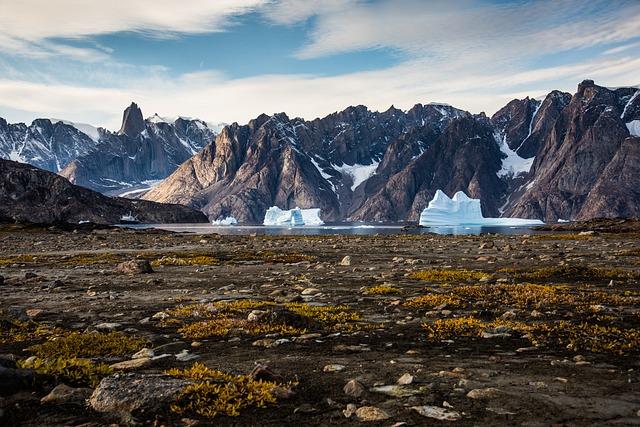
In light of the evolving geopolitical landscape and heightened strategic competition in the Arctic, the significance of Greenland has come into sharp focus for the United States and its allies. As a vast territory with rich natural resources and strategic military positioning, Greenland stands at the crossroads of U.S. and allied interests amid increasing assertiveness from global powers, particularly Russia and China. In an effort to address these dynamics, the Atlantic Council is advocating for a comprehensive strategy that prioritizes partnerships, sustainable development, and security collaboration in Greenland. This article will explore the key components of this proposed strategy, underscoring the importance of coordinated efforts among allies to enhance stability and uphold shared interests in the North Atlantic region.
US and Allies Must Strengthen Geostrategic Partnerships in Greenland
The strategic importance of Greenland is undeniable, especially as global powers vie for influence in the Arctic region. The potential for vast natural resources, including rare minerals and oil, combined with Greenland’s significant geolocation as a transatlantic bridge, underscores the necessity for the United States and its allies to enhance their partnerships with the autonomous territory. By fostering deeper collaboration, particularly in the realms of defense, economic development, and scientific research, Washington and its partners can effectively counterbalance the growing presence of adversarial nations such as Russia and China. Key objectives should include:
- Strengthening military collaborations to improve readiness and surveillance capabilities.
- Investing in infrastructure that supports both local communities and strategic military operations.
- Fostering economic partnerships that benefit Greenland’s economy while promoting sustainable practices.
- Enhancing scientific research initiatives focused on climate change and environmental stewardship.
To operationalize these goals, a structured approach is essential. This could involve forming a dedicated task force comprising representatives from the U.S., Denmark, and other ally nations to ensure a unified strategy. Elements of this partnership could include:
| Priority Area | Action Items | Expected Outcomes |
|---|---|---|
| Military Presence | Establish joint exercises and operations in Greenland | Improved defense readiness and deterrence |
| Economic Cooperation | Provide grants and investment in local enterprises | Enhanced economic resilience and job creation |
| Environmental Research | Collaborate on Arctic research initiatives | Better understanding of climate impacts |
Closing Remarks
As geopolitical tensions continue to reshape the dynamics of the Arctic, a cohesive strategy for Greenland emerges as not only beneficial but essential for the United States and its allies. The Atlantic Council’s exploration into this uncharted territory highlights the necessity of a coordinated response to the multifaceted challenges presented by climate change, resource competition, and strategic military positioning in the region. With Greenland’s vast natural resources and strategic location, the stakes are higher than ever. In navigating this complex landscape, collaboration among allies-backed by clear policy frameworks-will be pivotal in safeguarding shared interests and promoting regional stability. As the world watches closely, the time for action is now; the Arctic’s future hinges on the decisions made today.