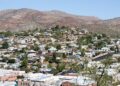
Suriname: A Closer Look at Population Trends and Dynamics
In the heart of South America lies Suriname, a small yet culturally rich nation known for its diverse ecosystems and vibrant heritage. As global populations continue to shift and evolve, the latest insights from the World Population Review shed light on Suriname’s demographic landscape, revealing trends that may affect everything from economic development to cultural preservation. With its population dynamics influenced by migration, urbanization, and birth rates, understanding the nuances of Suriname’s demographic profile is essential for policymakers, researchers, and residents alike. This article delves into the key findings, exploring how Suriname’s population trends compare on the global stage and what these trends mean for the country’s future.
Suriname’s Demographic Landscape: Analyzing Population Trends and Cultural Diversity
Suriname’s rich tapestry of demographics is as vibrant as its cultural traditions, reflecting a unique blend of ethnicities and backgrounds. The population is predominantly composed of a variety of groups such as Hindustani, Creole, Maroon, Javanese, and indigenous peoples. This diversity enhances not only the social fabric of the nation but also contributes to its cultural dynamism. As of the latest estimates, the total population hovers around 600,000, with a significant growth trend noted in urban areas, particularly in the capital city of Paramaribo, where immigrants and rural populations converge for better economic opportunities.
Key demographic statistics:
- Population Growth Rate: Approximately 1.3% annually
- Urban Population: Over 50% reside in urban areas
- Median Age: 29.1 years
| Ethnic Group | Percentage of Population |
|---|---|
| Hindustani | 27% |
| Creole | 21% |
| Maroon | 22% |
| Javanese | 15% |
| Indigenous | 3% |
This melding of cultural influences creates a rich environment where languages, traditions, and festivals intertwine, manifesting in celebrations like Divali, Carnival, and Trefy. Moreover, the legislative framework supports this cultural mosaic, with policies aimed at preserving the linguistic rights and cultural heritage of various groups. As Suriname continues to navigate the challenges of modernization and globalization, its demographic landscape remains a testament to its resilience and diversity.
Economic Implications of Population Growth: Addressing Challenges and Opportunities in Suriname
The rapid increase in Suriname’s population presents both significant challenges and opportunities for the nation’s economy. As the demographic landscape shifts, the government faces the critical task of ensuring that economic growth keeps pace with population expansion. Among the primary concerns are the pressures on infrastructure, healthcare, and education systems. A larger populace demands improved healthcare services to cater to rising health needs and educational reforms to equip the youth with the necessary skills for an evolving job market.
On the flip side, this population growth could serve as a catalyst for economic development if harnessed effectively. With a youthful demographic, Suriname has the potential to benefit from a dynamic workforce. Encouraging investments in sectors such as technology and renewable energy could lead to job creation and increased productivity. Additionally, the government may explore strategic partnerships with private industries to capitalize on the advantages of a burgeoning market. To address these realities, it is essential to develop integrated policies that foster sustainable growth while enhancing quality of life for all citizens.
| Economic Challenges | Potential Opportunities |
|---|---|
| Infrastructure strain | Youthful labor force |
| Healthcare demand | Investment in education |
| Environmental impact | Growth in tech sectors |
Strategies for Sustainable Development: Recommendations for a Thriving Future in Suriname
To ensure a thriving future in Suriname, a multifaceted approach to sustainable development is essential. Key strategies include promoting renewable energy initiatives, which can significantly reduce dependency on fossil fuels while creating sustainable job opportunities. Prioritizing agricultural innovation through sustainable practices will not only enhance food security but also support local farmers, making them less vulnerable to climate change impacts. Emphasis on reinforcing eco-tourism can capitalize on Suriname’s rich biodiversity, offering economic benefits while promoting conservation of natural resources.
In addition, enhancing public-private partnerships is critical for funding and implementing sustainable projects. Collaboration among government, businesses, and local communities can foster innovation and drive the adoption of green technologies. Furthermore, establishing educational programs focused on sustainability will empower future generations with the knowledge required to navigate environmental challenges. The creation of a Sustainable Development Advisory Board can help streamline efforts and ensure that initiatives align with Suriname’s unique ecological and cultural context.
To Conclude
In conclusion, Suriname, with its rich tapestry of cultures and diverse natural resources, remains a unique member of the global community. As we delve into the latest data from the World Population Review, it becomes clear that understanding its demographic trends is essential for addressing the nation’s future challenges and opportunities. With a population that continues to evolve amidst ongoing economic and environmental changes, Suriname stands at a crossroads that could define its trajectory in the decades to come. As stakeholders from government to civil society engage in shaping policies that affect the lives of its citizens, the insights provided by the World Population Review serve as a critical tool for fostering informed decision-making. Moving forward, the world will be watching as Suriname navigates its path towards sustainable development and social cohesion.