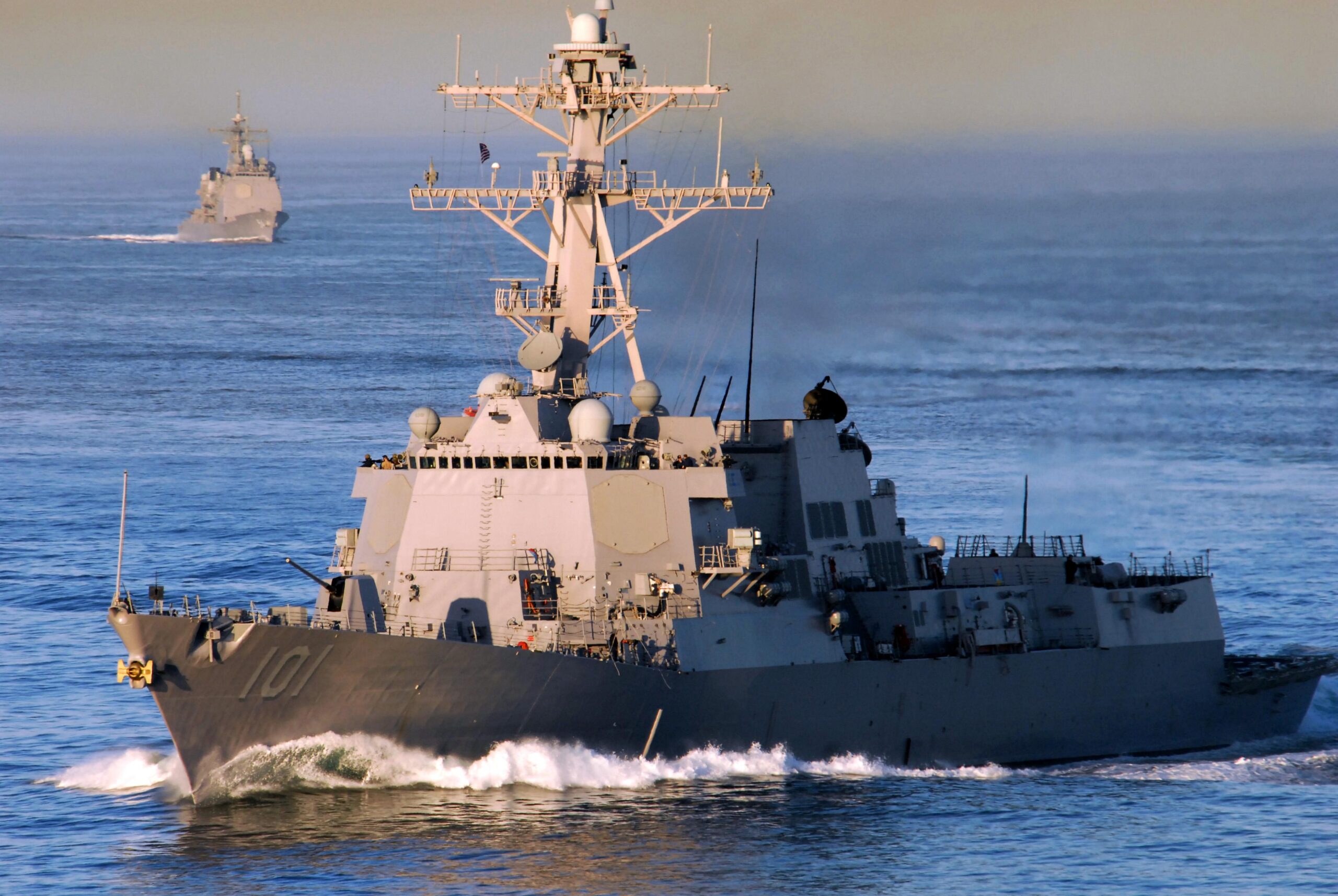
In a significant display of military presence, several U.S. destroyers have anchored off the coast of Venezuela, sparking a renewed focus on the geopolitical tensions in the region. The deployment of these naval vessels comes amid ongoing concerns over Venezuela’s political instability and its relationships within the broader Latin American landscape. With the U.S. and Venezuela historically at odds, this move underscores the American commitment to monitoring and influencing developments in a country that has long been at the center of regional conflict. As the situation unfolds, analysts are closely examining the implications for U.S.-Venezuela relations, potential responses from the Venezuelan government, and the broader ramifications for security in the Caribbean.
US Naval Strategy in Latin America: Implications of Destroyer Deployment Near Venezuela
The recent positioning of US destroyers off the coast of Venezuela signals a strategic maneuver in Washington’s approach to Latin America. This move reflects a multifaceted response to increasing tensions in the region, particularly as Venezuela faces persistent internal unrest and external pressures from neighboring countries. The deployment is aimed at reinforcing US naval presence, securing maritime interests, and sending a clear message regarding the US commitment to regional stability and security. Observers note that such actions may also be a deterrent against potential threats from hostile regional actors or any escalation of conflicts involving Venezuela.
Key implications of this deployment may include:
- Increased Tensions: The presence of naval assets could heighten tensions with Maduro’s regime, prompting retaliatory responses or military posturing.
- Regional Dynamics: Neighboring countries may adjust their military strategies in response to the US actions, potentially shifting alliances or increasing their own military readiness.
- Humanitarian Considerations: As the US Navy operates in proximity to a country experiencing a humanitarian crisis, the potential for humanitarian missions or assistance could arise.
- Strategic Alliances: This deployment may also serve as a platform for strengthening military partnerships with regional allies who share concerns about Venezuela’s political and military developments.
| Potential Outcomes | Impacts |
|---|---|
| Heightened Military Engagement | Risk of conflict escalation |
| Geopolitical Realignment | Shift in regional alliances |
| Humanitarian Operations | Increased aid access |
| Intelligence Gathering | Improved situational awareness |
Regional Security Concerns: Assessing the Impact on Venezuela’s Naval Capabilities
Venezuela’s naval capabilities are under unprecedented scrutiny as regional security dynamics shift dramatically with the presence of U.S. Navy destroyers stationed off its coast. The deployment of these ships not only raises tensions but also exposes the vulnerabilities within Venezuela’s maritime defense. Key factors influencing this situation include:
- Geopolitical Tensions: Escalating conflicts in the region prompt Venezuela to reassess its naval strategies.
- Resource Allocation: Strained economic conditions limit investments in naval advancements and maintenance.
- International Partnerships: Venezuela’s reliance on allies for military support could be jeopardized by the U.S. presence.
As Caracas grapples with these challenges, the ramifications of this naval posturing may further complicate its regional aspirations. A closer examination of Venezuela’s naval assets reveals a fleet struggling to maintain operational readiness amid resource constraints. The following table outlines critical components of the Venezuelan Navy’s current capabilities:
| Asset Type | Quantity | Condition |
|---|---|---|
| Corvettes | 5 | Poor |
| Frigates | 3 | Fair |
| Submarines | 2 | Operational |
These factors underscore the urgent need for Venezuela to prioritize revitalizing its naval forces to counter ongoing threats while navigating complex waters of diplomacy and defense in the region.
Diplomatic Repercussions: Recommendations for Engaging Venezuela Amid Rising Tensions
Engaging Venezuela amidst rising tensions requires a multifaceted approach that balances diplomatic dialogue with strategic partnership. The United States must prioritize open channels of communication with Caracas, seeking to address mutual concerns while respecting the sovereignty of the nation. Such engagement could focus on areas of common interest, including economic cooperation and regional stability. It is essential for U.S. diplomats to emphasize constructive dialogue rather than confrontation, which might exacerbate existing tensions. Practical measures could include:
- Establishing a framework for bilateral talks on economic issues.
- Involving Venezuela in regional security discussions to foster a sense of inclusion.
- Promoting people-to-people exchanges to rebuild trust and understanding.
Moreover, leveraging multilateral organizations can play a critical role in mitigating potential conflicts. By working through entities like the Organization of American States (OAS) or the United Nations, a broader coalition can be formed to approach the situation with a unified stance. This can pave the way for a peaceful resolution to ongoing disputes and ensure that regional actors collaborate effectively. A possible framework for engagement could look like the following:
| Action Item | Responsible Entity | Target Date |
|---|---|---|
| Initiate diplomatic talks | U.S. State Department | Q1 2024 |
| Host regional security summit | OAS | Q2 2024 |
| Launch cultural exchange programs | U.S. Embassy | Q3 2024 |
In Retrospect
As tensions continue to rise in the geopolitical landscape of Latin America, the anchoring of US destroyers off the coast of Venezuela underscores the complex interplay of military presence and diplomatic maneuvering in the region. While the implications of this naval deployment remain to be fully understood, it serves as a stark reminder of the ongoing challenges facing Venezuela amid its political and economic crises. Analysts suggest that the move could signal the United States’ commitment to countering influence in the area, particularly from nations like Russia and China, which have bolstered their ties with Caracas. As the situation evolves, the international community will be closely monitoring developments that could impact regional stability. In an era marked by shifting alliances and power dynamics, the events off Venezuela’s shores will undoubtedly continue to shape the narrative of US-Latin America relations in the months to come.