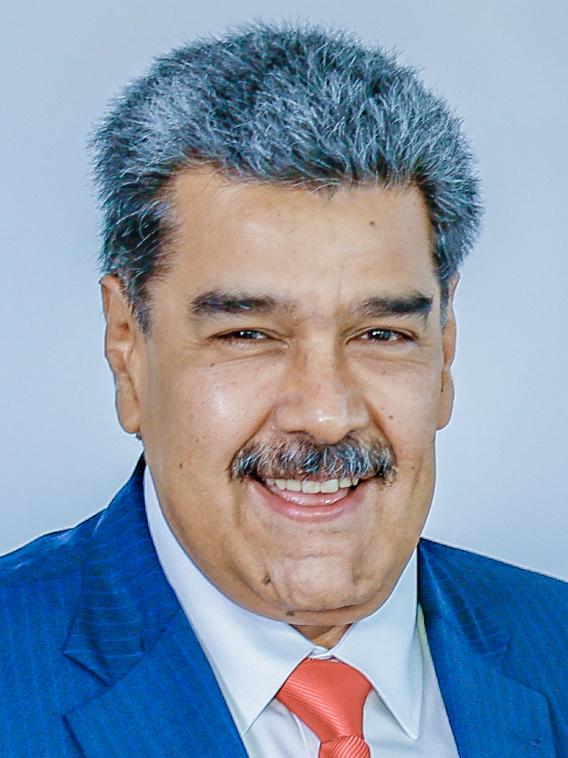
In a dramatic escalation of tensions between the United States and Venezuela, the U.S. government has announced a groundbreaking reward of $25 million for information leading to the arrest of Venezuelan President Nicolás Maduro. This unprecedented move reflects the Biden administration’s intensified efforts to hold Maduro accountable for a range of human rights abuses and alleged drug trafficking activities. With Venezuela grappling with an ongoing humanitarian crisis and increasing political turmoil, this announcement underscores not only the deteriorating relationship between Washington and Caracas but also highlights the U.S.’s commitment to combating what it describes as a corrupt regime that undermines democracy in the region. As international reactions unfold, the implications of this reward could reverberate through Venezuela’s already fragile political landscape.
US Government Offers Substantial Reward in Hunt for Nicolás Maduro
The United States government has taken a bold step in its ongoing efforts to bring Nicolás Maduro to justice by announcing a substantial $25 million reward for information leading to his arrest. This move highlights the U.S. administration’s commitment to addressing the crisis in Venezuela, as Maduro’s regime has faced widespread criticism for its handling of economic collapse and human rights violations. U.S. authorities have charged Maduro with serious offenses, including drug trafficking and corruption, portraying him as a key player in a scheme that allegedly floods the U.S. with cocaine.
In addition to the monetary incentive, U.S. officials have emphasized the critical role that global cooperation plays in tackling the issues stemming from Venezuela’s leadership. Many are concerned about the implications of this unprecedented bounty, given the historical context of U.S.-Venezuela relations. Key aspects of this initiative include:
- Increased international pressure on Maduro’s government.
- Potential for diplomatic engagement with other nations.
- Support for Venezuelan opposition groups seeking change.
| Key Charges Against Maduro | Status |
|---|---|
| Drug Trafficking | Pending |
| Corruption | Pending |
| Human Rights Violations | Under Investigation |
Implications of the Reward on US-Venezuela Relations and Regional Stability
The announcement of a $25 million reward for the capture of Nicolás Maduro by the United States underscores a significant shift in U.S.-Venezuela relations, potentially exacerbating tensions between the two nations. This action signals a clear commitment from Washington to hold Maduro accountable for accusations ranging from drug trafficking to human rights violations. The U.S. government hopes that this financial incentive will lead to actionable intelligence on Maduro’s whereabouts, thereby pressuring Venezuelan officials to reconsider their allegiance to the controversial leader. This move could further delegitimize Maduro in the eyes of the international community and bolster the U.S. narrative of supporting democratic forces in Venezuela.
Regionally, the implications are equally profound. Neighboring countries may see this reward as an alarming precedent, raising concerns over U.S. interventionism. In light of the ongoing humanitarian crisis in Venezuela, bordering nations might be forced to reevaluate their diplomatic and economic ties with both the U.S. and Venezuela. Potential effects on regional stability include:
- Increased refugee flows from Venezuela into neighboring countries, straining resources and public services.
- Heightened geopolitical tensions as countries align more closely with either the U.S. or rogue states.
- Infusion of resources into Venezuela from allies attempting to bolster Maduro’s regime.
- Potential for violence as factions within Venezuela react to intensified U.S. pressure.
To provide a clearer context regarding potential alliances and oppositions, the following table outlines the positioning of key regional players:
| Country | Stance on Maduro | Potential Response to U.S. Actions |
|---|---|---|
| Colombia | Opposition | Support for U.S. initiatives |
| Brazil | Critical | Increased diplomatic pressure |
| Cuba | Supportive | Strengthening ties with Venezuela |
| Mexico | Neutral | Promote dialogue and diplomacy |
The complexity of U.S.-Venezuela relations, paired with the surrounding geopolitical landscape, suggests that the announced reward may have repercussions that extend far beyond the realm of international justice, potentially Altering regional dynamics and affecting the lives of millions both within and outside Venezuela. As the U.S. increases its pressure tactics, the response from various regional players will be critical in determining the trajectory of the crisis.
The implications of the U.S. reward and tactics can create a ripple effect, influencing not only the political landscape of Venezuela but also the broader movement of alliances and enmities in Latin America. Countries that have historically supported or opposed Maduro may feel compelled to reassess their positions based upon both domestic considerations and perceived threats from U.S. interventionism.
Additionally, the humanitarian crisis in Venezuela, which has already resulted in millions of refugees, may be exacerbated by increased U.S. actions. Neighboring countries could experience a rising influx of Venezuelans seeking refuge, challenging their capacity to respond to the humanitarian needs of those displaced.
The situation remains fluid, with the potential for unexpected repercussions unfolding as both the United States and involved regional players navigate a complicated web of diplomacy, strategy, and humanitarian concerns. The balance between enforcing accountability for Maduro and managing the regional stability will be a delicate one fraught with complications and challenges that require careful diplomatic engagement. The true test, however, will lie in how the international community collectively addresses the underlying issues plaguing Venezuela, framing the necessary approaches that prioritize humanitarian support, while also seeking to hold those in power accountable.
Strategies for Enhancing Cooperation in the Pursuit of Justice Against Maduro
In light of the recent announcement of a $25 million reward for the arrest of Nicolás Maduro, it has become imperative for international actors to bolster their collaborative efforts aimed at achieving accountability for the numerous human rights violations and corruption linked to his regime. Enhanced cooperation can be fostered through *multilateral coalitions* that unite various countries, organizations, and civil society groups dedicated to justice. These alliances could prioritize:
- Information Sharing: Establishing secure platforms for intelligence and evidence exchange among nations.
- Joint Investigations: Facilitating cross-border inquiries into the illicit activities attributed to Maduro’s administration.
- Legal Framework Coordination: Harmonizing legal standards and procedures to expedite extradition and prosecution processes.
Moreover, engaging regional actors in Latin America can amplify the pressure on Maduro’s government. Diplomatic initiatives should focus on *enlisting support from neighboring countries* while emphasizing the shared interest in restoring stability and democracy in Venezuela. Practical steps that can be taken include:
- Economic Sanctions: Coordinated embargoes on Venezuelan state-owned enterprises to curb funds flowing into Maduro’s regime.
- Support for Venezuelan Exiles: Offering asylum and legal assistance to whistleblowers and former officials willing to testify against corruption.
- Public Awareness Campaigns: Mobilizing international media to highlight the humanitarian crisis and human rights abuses, thus galvanizing public support worldwide.
Future Outlook
In light of the significant announcement regarding the $25 million reward for the arrest of Nicolás Maduro, the U.S. government aims to intensify pressure on the Venezuelan regime amid ongoing political turmoil and humanitarian crises within the country. Analysts suggest that this move underlines a broader strategy to hold accountable those accused of corruption and human rights violations. As the situation in Venezuela remains precarious, the international community watches closely, as the ramifications of this development could have profound implications for regional stability and U.S.-Latin American relations. The unfolding events will warrant close scrutiny as global stakeholders navigate the complex landscape surrounding Maduro’s regime.