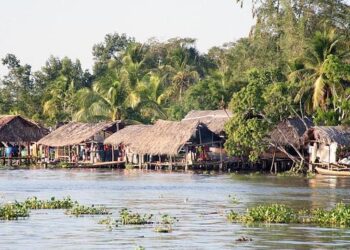
In response to escalating regional tensions and shifting geopolitical dynamics, the United States has reinvigorated its jungle warfare training programs in Panama. This strategic move not only underscores the U.S. commitment to maintaining its military readiness in varied environments but also reflects heightened concerns over security threats in Central America and beyond. The revival of these specialized training exercises, which were a hallmark of U.S. military operations during the late 20th century, aims to equip soldiers with the skills necessary to navigate and conduct operations in the challenging terrains of tropical warfare. As the U.S. military undertakes this initiative, it signals a renewed focus on enhancing collaboration with regional partners amidst a backdrop of increasing instability and potential conflict in the region.
Revitalizing Jungle Warfare Tactics in Panama to Strengthen Military Readiness
The recent decision to enhance jungle warfare training in Panama marks a strategic shift aimed at bolstering military readiness in response to escalating regional tensions. This initiative, stemming from ongoing geopolitical conflicts, emphasizes the necessity of adapting to diverse combat environments, particularly the unique challenges posed by thick, tropical jungles. With lessons learned from historical engagements, U.S. military leaders are looking to not only refine combat techniques but also to develop a deeper understanding of local ecosystems and the indigenous practices that have thrived in these environments for generations. The revival of such training underscores a commitment to preparedness and adaptability in an increasingly unpredictable global landscape.
The training program will incorporate a variety of elements to create a comprehensive jungle warfare curriculum. Key components include:
- Survival Skills: Teaching soldiers essential survival techniques in challenging terrains.
- Stealth Operations: Emphasizing movement and logistics without detection to improve tactical advantage.
- Local Knowledge: Engaging with local communities to learn navigation and resource use in tropical settings.
- Joint Exercises: Collaborating with allied forces to enhance interoperability and mutual aid in crises.
| Training Focus | Objective |
|---|---|
| Camouflage Techniques | Improve the ability to blend into natural surroundings. |
| Hand-to-Hand Combat | Prepare for close-quarters engagements typical in jungle settings. |
| Environmental Awareness | Foster respect and knowledge of local wildlife and ecosystem. |
Assessing the Strategic Implications of Increased US Military Presence in Latin America
The renewed military presence of the United States in Latin America, particularly through the reintroduction of jungle warfare training in Panama, underscores a significant shift in the strategic landscape of the region. This resurgence has sparked numerous discussions surrounding its implications on regional security, diplomacy, and potential responses from neighboring nations. The move appears to be aimed at countering influences from adversarial states that threaten stability and US interests, while also fostering better readiness among American forces to operate in uniquely challenging environments characteristic of Latin American jungles.
As the US enhances its military footprint, it becomes imperative to consider the following implications:
- Strengthening Alliances: The training programs may solidify partnerships with countries that share a vested interest in maintaining stability.
- Regional Reactions: Neighboring countries may perceive the increased military activities as a direct threat, potentially leading to heightened tensions.
- Influence in Global Politics: A robust US presence could deter rising powers in the region, especially those backed by adversarial nations.
The evolving dynamics in Latin America are likely to be monitored closely, as leaders weigh the potential for collaboration against the backdrop of increased military engagement. As regional players navigate these changes, their responses will shape the future geopolitical landscape.
Building Regional Alliances: Enhancing Cooperation Amid Growing Geopolitical Challenges
In light of escalating geopolitical tensions across Latin America, the United States has reintroduced jungle warfare training in Panama, a move indicative of broader efforts to bolster military cooperation within the region. This training program, which emphasizes guerrilla tactics and survival skills, aims to equip Latin American forces with the necessary tools to navigate complex terrains and threats. Analysts suggest that this revival comes as countries face increasing challenges from narcotraffickers, guerrilla movements, and instability in neighboring regions, making it crucial for allies to prepare collaboratively.
This initiative signals a renewed commitment to strengthening partnerships amid the backdrop of potential rivalries and power shifts. As nations grapple with the implications of external influence, the emphasis on military readiness serves as a foundation for developing regional alliances. The training sessions not only enhance military capabilities but also foster communication and trust among participating countries, paving the way for collective security efforts. Key aspects of this cooperation include:
- Joint Exercises: Encouraging interoperability among armed forces.
- Intelligence Sharing: Enhancing situational awareness across borders.
- Humanitarian Operations: Building capacity for disaster response and crisis management.
The Conclusion
In conclusion, the revival of jungle warfare training by the U.S. military in Panama underscores the country’s ongoing commitment to prepare for diverse combat scenarios amid rising regional tensions in Central and South America. As geopolitical dynamics continue to shift, the reestablishment of this training program reflects not only strategic military interests but also a deepening engagement with regional partners to foster stability and enhance security collaboration. As the U.S. navigates its role in these complex landscapes, the implications of such military exercises will likely resonate beyond Panama, influencing both local and broader international relations. Continued monitoring of this situation will be crucial as it unfolds in the coming months.