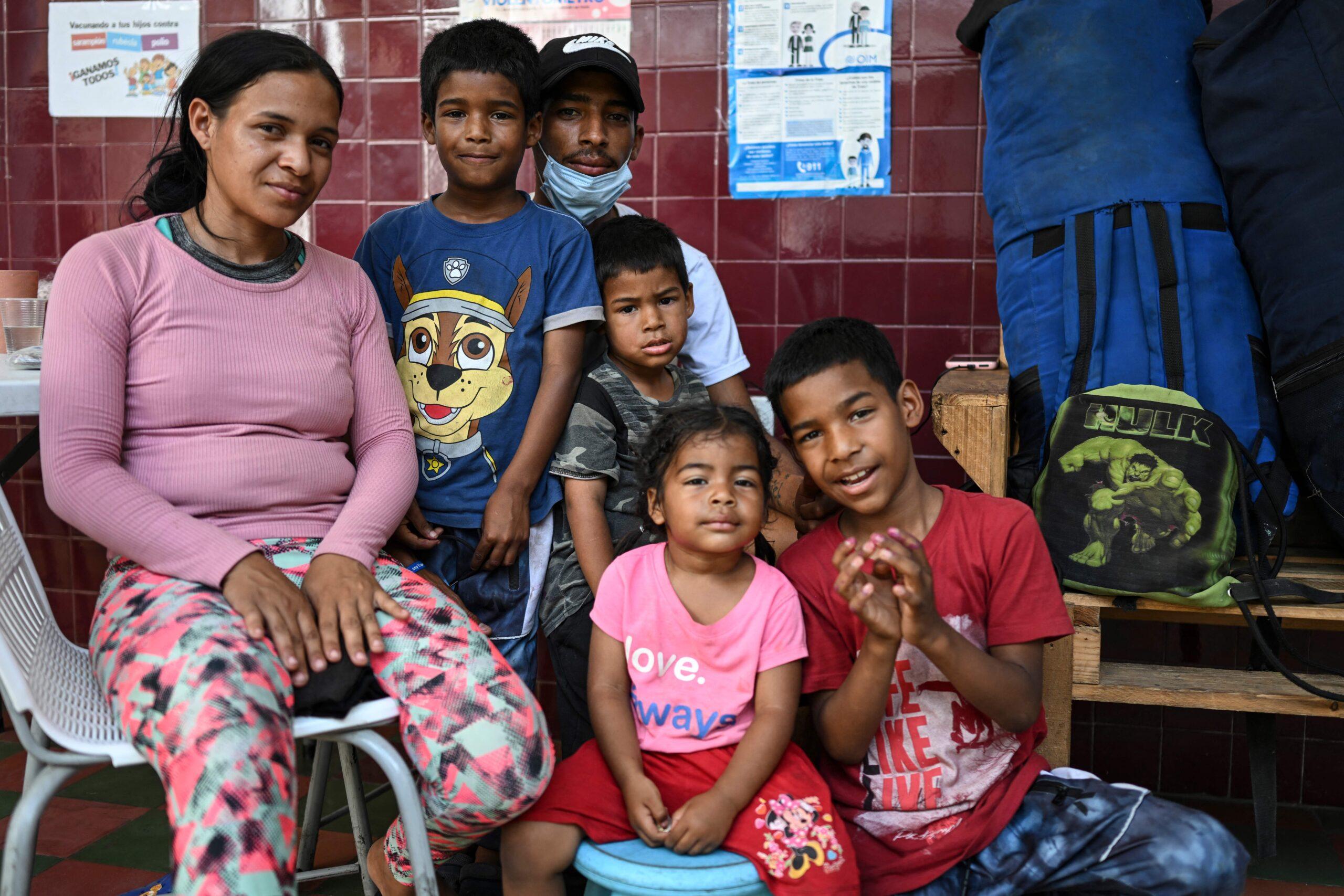
In a significant development within the realm of international diplomacy, the United States has brokered a prisoner swap that has garnered attention from both political analysts and humanitarian advocates. The exchange, which saw the US government trade Venezuelans detained in El Salvador for a group of political prisoners held by the regime of President Nicolás Maduro, underscores the complexities of relationships between nations grappling with authoritarianism and human rights violations. This deal not only reflects ongoing efforts to engage with Venezuela amid a tense geopolitical climate but also highlights the broader implications for US foreign policy in Latin America. As both countries navigate this complicated landscape, the impact of such negotiations on the lives of individuals caught in political strife raises critical questions about justice, accountability, and the future of diplomatic relations in the region.
US Engages in Controversial Swap of Venezuelan Nationals for Political Prisoners
The recent exchange, which saw the United States engage in a controversial deal with the Maduro regime, has stirred significant debate among political analysts and human rights advocates. In the swap, a number of Venezuelan nationals detained in El Salvador were released in return for political prisoners held by the Venezuelan government. This unexpected move has raised questions about the implications for U.S. foreign policy and its relationship with both Venezuela and El Salvador. Observers note that while such transactions may help secure the freedom of individuals, they risk bolstering authoritarian regimes by offering them leverage on the international stage.
Critics argue that the swap sends a problematic message, potentially undermining efforts to hold the Venezuelan government accountable for its human rights violations. Key points of concern include:
- Legitimization of Maduro: The deal may inadvertently legitimize Maduro’s government in the eyes of international observers.
- Risk of Precedent: The exchange could set a dangerous precedent for future negotiations with authoritarian regimes.
- Impacts on Negotiations: This move might affect ongoing diplomatic efforts aimed at transition to democracy in Venezuela.
As tensions continue in the region, the effects of this swap may resonate beyond the immediate release of individuals. Stakeholders from various sectors are now analyzing the geopolitical ramifications and what this means for future U.S. involvement in similar situations. The long-term consequences of engaging with such governments remain to be seen, as the balance of power in the region becomes more complex.
Analyzing the Implications of US-Venezuela Negotiations on Regional Stability
The recent negotiations between the United States and Venezuela surrounding the exchange of Venezuelan nationals held in El Salvador for political prisoners signal a potential shift in regional dynamics. While the immediate humanitarian concerns and the release of political prisoners are important, the broader implications raise questions about the influence and strategy of both Washington and Caracas in Latin America. As the U.S. seeks to increase its presence and leverage in the region, it must navigate the complexities of longstanding tensions and local political landscapes. The outcomes of these exchanges might not only reshape bilateral relations but also affect regional alliances and power structures.
Furthermore, this deal could set a precedent for future engagements and negotiations, as both nations may find common ground in pragmatism over ideology. Several key factors emerge from this development:
- Increased Diplomatic Interactions: Potentially paving the way for more negotiations on pressing issues including economic sanctions and trade relations.
- Impact on Regional Players: Countries like Colombia and Brazil could be compelled to reassess their foreign policies in light of U.S. actions.
- Domestic Reactions: Both the U.S. and Venezuelan governments will face scrutiny from their citizens regarding the implications of such deals.
Recommendations for Future Diplomatic Strategies in Latin America
The recent exchange of Venezuelans held in El Salvador for political prisoners underscores a pivotal opportunity for transforming diplomatic strategies in the region. Building sustained dialogue with Latin American nations, particularly those with contentious political landscapes like Venezuela, is essential. This means prioritizing multilateral negotiations through organizations such as the OAS (Organization of American States) and the UN, enhancing collaborative efforts that include diverse stakeholders-from local civil societies to regional powers. Additionally, leveraging economic incentives could facilitate deeper engagement, encouraging countries to embrace democratic reforms while addressing humanitarian issues more effectively.
Furthermore, the U.S. should focus on establishing trust-based relationships with Latin American leaders by promoting strategic economic partnerships and cultural exchange programs. Another essential strategy is to prioritize human rights advocacy while ensuring that these efforts are not perceived as interventionist. The incorporation of local perspectives in U.S. diplomatic initiatives can be vital; thus, avenues for grassroots involvement should be cultivated. By implementing a dynamic framework that recognizes and respects the sovereignty of Latin American nations, the U.S. can relieve tensions while influencing positive political discourse that ultimately benefits regional stability.
In Conclusion
In conclusion, the recent swap between the United States and Venezuela marks a significant moment in diplomatic relations between the two nations, highlighting the complexities of international negotiation and the ongoing human rights issues in the region. This exchange, which brings relief to Venezuelans detained in El Salvador while facilitating the release of political prisoners in Venezuela, underscores the delicate balance of power and the potential for dialogue despite longstanding tensions. As both countries navigate this intricate landscape, the implications of this deal will likely reverberate through future interactions, influencing not only bilateral relations but also the broader geopolitical climate in Latin America. As the situation continues to evolve, stakeholders will be watching closely for further developments that may impact both countries and their citizens.