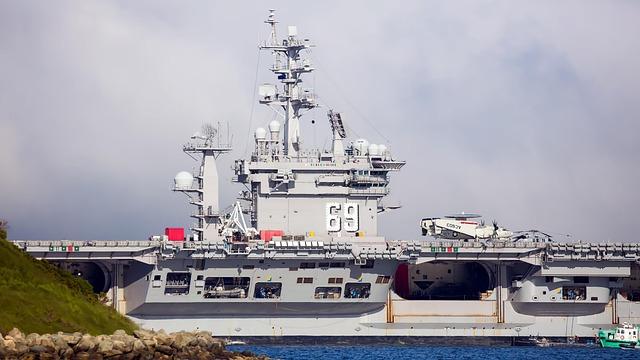
In a significant move amid escalating tensions in the Caribbean, a United States warship has docked in Trinidad and Tobago, underscoring the growing concerns surrounding Venezuela’s political and economic instability. The arrival of the USS Fort Lauderdale on Wednesday marks a pivotal moment in regional security dynamics, as both the U.S. and its allies closely monitor developments in the neighboring nation. With diplomatic relations between Washington and Caracas deteriorating, this naval visit raises questions about the implications for local and regional stability, as well as the potential for increased military collaboration between the United States and its partners in the region. As the geopolitical landscape continues to shift, experts weigh in on the significance of this military presence in a context fraught with uncertainty.
US Naval Presence in the Caribbean Heightens Security Concerns
The recent docking of a US warship in Trinidad and Tobago has drawn significant attention and raised alarms about the evolving security landscape in the Caribbean region. As tensions with Venezuela escalate, the increased naval presence reflects an ongoing commitment by the United States to bolster maritime security and maintain regional stability. Local authorities and residents are closely monitoring these developments, as the implications of heightened military activity could have profound effects on diplomatic relations and economic partnerships within the area.
Analysts suggest that the American military’s enhanced visibility in the waters surrounding Venezuela could be a tactical maneuver aimed at deterring potential hostilities. Key factors contributing to the shifting dynamics include:
- Increased Naval Operations: Routine patrols and exercises in response to regional threats.
- Partnerships and Alliances: Strengthening ties with Caribbean nations to address shared concerns.
- Venezuelan Instability: Ongoing political unrest and economic decline prompting an external influence.
As the geopolitical climate evolves, the interaction between US forces and local governance will be critical in shaping future military and diplomatic strategies. Both nations must navigate these complex waters carefully to avoid escalation and promote a peaceful resolution to rising tensions.
Assessment of Venezuela’s Military Posture and Regional Implications
Venezuela’s military posture has undergone significant transformation as the nation grapples with domestic challenges and increasing external pressures. The military, historically viewed as a bastion of regime support, has adapted to a dual role of traditional defense and internal security enforcement. This realignment is evidenced by a marked increase in military expenditures and the procurement of advanced weaponry, aimed particularly at countering perceived threats from neighboring countries and the United States. Key developments include:
- Increased military cooperation with Russia and China, which has resulted in joint military exercises and the provision of military hardware.
- Deployment of troops along border regions to deter incursions and demonstrate readiness amid escalating tensions.
- Focus on asymmetric warfare tactics, emphasizing guerrilla-style operations and cyber capabilities to mitigate resource limitations.
Furthermore, the implications of this posture ripple beyond Venezuela’s borders, affecting the geopolitical dynamics in the Caribbean and Latin America. The docking of a US warship in Trinidad and Tobago signals heightened concerns among regional players about Venezuela’s military activities, prompting neighboring countries to reassess their defense agreements and alliances. This shift may influence:
- Increased military aid and training from the US to Caribbean nations, focusing on counter-terrorism and securing maritime routes.
- Strengthened diplomatic efforts within multilateral organizations to address security concerns related to Venezuela.
- Potential for arms races as countries in the region seek to bolster their own military capabilities in response to Venezuela’s enhancements.
Strategies for Diplomatic Engagement Amid Rising Maritime Tensions
In light of the increasing maritime tensions in the region, particularly with Venezuela, the United States has adopted several diplomatic strategies aimed at easing frictions while ensuring the security of its interests in the Caribbean. These strategies emphasize the importance of multilateral dialogue and collaboration with regional allies. Efforts include:
- Strengthening partnerships with Caribbean nations to enhance collective security and political stability.
- Encouraging cooperative maritime exercises to promote regional harmony and effective crisis management.
- Utilizing back-channel communications to address misunderstandings and reduce the risk of escalation.
- Promoting economic aid and development programs that foster goodwill and mutual dependency among nations in the region.
Furthermore, a comprehensive approach towards conflict resolution involves leveraging international organizations to mediate discussions between the involved parties. Key actions include:
| Action | Description |
|---|---|
| Engagement with the OAS | Facilitate dialogue among member states to address maritime border disputes. |
| UN Involvement | Seek UN assistance for conflict resolution initiatives tailored to the Caribbean context. |
| Bilateral Agreements | Establish pacts focused on marine safety and environmental protections. |
Wrapping Up
In conclusion, the arrival of the US warship in Trinidad and Tobago highlights the heightened state of alert and the intricate geopolitics surrounding Venezuela. As tensions in the region continue to escalate, this move reflects the United States’ commitment to regional stability and its strategic interests in Latin America and the Caribbean. Both local and international observers will be closely watching how this development impacts diplomatic relations and security dynamics in the region. As the situation unfolds, the implications for Trinidad and Tobago, as well as for its neighbors, remain to be seen. Continued dialogue and engagement may prove crucial in addressing the underlying issues and fostering peace in a troubled region.